Skip to content

Plantar Fasciitis Treatment in Atlanta, Georgia

We provide personalized chiropractic care for heel pain and plantar fascia concerns. Free consultations help you discuss symptoms and care options before treatment.

Licensed & InsuredUpfront, Transparent PricingServing 52 CommunitiesMon-Fri: 9 am–7 pm, Sat-Sun: Closed
Plantar fasciitis treatment helps Atlanta patients address heel pain linked to the plantar fascia. We assess your symptoms, movement, and daily habits before building a care plan. Our approach may include chiropractic adjustments, soft tissue therapy, posture checks, and corrective exercises. Individual response differs, so we explain each step before care begins.

What heel pain care can change for daily movement

Your care plan connects heel symptoms with foot, ankle, and lower-leg movement.

Corrective exercises give you practical ways to support movement between appointments.

Soft tissue therapy may help address tight areas that add strain during walking or standing.

Personalized treatment keeps the plan focused on your symptoms and self-care goals.

What Plantar Fasciitis Treatment Covers?

Plantar fasciitis treatment is a non-invasive care approach that addresses pain and movement limits involving the plantar fascia.

  • This care differs from isolated pain relief because it evaluates movement, posture, soft tissue, and daily activity together.
  • Local patients can request this care through our Atlanta clinic during regular weekday hours.
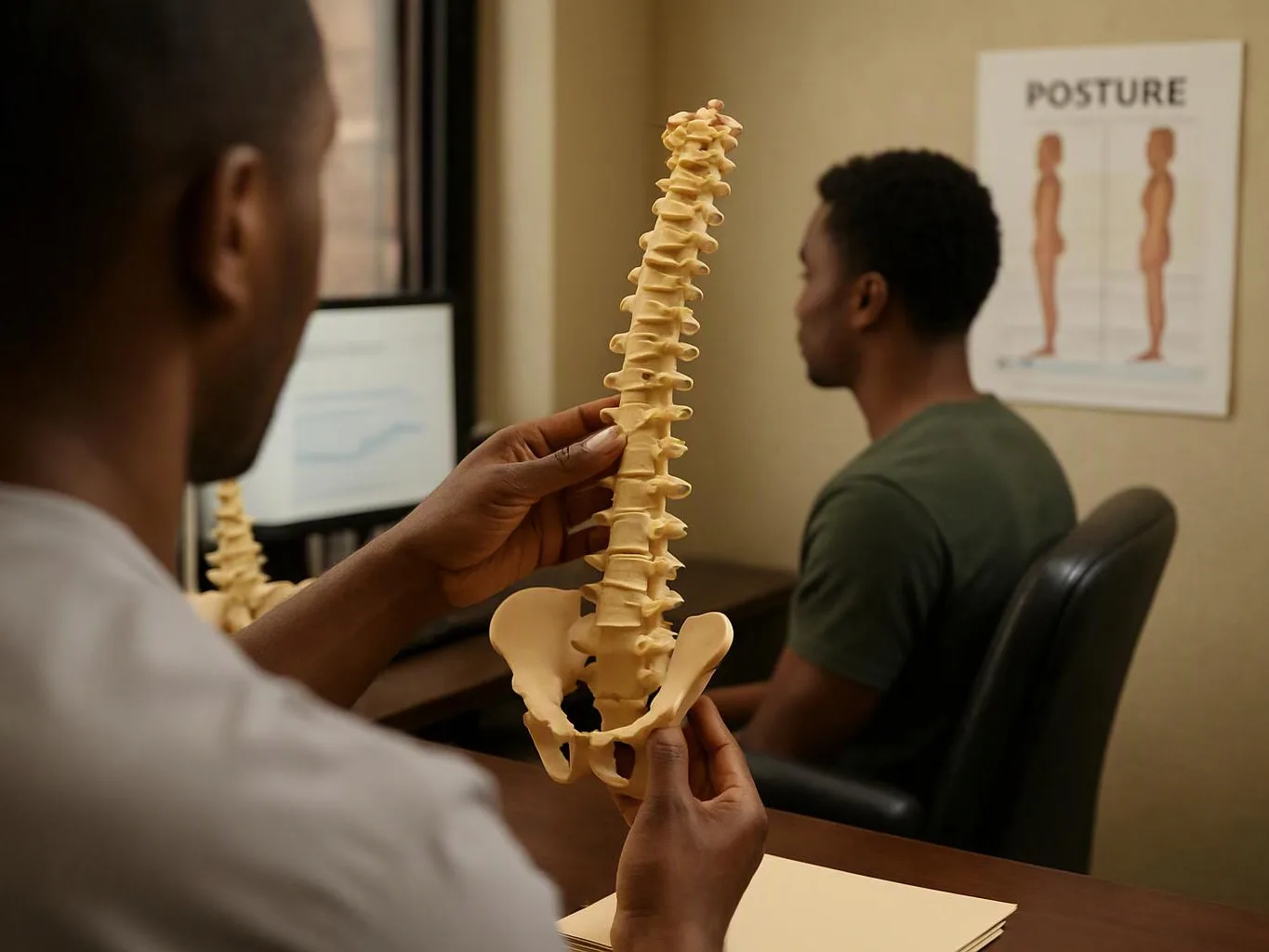
Two people sit at a table discussing a human anatomy model in a bright room
About

How heel pain care addresses plantar fascia strain

Plantar fasciitis treatment focuses on the tissues and movement patterns linked to heel pain. We start with a health history and exam, then review how your foot, ankle, and lower leg move. Care may include hands-on chiropractic techniques, soft tissue therapy, posture evaluation, and corrective exercises. Spinal care can support whole-body movement, but the plan stays centered on your foot symptoms and functional goals. The right plan depends on your findings. We explain care options clearly, discuss what you can do between visits, and adjust the plan as your response becomes clearer.

Process

Steps in a plantar fascia care visit

1

Discuss heel pain and activity

We review when pain began, where it appears, and which activities affect it. Your health history helps guide the exam.

2

Check foot and body movement

We assess posture, gait, foot motion, ankle movement, and related soft tissue. This helps us choose care that fits your findings.

3

Build the treatment plan

We explain suitable options, which may include chiropractic adjustments, soft tissue therapy, and corrective exercises.

4

Review self-care and follow-up

We discuss home exercises, activity changes, and signs to track. We also explain how progress re-examinations may guide future care.

What to prepare before heel pain care

Bring details that help us understand how your heel symptoms affect movement and daily life.

  • Bring your symptom history: Note when heel pain began, where it occurs, and what makes it better or worse.
  • Wear comfortable clothing: Choose clothing that allows posture, leg, ankle, and foot movement during the evaluation.
  • List your daily activities: Think about standing, walking, work tasks, exercise, and other activities that may affect your foot.
  • Bring current health information: Share relevant health details, past care, medicines, and imaging reports if they relate to your symptoms.

The Arrowhead Clinic Chiropractor Atlanta Standard

Personalized Care

We tailor heel pain care to each patient's symptoms, movement needs, health history, and daily activity.

Thorough Evaluations

We evaluate foot movement, posture, related joints, and symptom patterns before recommending care.

Clear Care Options

We explain adjustment, soft tissue, exercise, and self-care options before you choose a treatment plan.

Questions about heel pain treatment

Who provides plantar fasciitis treatment in Atlanta?

Arrowhead Clinic Chiropractor Atlanta provides plantar fasciitis treatment in Atlanta. We begin with a health history and movement evaluation, then explain suitable care options. Treatment may include chiropractic adjustments, soft tissue therapy, posture checks, and corrective exercises. Individual response differs, so we review your symptoms and goals before recommending a plan.

What happens during a first visit for heel pain?

A first visit includes a health history, symptom discussion, and movement evaluation. We review your foot, ankle, posture, and related musculoskeletal function.

  • We discuss when the pain began.
  • We check movement and posture.
  • We explain suitable care options.

The visit helps us build a plan around your needs.

What makes the cost of heel pain care change?

The cost depends on the evaluation needs, selected services, and care plan. A plan involving hands-on treatment, corrective exercises, or added assessment may differ from a simpler visit. We explain care options clearly and discuss pricing during the consultation. Our free consultation gives you a chance to ask questions before treatment.

Can chiropractic care help plantar fascia pain?

Chiropractic care may help some patients manage plantar fascia pain and movement limits. Our team evaluates the foot, ankle, posture, and related musculoskeletal areas before recommending care. Options may include adjustments, soft tissue therapy, and corrective exercises. Results vary, and we explain what each option is intended to address.

Should I see a chiropractor or a physical therapist for heel pain?

A chiropractor may fit patients seeking hands-on chiropractic care for heel pain and related movement concerns. Our evaluation helps determine whether adjustments, soft tissue therapy, or corrective exercises suit your needs. We focus on your symptoms and goals, then explain the care options we provide. Individual response differs from patient to patient.

Do I need an X-ray before plantar fascia care?

An X-ray is not automatically required before plantar fascia care. We first review your history and perform an examination, then consider imaging if it is clinically indicated. Bring any relevant reports to your visit. Our team explains why an assessment or added test may matter for your care plan.

Key Points About Plantar Fasciitis Treatment

  • Heel pain patterns help guide the evaluation.
  • Foot, ankle, posture, and lower-leg movement all matter.
  • Care may include adjustments, soft tissue therapy, and exercises.
  • Individual response differs, so plans need review.
  • A consultation lets you discuss options before treatment.
Contact

Discuss your heel pain care options in Atlanta

Is heel pain affecting your walking, standing, or exercise? Arrowhead Clinic Chiropractor Atlanta can discuss your symptoms and care options through a free consultation.

A spine model, foam roller, resistance band, tablet, and papers sit on a wooden table by a bright window
Scenarios

When Customers Call Us About Plantar Fasciitis Treatment

1

Heel Pain After Rest

Pain during your first steps after sitting or sleeping can make work and daily tasks harder. The location, pattern, and effect of walking matter during your assessment. We review your symptoms and movement, then explain care options that may include soft tissue therapy, adjustments, or corrective exercises. A consultation gives you a practical starting point.

2

Standing-Related Foot Strain

Long periods on your feet can increase heel discomfort and change how you walk. That change may affect your ankle, knee, hip, or back as well. We ask about your work and activity habits, check movement, and build care around your findings. Bring details about standing time and footwear to your visit.

3

Pain That Limits Exercise

Heel pain can make walking, training, or other exercise feel difficult. Your care needs to account for both the painful area and the movements you want to regain. We assess your foot and lower-leg function, then discuss exercises and hands-on care that fit your goals. Schedule a consultation to review your next step.


Our Other Services

Migraine TreatmentMigraine symptoms can disrupt work, family time, and normal routines. Our evaluation considers cervical tension and posture, with chiropractic adjustments and supportive exercises designed to ease musculoskeletal strain around migraine episodes.
Sports Injury TreatmentA sports injury can keep you away from training, competition, and favorite activities. We assess sprains, muscle strains, and joint restrictions, then support recovery with hands-on care and movement-focused exercises.
Herniated Disc TreatmentA herniated disc may cause back pain, leg symptoms, numbness, or limited movement. We evaluate spinal mechanics and nerve irritation, using decompression care and controlled exercises to support comfort without immediate surgery.
Knee Pain TreatmentKnee pain can make stairs, squats, and longer walks harder than they should be. We assess knee motion, hip support, and surrounding muscles, then plan care to improve stability and everyday comfort.
Hip Pain TreatmentHip pain may affect walking, sitting, getting up, or turning in bed. Care examines hip mobility, pelvic alignment, and nearby muscle tension, helping restore smoother movement through daily activities.
Shoulder Pain TreatmentShoulder pain can interfere with reaching overhead, dressing, or sleeping on one side. Our assessment considers rotator cuff strain, joint mobility, and upper-back mechanics before treatment begins.

The health and wellness information on this website is for general informational purposes only and is not medical advice. It does not create a provider-patient relationship. Always consult a qualified licensed provider in Atlanta, Georgia, United States about your specific condition before making care decisions. Individual results vary.

(770) 637-0564