What can make plantar fasciitis symptoms worse?
Unsupportive shoes can worsen plantar fasciitis symptoms by giving the foot too little support. Long standing, barefoot walking, and hard surfaces can add strain. We review these habits with your posture, gait, activity, and health history before discussing adjustments, exercises, or other care.
Which part of the job decides the care plan?
The assessment decides the care plan by linking your symptoms with posture, gait, joint motion, activity, and foot strain. We also review health history and daily demands. Those findings guide whether adjustments, soft tissue therapy, corrective exercises, or wellness guidance fit your needs.
Which material changes how long care takes?
No single material sets the length of care because plantar fasciitis symptoms involve more than the walking surface. Footwear materials, floor surfaces, activity demands, and tissue response all provide useful context. We discuss your symptoms and care needs during a consultation instead of assigning a fixed timeframe.
How does a visit move from the first call to the last step?
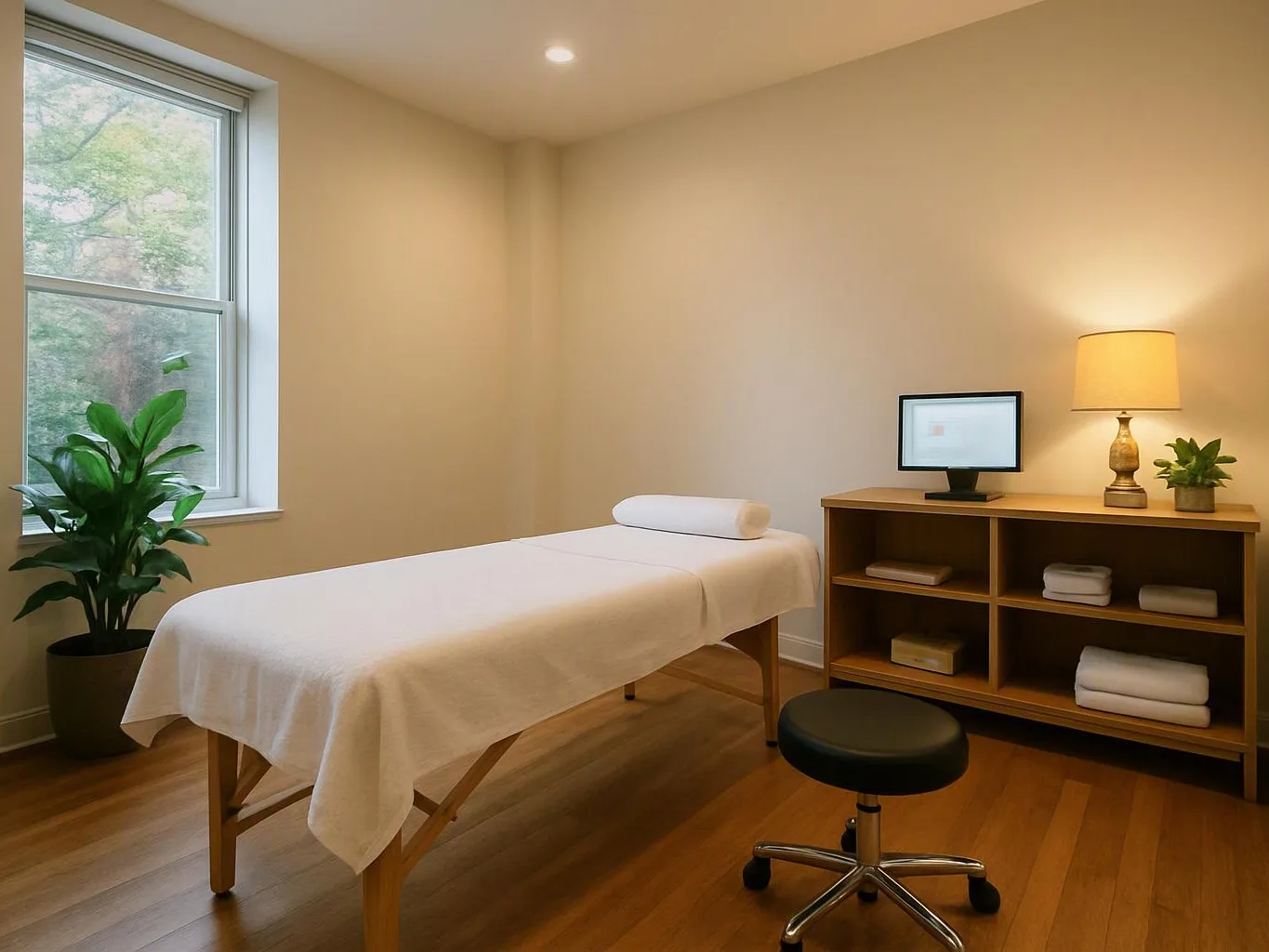
A plantar fasciitis visit moves from intake to assessment, explanation, treatment planning, and progress review. We discuss symptoms and health history first, then examine posture and movement. The care plan may include adjustments, soft tissue therapy, exercises, or wellness guidance, with follow-up based on your response.
What happens during a first chiropractic visit for foot pain?
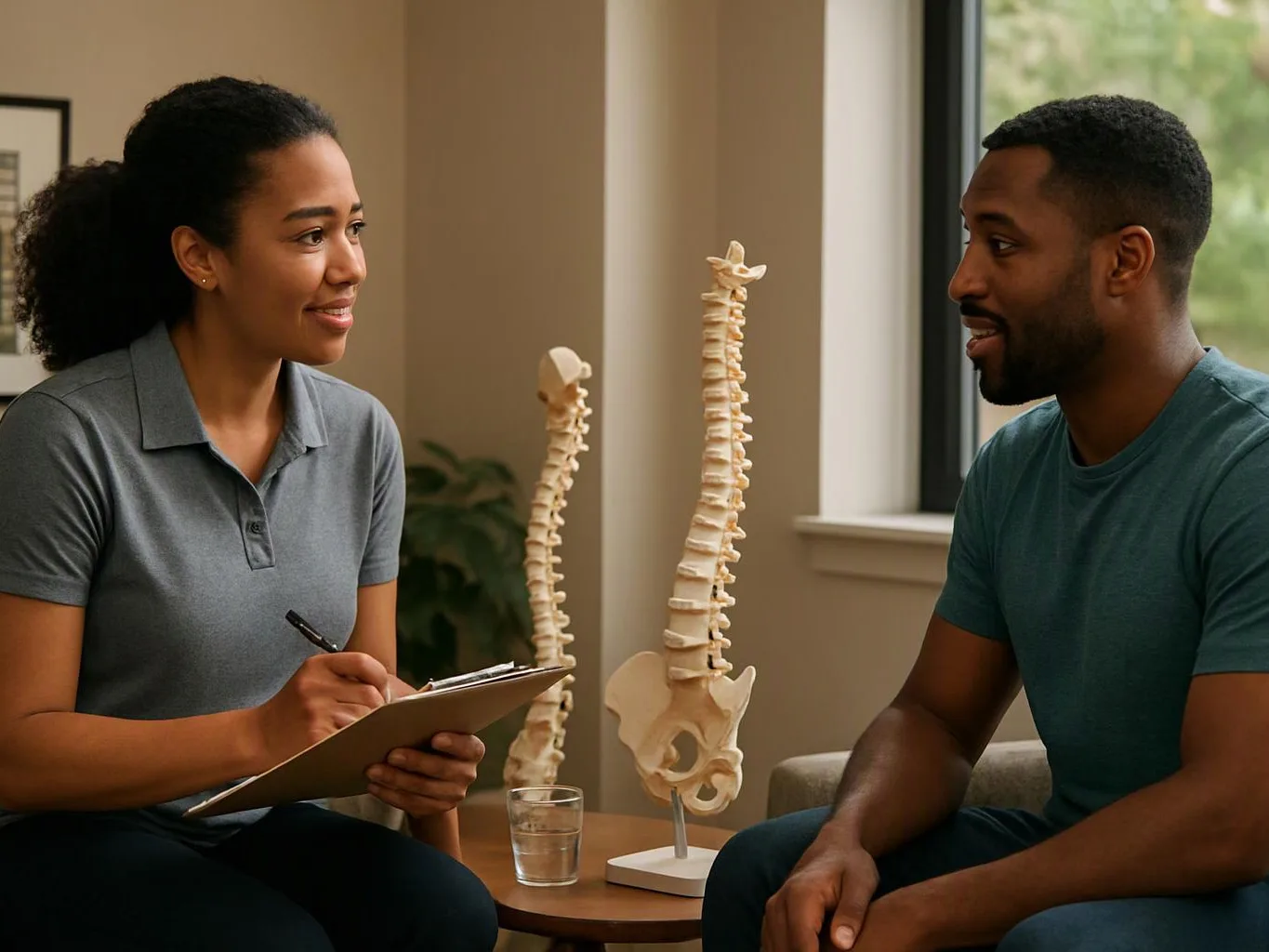
A first visit includes a new patient intake, health history, examination, and discussion of your goals. We assess movement and posture, explain the findings, and review suitable care options. X-rays are considered only if clinically indicated, and the plan is discussed before treatment begins.
Should I see a chiropractor or another clinician for heel pain?
A chiropractor may fit heel pain linked to movement, posture, joint motion, or musculoskeletal strain. We assess those factors and explain whether chiropractic care suits your symptoms. Severe, unusual, or worsening symptoms may require another medical evaluation, and we don't promise a result from treatment.
How do I prepare for a plantar fasciitis consultation?
Bring details about pain, activity, standing, walking, footwear, past injuries, and health history. Wear clothing that allows comfortable movement during the exam. These details help us connect your symptoms with posture, gait, joint motion, and daily habits.