What can make plantar fasciitis symptoms worse?
Unsupportive shoes can worsen plantar fasciitis symptoms by giving the foot less support during standing and walking. Long standing, barefoot walking, and hard surfaces may add strain as well. Our intake asks about these habits, then the exam checks posture and movement. That information helps us match care and exercises to your needs.
How is foot care matched to my needs before treatment starts?
A health history and movement exam guide the treatment plan before care starts. The visit reviews symptoms, posture, foot use, joint motion, and health goals. Our team then explains whether adjustments, soft tissue therapy, or corrective exercises fit the findings. You receive clear pre-treatment explanations before any recommended care.
What should I ask before agreeing to plantar fasciitis care?
Treatment goals, suggested methods, and follow-up needs are key questions to ask before care. Ask what the exam found, why a technique fits, and which daily habits may add strain. We explain the purpose of each recommendation, its place in your plan, and when another type of medical assessment may be more suitable.
Which condition changes the time needed for this foot care?
The condition that changes the care process is the patient’s symptom pattern and health history. Severe injury, swelling, numbness, or signs of another condition may require medical assessment first. The exam also considers movement limits, posture, and related joint concerns before we discuss suitable chiropractic care.
When should I seek care for recurring heel pain?
Recurring heel pain deserves an assessment when it affects walking, standing, or daily activity. A new patient intake helps identify patterns linked to footwear, hard surfaces, or movement habits. We also check whether the symptoms fit plantar fasciitis care or suggest another concern that needs medical attention.
Why do corrective exercises matter for plantar fasciitis?
Corrective exercises give patients active movements that support foot and lower-limb function. Exercises may address control, posture, or movement habits connected with heel strain. Our team chooses them after the exam, explains how they fit the plan, and reviews whether they remain suitable as your needs change.
What happens during a first chiropractic visit for heel pain?
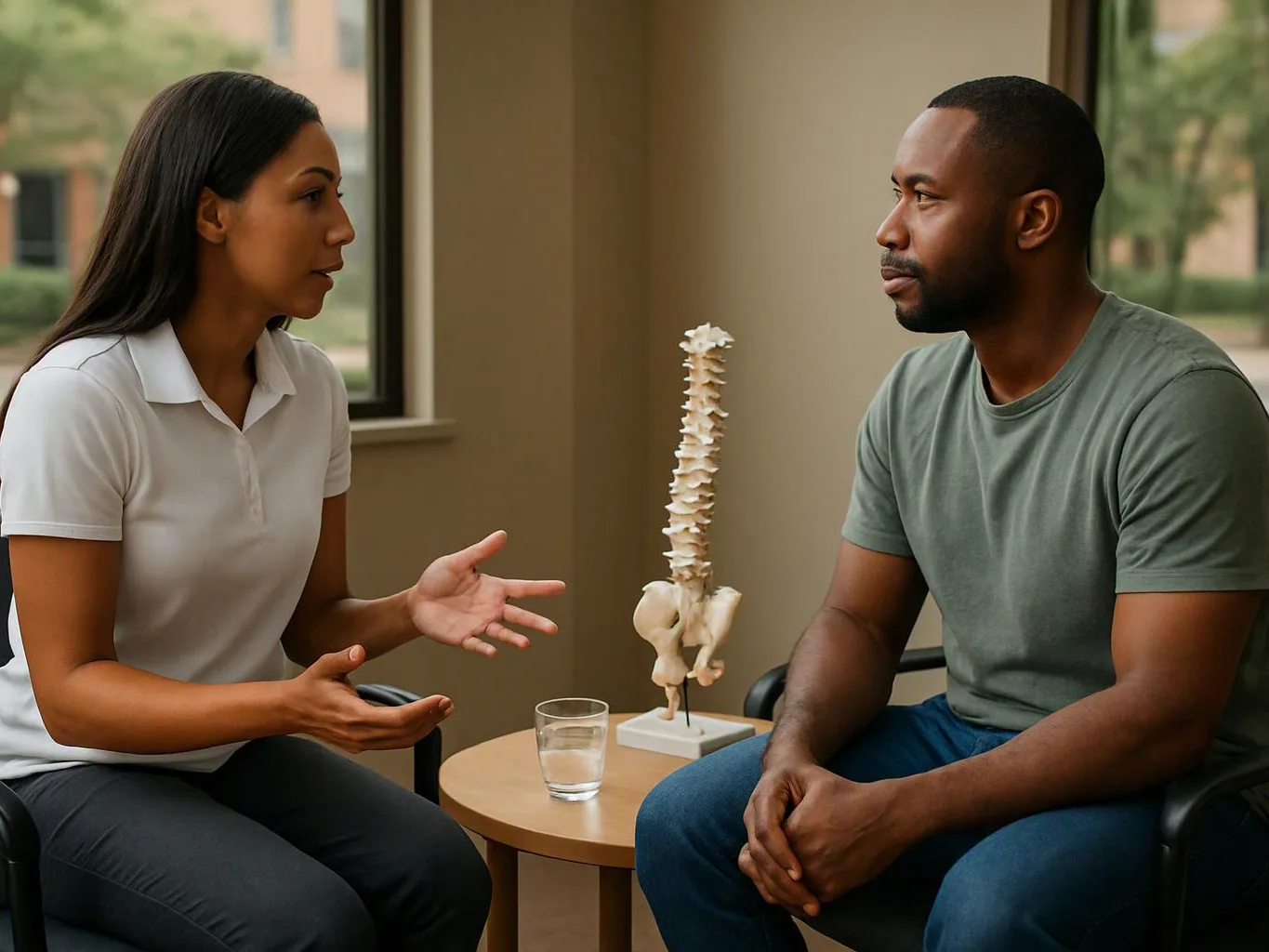
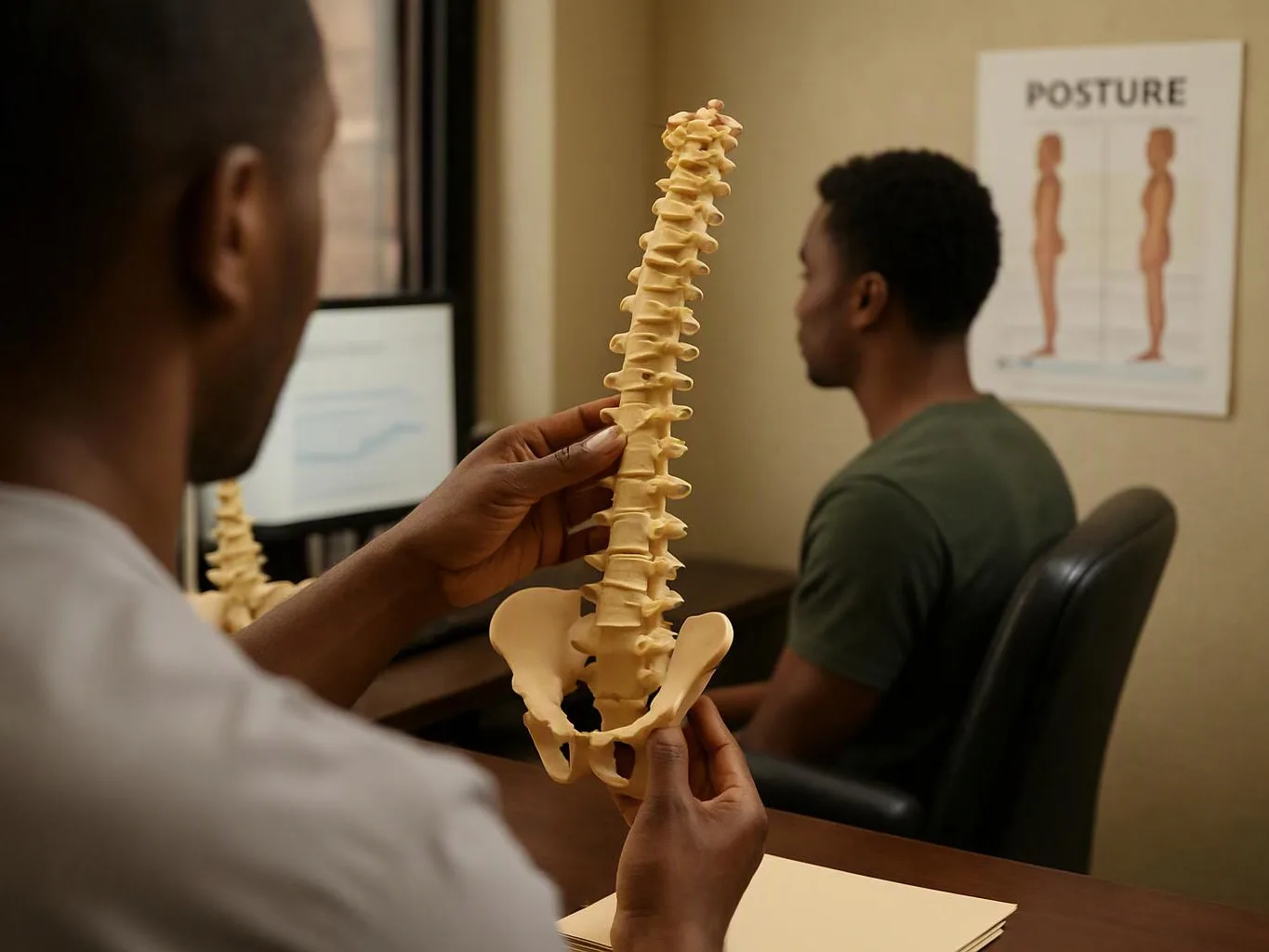
A first visit includes a new patient intake, health history, examination, and discussion of care options. The assessment reviews symptoms, posture, movement, and daily foot stress. We explain the findings and build a personalized treatment plan when the complaint fits chiropractic care.