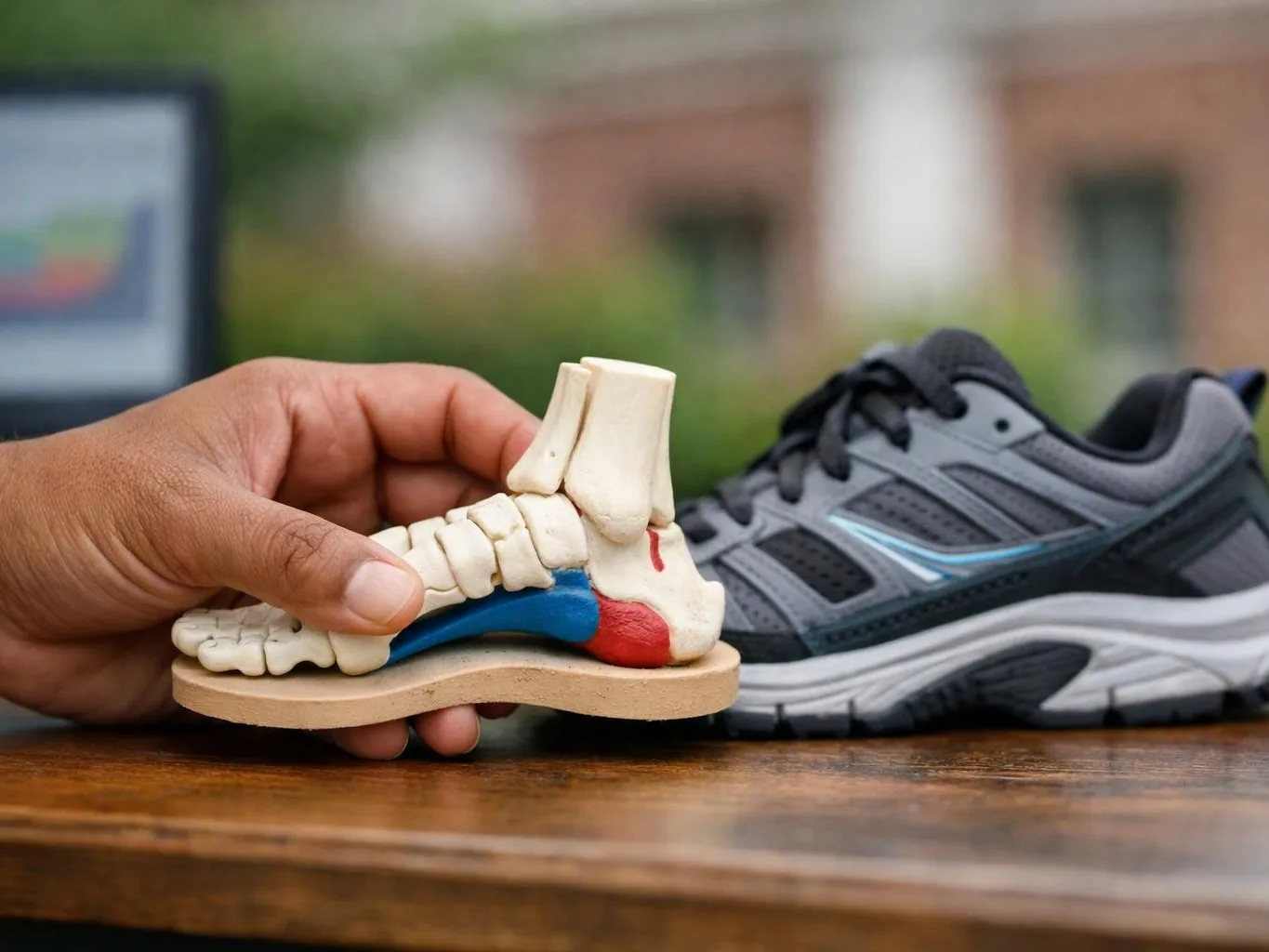
How is plantar fasciitis evaluated?
Gait assessment is the first movement check, and Arrowhead Clinic Chiropractor Atlanta pairs it with a foot examination. We review walking mechanics, heel tenderness, arch structure, health history, and activity demands. The findings guide a personalized treatment plan. We explain the assessment before treatment begins, so you can discuss whether chiropractic care fits your symptoms.
What should I ask before agreeing to treatment?
Treatment questions should cover the findings, proposed methods, expected care goals, and follow-up review. Ask how chiropractic adjustments, corrective exercises, or soft tissue therapy relate to your foot examination. You should also ask what symptoms fall outside chiropractic care. Clear answers help you make an informed choice.
Which foot condition changes the treatment plan?
Heel tenderness, arch structure, foot movement, and related injury concerns can change the treatment plan. The foot examination helps separate a movement concern from a problem that needs another type of evaluation. Tell our team about swelling, recent injury, numbness, or symptoms that feel unusual.
When should I seek care for recurring heel pain?
Recurring heel pain deserves an assessment when it affects walking, standing, work, or exercise. A consultation helps connect the symptom with foot mechanics and activity demands. Seek prompt medical attention for severe injury, sudden swelling, or symptoms that suggest a problem outside musculoskeletal care.
Why does arch structure matter during evaluation?
Arch structure matters because it influences how the foot supports each step. The examination considers the arch with heel tenderness, walking mechanics, and lower-body movement. Those findings help us decide whether corrective exercises, adjustments, soft tissue therapy, or another approach fits your needs.
What happens during a first chiropractic visit?
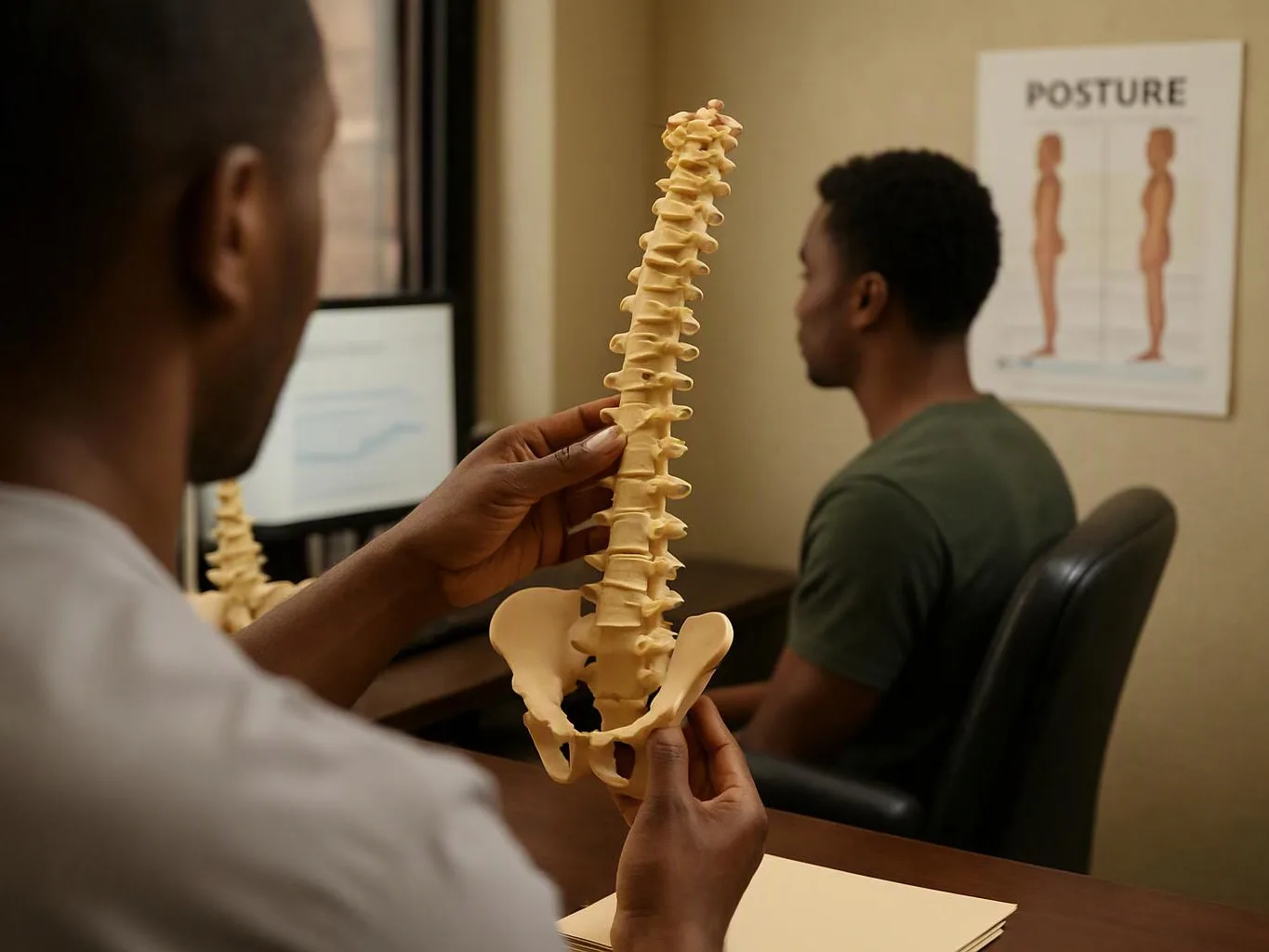
A first visit includes a new patient intake, health history, examination, and discussion of your goals. We review your symptoms and perform checks that may include foot movement, heel tenderness, posture, and walking mechanics. X-rays are considered only when clinically indicated, and care is explained before treatment.
How is care matched to my foot before treatment starts?
The treatment plan is matched to your foot through the examination findings and your health history. We consider gait, arch structure, heel tenderness, activity demands, and your goals. The report of findings explains the proposed approach, and you can ask questions before treatment begins.