Can sciatica treatment help with leg numbness from disc herniation?
Disc herniation can cause leg numbness, and sciatica treatment may help when nerve irritation is involved. The exam reviews sensation, movement, posture, and pain patterns before care begins. Sudden weakness, bowel or bladder changes, or saddle numbness needs urgent medical attention. Results vary because numbness has several possible causes.
What should I ask before agreeing to sciatica treatment?
Treatment questions should cover the suspected cause, the proposed method, and when progress will be reviewed. Ask what the exam found and whether imaging or referral is needed. Also ask how adjustments, exercises, and self-care guidance fit your goals. Clear pre-treatment explanations should come before you agree to care.
Which condition can change the care plan for radiating pain?
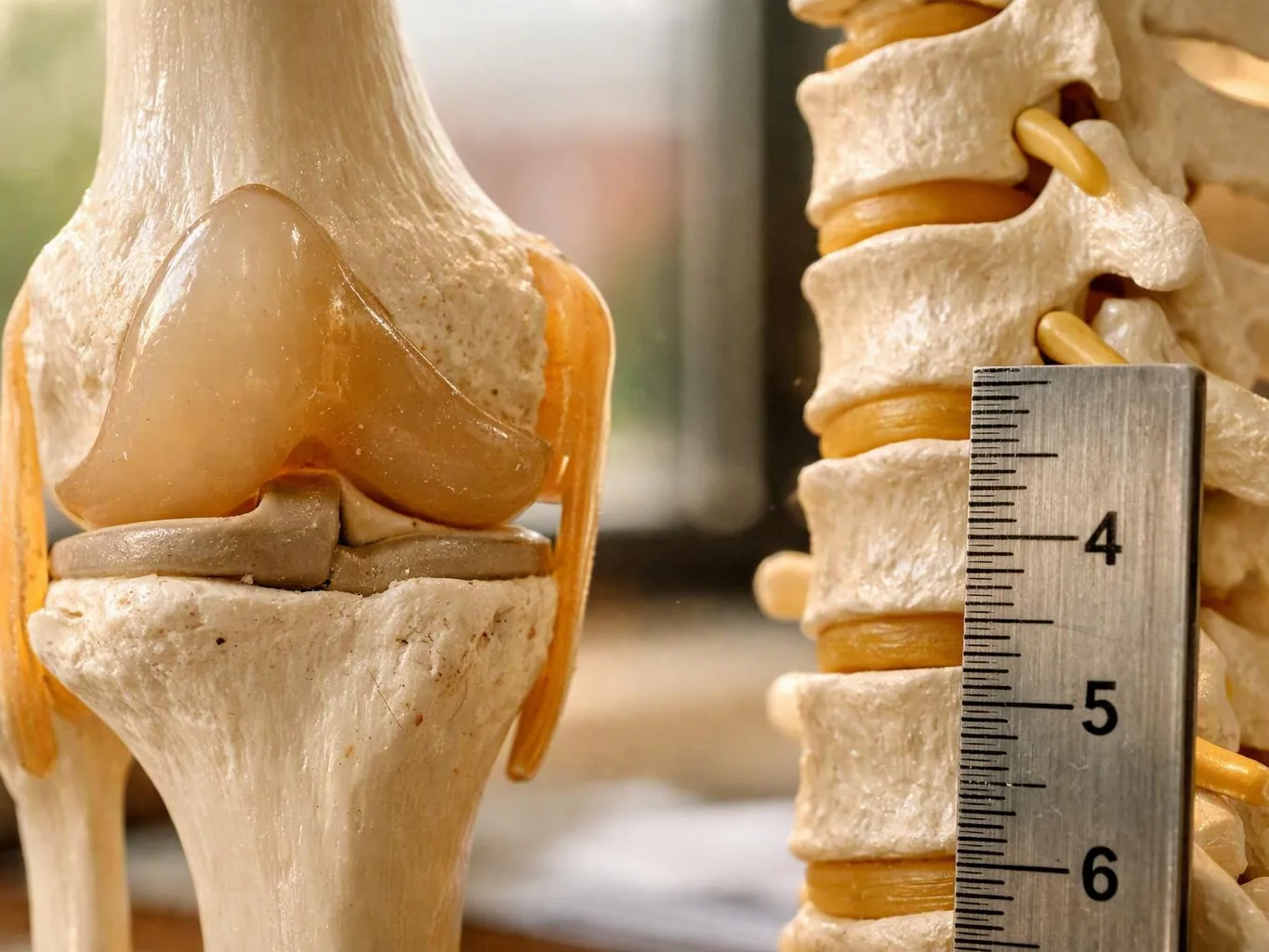
The source of radiating pain can change the care plan. Disc herniation, piriformis syndrome, and other nerve problems can create similar symptoms. A health history and movement exam help separate these patterns. Medical imaging or referral may be considered when the findings call for more evaluation.
How is sciatica care matched to my symptoms before treatment?
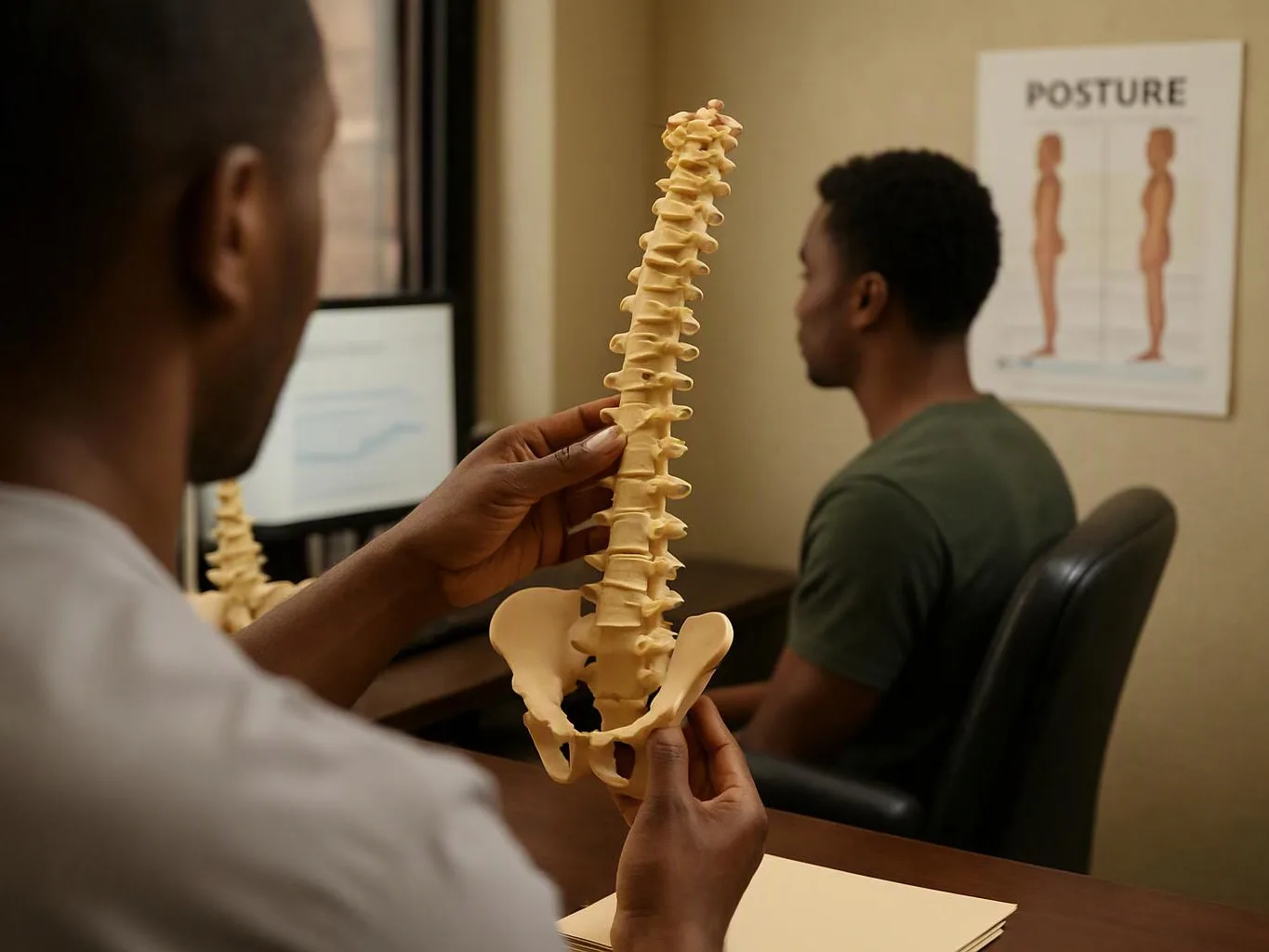
A new patient intake and exam match care to your symptoms, health history, and movement goals. Posture, spinal movement, pain location, and changes in sensation guide the discussion. Adjustments, corrective exercises, and wellness guidance are considered only when they fit the findings and your comfort.
When should leg numbness receive urgent medical attention?
Leg numbness needs urgent medical attention when it appears with sudden weakness, loss of bladder or bowel control, or saddle numbness. These signs can point to a serious nerve problem. Routine chiropractic care should wait until urgent concerns receive proper medical review.
What happens during a first visit for sciatica symptoms?
The first visit includes a health history, symptom review, and physical exam. The assessment considers posture, movement, pain patterns, and sensation. X-rays may be considered if clinically indicated. After the report of findings, we explain suitable options before creating a personalized treatment plan.
How does ongoing care support movement after symptoms change?
Corrective exercises and wellness guidance support movement after the initial symptoms change. Follow-up visits review progress and adjust the plan when needed. Regular maintenance may fit some people, but the right approach depends on your goals, response, and daily activity.