Skip to content

Plantar Fasciitis Treatment in Decatur, Georgia

Barefoot walking can increase foot strain in Decatur. We assess how standing, hard surfaces, and shoes affect your symptoms.

Licensed & InsuredUpfront, Transparent PricingServing 52 CommunitiesMon-Fri: 9 am–7 pm, Sat-Sun: Closed

Quick Summary: Plantar Fasciitis Care in Decatur, Georgia

Plantar Fasciitis Treatment in Decatur is provided by Arrowhead Clinic Chiropractor Atlanta for heel pain linked to foot and movement concerns. Care includes posture checks, chiropractic adjustments, soft tissue therapy, corrective exercises, and wellness guidance across Atlanta and nearby communities.

  • What we do: Arrowhead Clinic Chiropractor Atlanta provides Plantar Fasciitis Treatment for Decatur patients with heel pain and related movement concerns.
  • What is included: Our care may include posture evaluations, chiropractic adjustments, soft tissue therapy, corrective exercises, and wellness guidance.
  • What you get: Plantar Fasciitis Treatment supports better foot movement and helps patients work toward greater comfort during daily activity.

Why can barefoot walking make plantar fasciitis symptoms worse?

Barefoot walking can increase strain when the foot lacks support during standing or walking. Hard floors, long standing, and unsupportive shoes may add stress. A chiropractic assessment reviews foot movement, posture, and related joint function. Care may include adjustments, soft tissue therapy, and exercises suited to your needs.

Plantar Fasciitis Treatment for Decatur Heel Pain

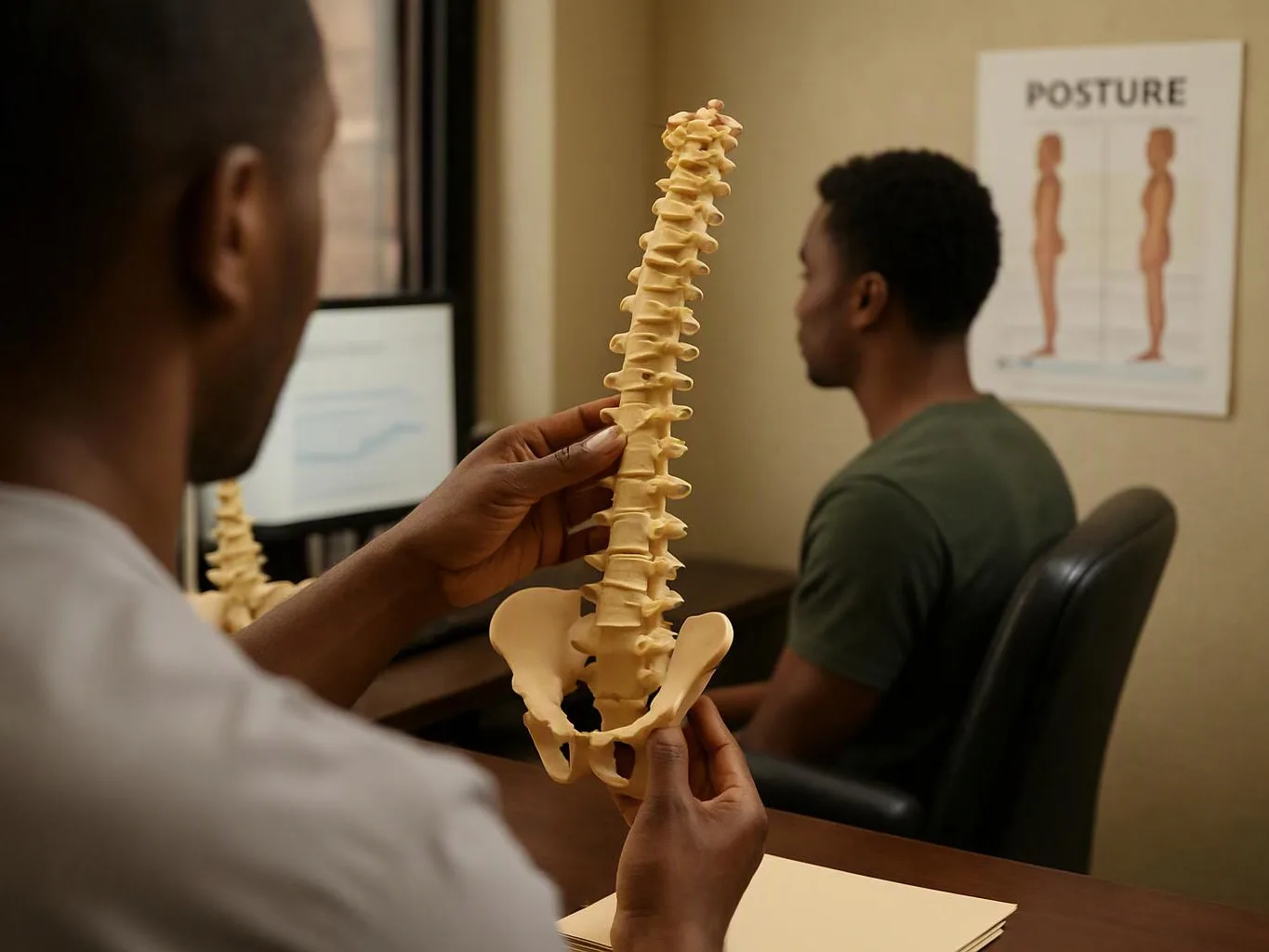
Plantar fasciitis treatment helps people who feel heel pain during walking, standing, or their first steps after rest. Our focus is the full movement pattern, not the heel alone. We review foot and ankle motion, posture, activity, and footwear during the health history and exam.

Barefoot walking, long standing, hard surfaces, and unsupportive shoes can all affect symptoms. The buyer decision is whether a movement-focused plan fits the problem. If symptoms suggest a concern outside chiropractic care, we explain the next appropriate step.

  • Note when heel pain starts and which activities make it worse.
  • Bring details about standing, walking, exercise, and daily footwear.
  • Ask how adjustments, soft tissue therapy, and exercises fit your plan.
  • Discuss any ongoing condition or recent injury before care begins.
Clipboard with blank paper and pen, surrounded by two wooden mannequins, a folded towel, and a small dish with a round stone

Service Overview

Plantar fasciitis treatment is a non-invasive care approach that addresses heel pain, foot movement, and related musculoskeletal strain.

  • Chiropractic care focuses on movement, joint function, soft tissue, posture, and exercises, while custom orthotics focus on added foot support.
  • We provide this care for patients in Decatur and nearby Atlanta communities.
Process

How Plantar Fasciitis Care Is Done

1

Review symptoms and health history

We discuss heel pain, activity, footwear, past injuries, and health goals during the new patient intake.

2

Check foot and body movement

The exam reviews posture, foot and ankle motion, joint function, and related movement patterns.

3

Explain the care plan

We provide clear pre-treatment explanations and outline the recommended chiropractic care, exercises, or soft tissue work.

4

Apply suitable treatment methods

Care may include chiropractic adjustments, soft tissue therapy, posture work, and corrective exercises.

5

Review progress and next steps

Follow-up care checks how movement and symptoms are changing, then guides ongoing care or maintenance.

How We Approach Heel Pain Care

Clear assessment before treatment

Your health history and exam guide the plan. We explain each recommended step before care begins, so you understand its purpose.

Care built around daily habits

Footwear, standing, walking, and hard surfaces matter. We discuss these habits because they can affect how your feet handle daily load.

A movement-focused treatment plan

Our experienced chiropractic care team may combine adjustments, soft tissue therapy, posture work, and corrective exercises. This service is not the right fit for every source of heel pain, so we address referral needs when the exam calls for them.

What This Heel Pain Care Can Support

A movement assessment shows which daily activities may add stress to the foot.

A personalized plan gives you clear steps for care and self-management.

Corrective exercises may support foot, ankle, and lower-leg mobility.

Posture and joint checks help connect heel symptoms with wider movement patterns.

Regular maintenance may support ongoing mobility after the initial concern is addressed.

What Plantar Fasciitis Care Includes?

Arrowhead Clinic Chiropractor Atlanta provides comprehensive Plantar Fasciitis Treatment in Decatur. Here's what you get:

  • We begin with a new patient intake, health history, and physical exam.
  • We assess posture, foot movement, ankle function, and related joint motion.
  • We may provide chiropractic adjustments suited to your movement needs.
  • Soft tissue therapy may address tension around the foot, ankle, or lower leg.
  • Corrective exercises may support mobility and better movement habits.
  • We explain the personalized treatment plan and what to expect before care.

Movement-Focused Care Options

These options address different parts of a plantar fasciitis care plan.

Care optionMain focusWhen it may fit
Chiropractic adjustmentJoint motion and alignmentWhen movement findings relate to symptoms
Soft tissue therapyTension around the foot, ankle, or lower legWhen soft tissue limits movement or comfort
Corrective exerciseMobility and movement habitsWhen guided home movements suit the care plan

The Arrowhead Clinic Chiropractor Atlanta Standard

  • Personalized Care
  • Thorough Evaluations
  • Clear Care Options
  • Professional Hands-On Care

Questions About Heel Pain Care

What can make plantar fasciitis symptoms worse?

Barefoot walking, long standing, hard surfaces, and unsupportive shoes can worsen plantar fasciitis symptoms. Foot movement and posture also matter. We assess these factors during an exam and explain which habits may affect your care plan. Individual response differs, so treatment is based on your symptoms and movement findings.

How can I tell whether this treatment fits my heel pain?

Heel pain linked to walking, standing, or foot movement may fit a chiropractic assessment. A health history and exam help identify movement limits and related joint concerns. We also consider recent injuries and ongoing conditions. The consultation helps decide whether adjustments, exercises, soft tissue therapy, or another next step is suitable.

Which part of my body decides the treatment scope?

Foot and ankle movement often guides the treatment scope, but posture and related joints also matter. Knee, hip, and lower-back motion can affect how the foot handles daily load. Our team checks the full movement pattern before recommending care. The exam keeps treatment focused on your symptoms and functional goals.

Which material changes how long treatment takes?

No single shoe material decides treatment time, because symptoms and movement findings guide the plan. Firm floors, worn soles, and low-support shoes may change daily foot strain. Bring the shoes you wear most often if they relate to your symptoms. We can discuss footwear, exercises, and care needs during consultation.

When should heel pain be checked by a chiropractor?

Heel pain should be checked when it keeps returning, affects walking, or limits normal activity. A new patient intake records your symptoms and health history first. We then examine posture, foot motion, and related joints. Sudden severe symptoms or signs of a serious injury need prompt medical attention.

What happens during the first visit for heel pain?

The first visit includes a health history, exam, and discussion of your goals. We ask about walking, standing, footwear, past injuries, and symptom patterns. The exam may review posture, foot and ankle motion, and joint function. We explain the findings and recommended treatment before care begins.

Can chiropractic care support exercise and self-care?

Yes, chiropractic care may support exercise and self-care through guided corrective movements and practical activity advice. We match exercises to your movement findings and daily demands. Our team may also discuss footwear, standing habits, and regular maintenance. Individual results vary, and the plan changes when your needs change.

Contact

Discuss Plantar Fasciitis Treatment in Decatur

Arrowhead Clinic Chiropractor Atlanta can review your heel pain, movement habits, and footwear concerns. Request a free consultation to discuss a care plan built around your needs.

A foam roller, resistance band, and posture booklet rest on a table outdoors with a blurred building behind them

ZIP Codes We Serve in Decatur, Georgia

3003030031300323003330034300353003630037

The health and wellness information on this website is for general informational purposes only and is not medical advice. It does not create a provider-patient relationship. Always consult a qualified licensed provider in Atlanta, Georgia, United States about your specific condition before making care decisions. Individual results vary.

(770) 637-0564