Skip to content

Sports Injury Treatment in Atlanta, Georgia

We provide personalized chiropractic care for sports-related pain and movement limits. Our treatment plans focus on non-invasive options that fit your needs.

Licensed & InsuredUpfront, Transparent PricingServing 52 CommunitiesMon-Fri: 9 am–7 pm, Sat-Sun: Closed
Sports Injury Treatment helps active people in Atlanta address pain after training, competition, or repeated strain. Arrowhead Clinic Chiropractor Atlanta begins with your symptoms, health history, and movement needs, then recommends a suitable care plan. Care may include chiropractic adjustments, posture evaluations, corrective exercises, and wellness guidance. We explain each option before treatment, so you understand the next step.

What active people want from injury care

A plan tied to the movement that causes pain.

Clear choices before hands-on treatment begins.

Guidance that connects spinal care with corrective exercise.

What Sports Injury Treatment Covers

Sports Injury Treatment is a chiropractic service that assesses activity-related pain and supports better movement through individualized care.
  • Sports injury treatment differs from general wellness care because it begins with the injury, activity demands, and movement limits that guide the plan.
  • Sports injury treatment in Atlanta follows the same patient-focused scope as our other local chiropractic services, with care based on each person’s needs.
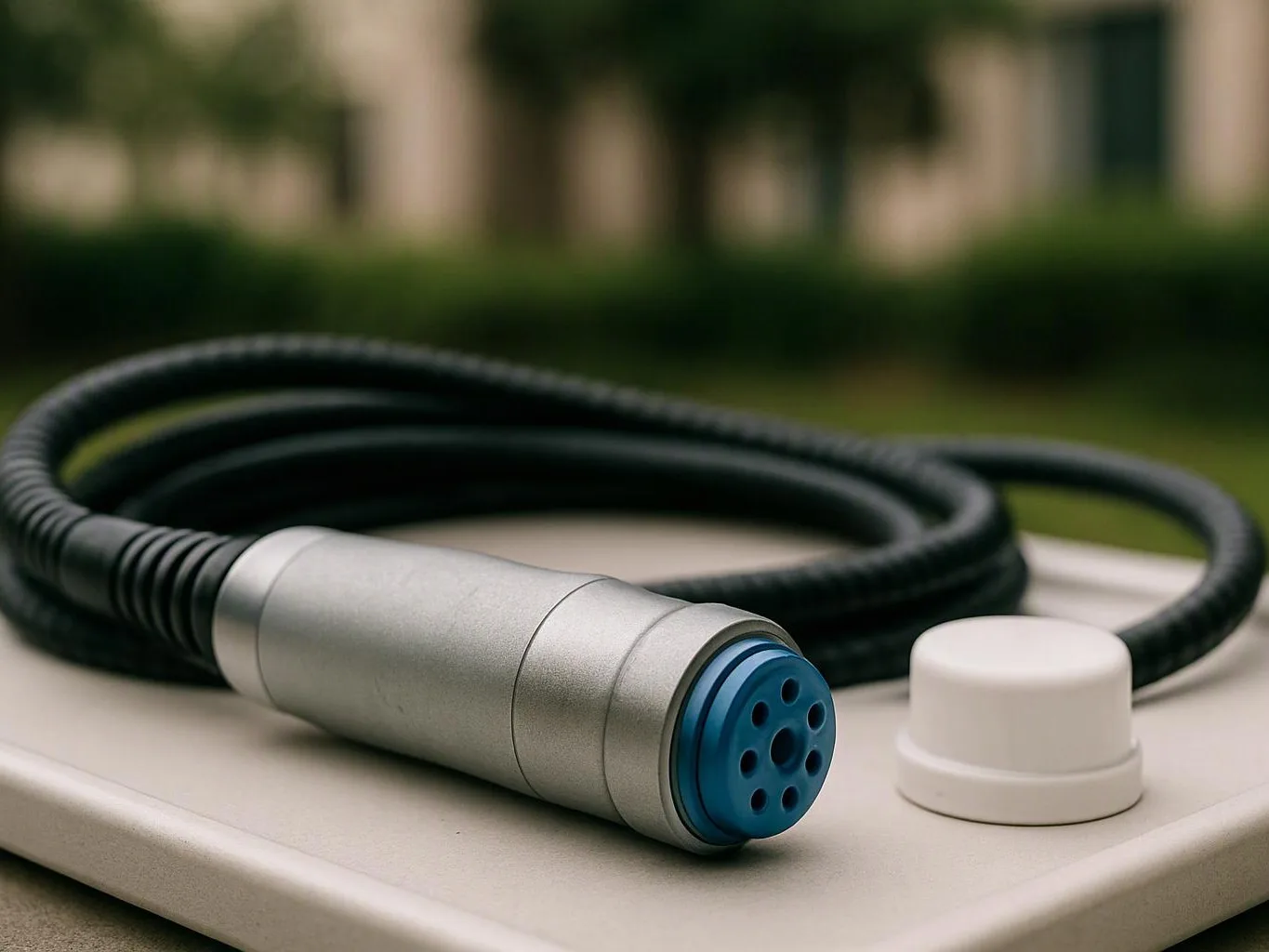
A coiled black cable with a silver blue connector lies on a beige tabletop beside a small white cap
About

How sports injury care addresses movement problems

Sports injury treatment focuses on the problem that limits your activity. We ask how the injury started, which movements hurt, and what you need to return to doing. A health history and exam help us choose the next step. Care may include spinal care, chiropractic adjustments, soft tissue therapy, posture evaluations, or corrective exercises when those options fit your needs. Costs depend on the evaluation needed, the care options selected, and whether follow-up treatment is appropriate. We explain the recommended services and how to request a consultation before care begins. Our view is simple: a treatment plan should match the injury and the person, not just the sport. Skipping the assessment can waste money on care that does not address the movement problem.

Process

Steps from sports injury assessment to care

1

Describe the injury and activity

We review when symptoms began, which activity triggers them, and how the issue affects movement or daily tasks.

2

Complete the health history and exam

We assess posture, spinal movement, joint motion, and related symptoms. X-rays may be considered if clinically indicated.

3

Review the care options

We explain the findings and discuss a personalized treatment plan. Options may include chiropractic adjustments, spinal care, and corrective exercises.

4

Begin suitable treatment

We provide the agreed care in a professional setting and explain any self-care or movement guidance connected with it.

5

Recheck movement and next steps

We review your response and discuss follow-up care, ongoing wellness support, or changes to the plan.

What to prepare before sports injury care

Bring details that help us connect your symptoms with the activity that caused them.

  • Write down when the pain or stiffness began.
  • Note which sports, exercises, or movements increase symptoms.
  • Bring relevant health records or imaging if you have them.
  • List current medicines and prior injuries.
  • Wear clothing that lets you move comfortably during the exam.

The Arrowhead Clinic Chiropractor Atlanta Standard

Thorough Evaluations

We conduct a thorough evaluation of symptoms, movement, posture, and health history before recommending sports injury care.

Personalized Care

We tailor adjustments, corrective exercises, and wellness guidance to each patient’s injury, activity demands, and movement goals.

Clear Care Options

We explain each suitable care option, discuss expected steps, and answer questions before hands-on treatment begins.

Questions about sports injury treatment

Who provides sports injury treatment in Atlanta?

Arrowhead Clinic Chiropractor Atlanta provides sports injury treatment for athletes and active individuals. We begin with a health history and exam, then explain suitable care options. Treatment may include chiropractic adjustments, posture evaluations, corrective exercises, spinal care, or wellness guidance. The plan follows your symptoms, movement needs, and health goals.

What happens during a first visit for a sports injury?

The first visit includes a health history, symptom review, and physical assessment. We ask about the activity that caused the problem and the movements that increase symptoms. X-rays may be considered if clinically indicated. After the exam, we explain the findings and discuss a personalized treatment plan.

What changes the cost of sports injury care?

The evaluation, selected treatment methods, and need for follow-up care affect the cost. A plan involving an exam alone differs from one involving adjustments, spinal decompression, or corrective exercise guidance. We explain recommended services before care begins, and you can request a consultation for details about your situation.

Should I choose chiropractic care or physical therapy for a sports injury?

The better choice depends on the injury, examination findings, and care goal. Chiropractic care may focus on spinal and joint movement, while physical therapy often emphasizes rehabilitation exercises and function. We assess your symptoms and explain whether our available options fit your needs. Severe injuries may require medical evaluation.

Do I need an MRI or referral before an appointment?

You don’t always need imaging or a referral before an appointment. We review your health history and examine your symptoms first. X-rays may be considered when clinically indicated. Bring any existing reports or images because they can add useful context to the assessment and care discussion.

Can sports injury care help prevent another injury?

Sports injury care may support better movement and reduce strain linked to poor posture or limited joint motion. We connect treatment with corrective exercises and activity guidance when appropriate. Results vary, so continued prevention depends on your training, recovery, movement habits, and response to the plan.

Common Mistakes With Sports Injury Treatment

  • Returning to full activity while pain changes your form can shift stress to another area. We check movement patterns before discussing corrective exercises or other care.
  • Choosing treatment from the sport alone ignores the actual symptom pattern and health history. We assess the person, the activity, and the affected movement first.
  • Paying for care without understanding what it includes can waste a limited budget. We explain the recommended evaluation, treatment options, and follow-up decisions before care begins.
  • Treating recurring soreness as a single isolated event can miss a repeated movement problem. We ask when symptoms return and connect the findings to a personalized plan.

Key Points About Sports Injury Treatment

  • The health history and movement exam guide sports injury care.
  • Chiropractic adjustments address spinal and musculoskeletal concerns when suitable.
  • Corrective exercises may support movement control and activity goals.
  • Costs depend on the evaluation, selected care, and follow-up needs.
  • Results vary, so prevention also depends on training and recovery habits.
Contact

Discuss sports injury care in Atlanta

Get a plan that connects your symptoms with the activity that triggers them. Arrowhead Clinic Chiropractor Atlanta can discuss your goals, exam needs, and suitable care options during a consultation.

A spine model, foam roller, resistance band, tablet, and papers sit on a wooden table by a bright window
Scenarios

When Customers Call Us About Sports Injury Treatment

1

Pain after a training session

Pain that starts after lifting, running, or repeated drills can change how you move. The key issue is whether the pain affects your form or daily tasks. Bring details about the activity, the first symptoms, and movements that worsen them. We’ll use that information during the health history and exam before discussing treatment options.

2

Recurring injury during competition

A recurring problem often appears when the same movement or workload returns. Rest may reduce symptoms, but the pattern can return when activity resumes. We assess posture, spinal movement, and the activity that brings the pain back. A consultation helps decide whether adjustments, corrective exercises, or another care option fits your needs.

3

Unsure which care fits

Active people may not know whether their symptoms call for spinal care, hands-on treatment, or movement guidance. The choice should follow the exam and the person’s health history. Write down your main goal and the activity you want to resume. We’ll explain suitable options and the factors that affect the cost of care.

Our Other Services

Migraine TreatmentMigraine symptoms can disrupt work, family time, and normal routines. Our evaluation considers cervical tension and posture, with chiropractic adjustments and supportive exercises designed to ease musculoskeletal strain around migraine episodes.
Herniated Disc TreatmentA herniated disc may cause back pain, leg symptoms, numbness, or limited movement. We evaluate spinal mechanics and nerve irritation, using decompression care and controlled exercises to support comfort without immediate surgery.
Knee Pain TreatmentKnee pain can make stairs, squats, and longer walks harder than they should be. We assess knee motion, hip support, and surrounding muscles, then plan care to improve stability and everyday comfort.
Hip Pain TreatmentHip pain may affect walking, sitting, getting up, or turning in bed. Care examines hip mobility, pelvic alignment, and nearby muscle tension, helping restore smoother movement through daily activities.
Shoulder Pain TreatmentShoulder pain can interfere with reaching overhead, dressing, or sleeping on one side. Our assessment considers rotator cuff strain, joint mobility, and upper-back mechanics before treatment begins.
Shockwave TherapyPersistent tendon or soft-tissue pain can limit walking, lifting, and exercise. Shockwave therapy directs acoustic waves into the affected area, supporting circulation and tissue recovery for conditions such as plantar fasciitis or tendinopathy.

The health and wellness information on this website is for general informational purposes only and is not medical advice. It does not create a provider-patient relationship. Always consult a qualified licensed provider in Atlanta, Georgia, United States about your specific condition before making care decisions. Individual results vary.

(770) 637-0564