What sports injuries can chiropractic treatment address?
Strains, sprains, tendon injuries, muscle tightness, and limited mobility may fit chiropractic care after an exam. Arrowhead Clinic Chiropractor Atlanta reviews the injury history, posture, joint motion, and related symptoms before recommending adjustments or exercises. Chiropractic treatment does not replace urgent evaluation for suspected fractures, major tears, or severe neurological symptoms.
How does the first visit assess a sports injury?
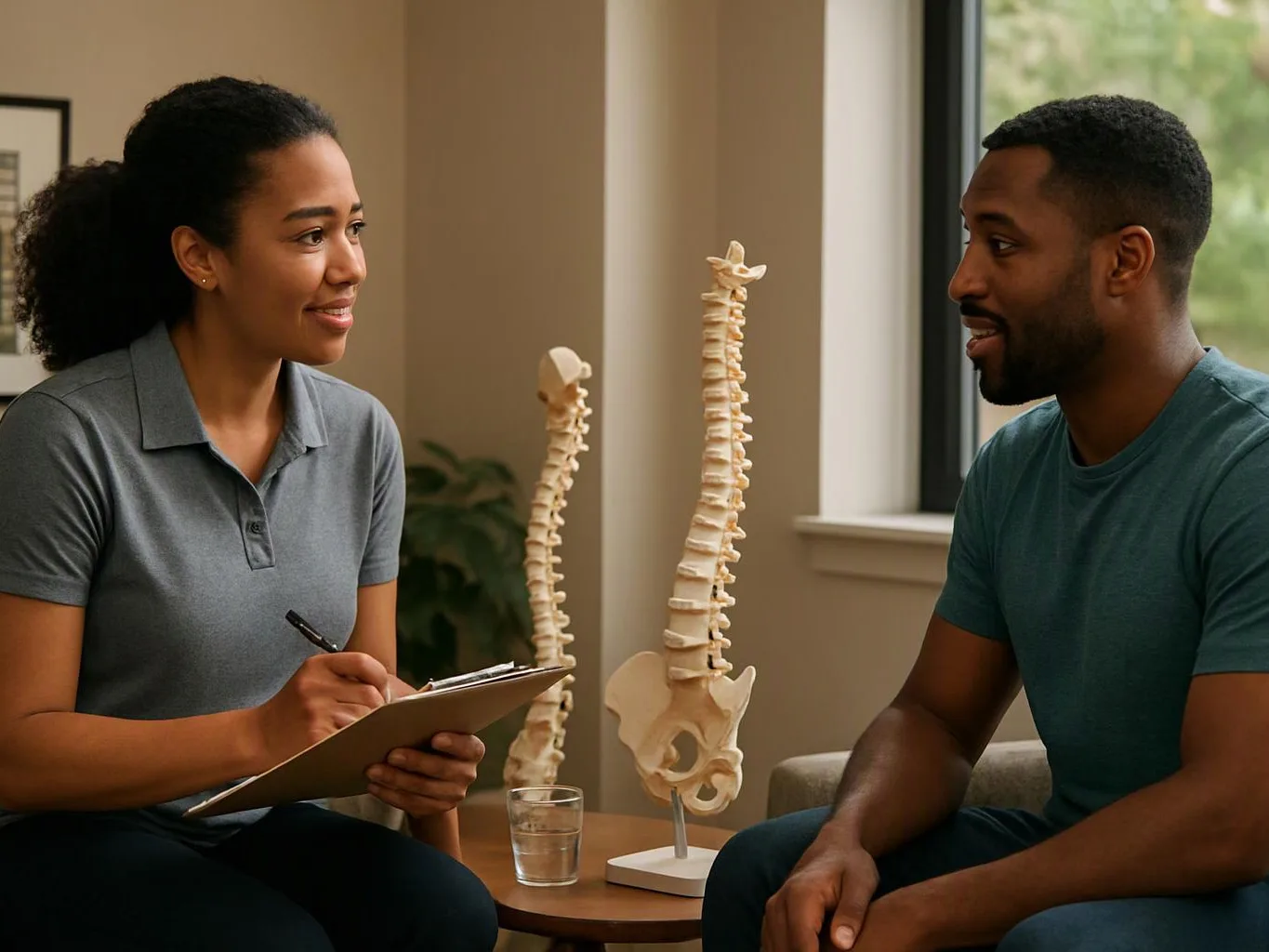
The first visit reviews your health history, injury details, movement, posture, and activity demands. We ask what makes symptoms better or worse and check related joints and muscles. X-rays may be considered if clinically indicated. The findings guide a clear discussion about care options and next steps.
Which part of the injury decides the care scope?
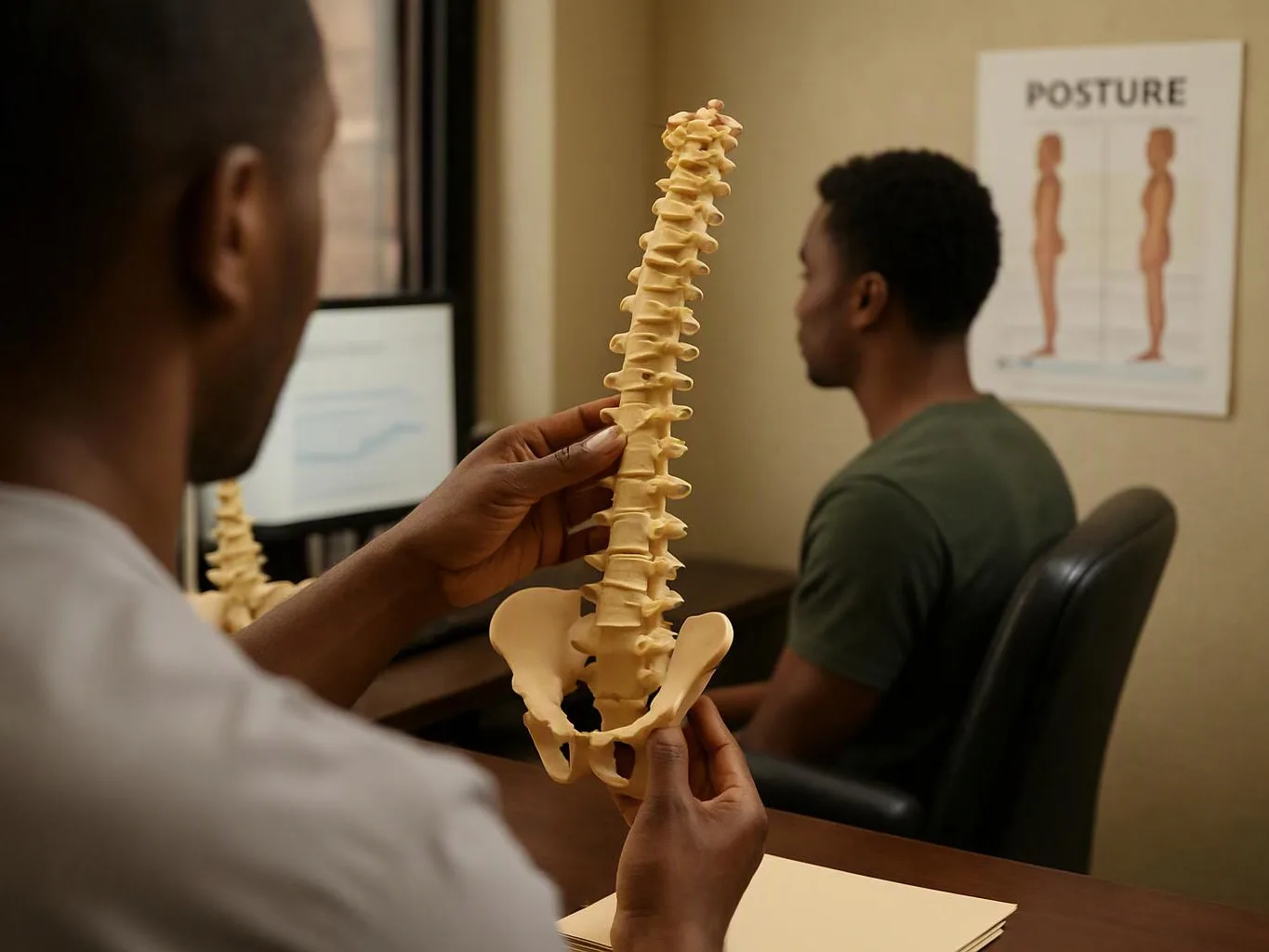
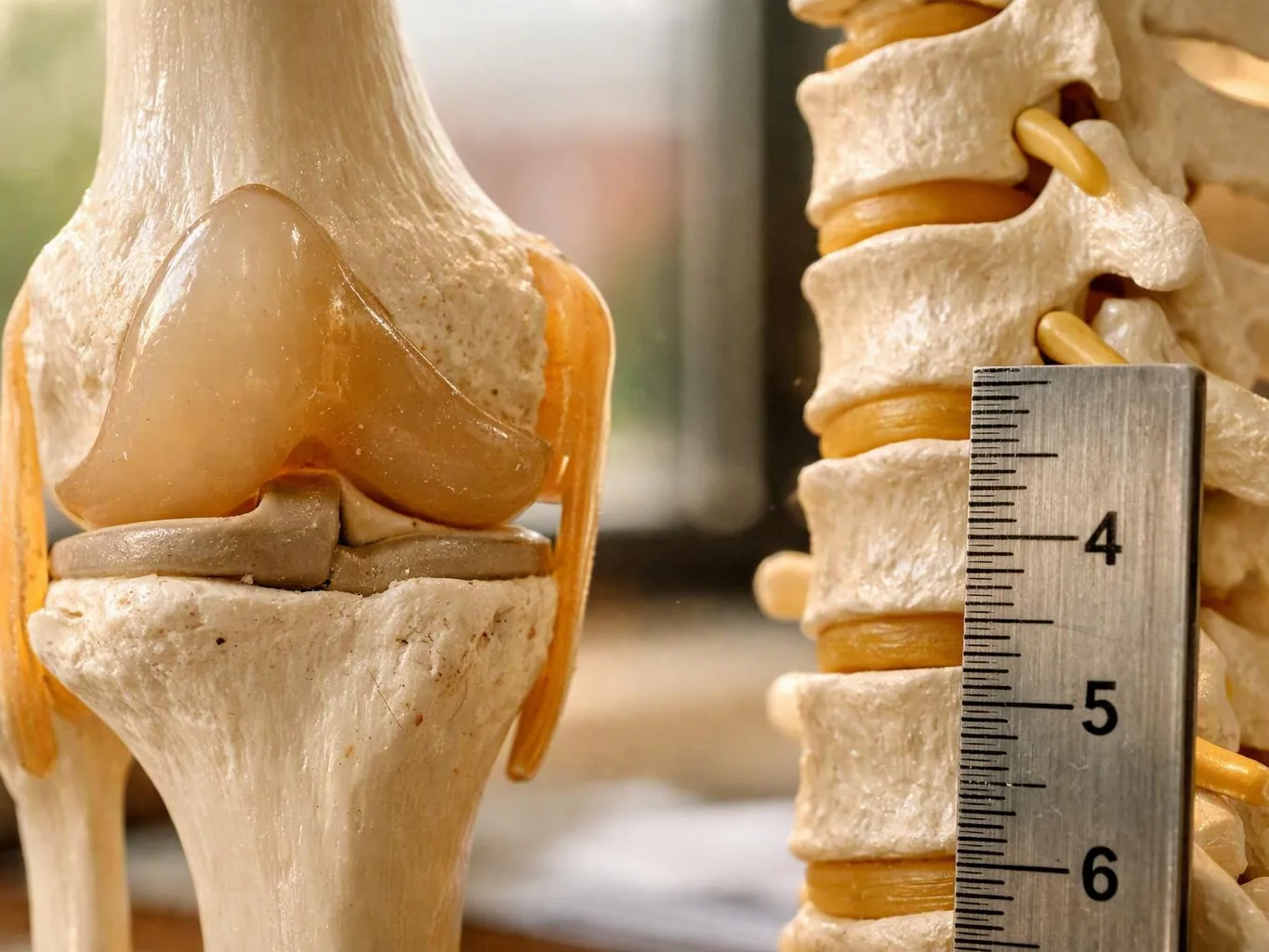
The affected body area and its movement limits help decide the care scope. A shoulder concern may need different checks than a knee, hip, or spine concern. We also consider symptom severity, health history, and how the injury happened. Those details guide the choice of adjustments, soft tissue work, or exercises.
How can I tell if chiropractic care fits my injury?
Chiropractic care may fit when pain or stiffness connects with restricted joint motion and the exam supports treatment. A consultation helps assess that fit. Severe swelling, suspected fracture, major weakness, or loss of feeling calls for prompt medical evaluation before routine chiropractic care.
What should I bring to a sports injury consultation?
Your injury history and current symptom details are the most useful items to bring. Include relevant health records, imaging, medication information, and notes about the activity that caused the problem. These details help us connect your goals with the findings from the health history and exam.
Which material changes how long sports injury care takes?
The injury pattern, exam findings, and response to care affect the treatment timeline. A simple movement restriction may need a different plan than a tendon concern with marked weakness. We discuss the care steps after the assessment, but we don't promise a set duration before reviewing your needs.
Why can stiffness remain after sports activity stops?
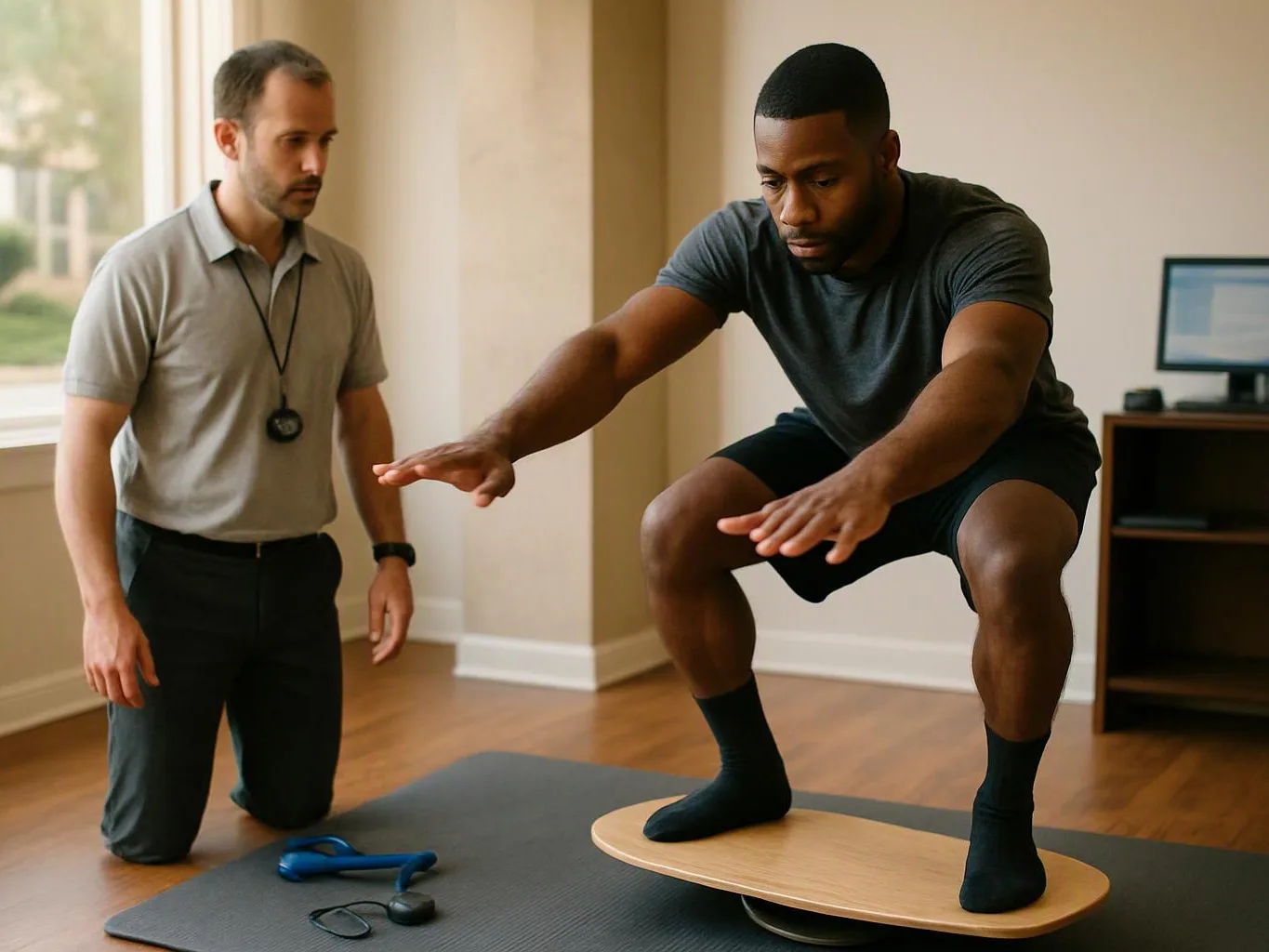
Stiffness can remain when muscles stay tight or joint motion changes after an injury. Altered posture and movement habits may add stress to the area. We check those patterns during the exam and may recommend adjustments, soft tissue therapy, corrective exercises, or wellness guidance based on the findings.