How can chiropractic care help with a sports injury?
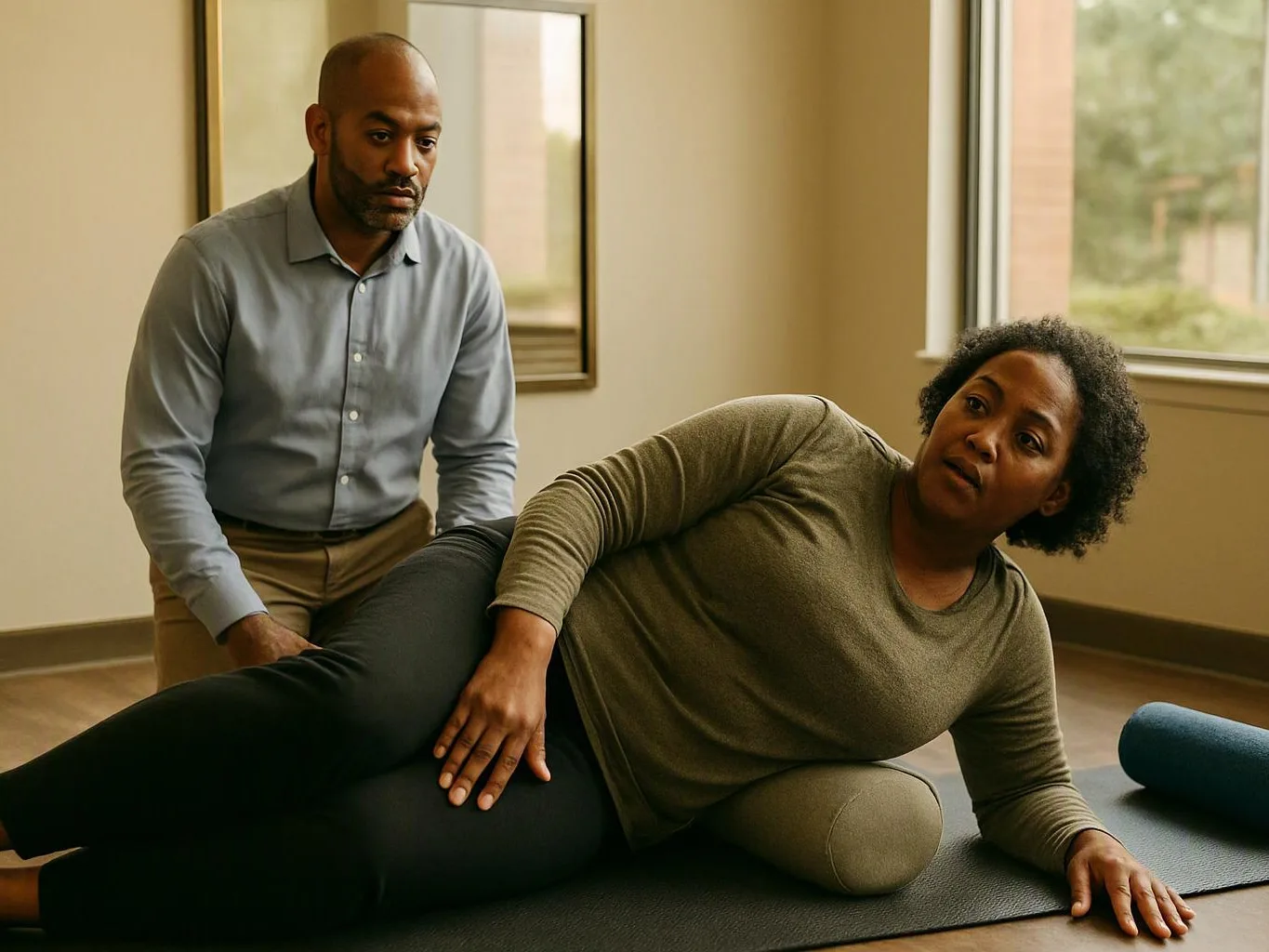
Inflammation control may help reduce irritation around an injured area, while chiropractic care addresses joint motion and movement patterns. Arrowhead Clinic Chiropractor Atlanta reviews your symptoms, health history, posture, and activity before recommending adjustments, soft tissue therapy, or exercises. Individual response differs, so the plan is based on your findings and goals.
What does the team look at first during sports injury care?
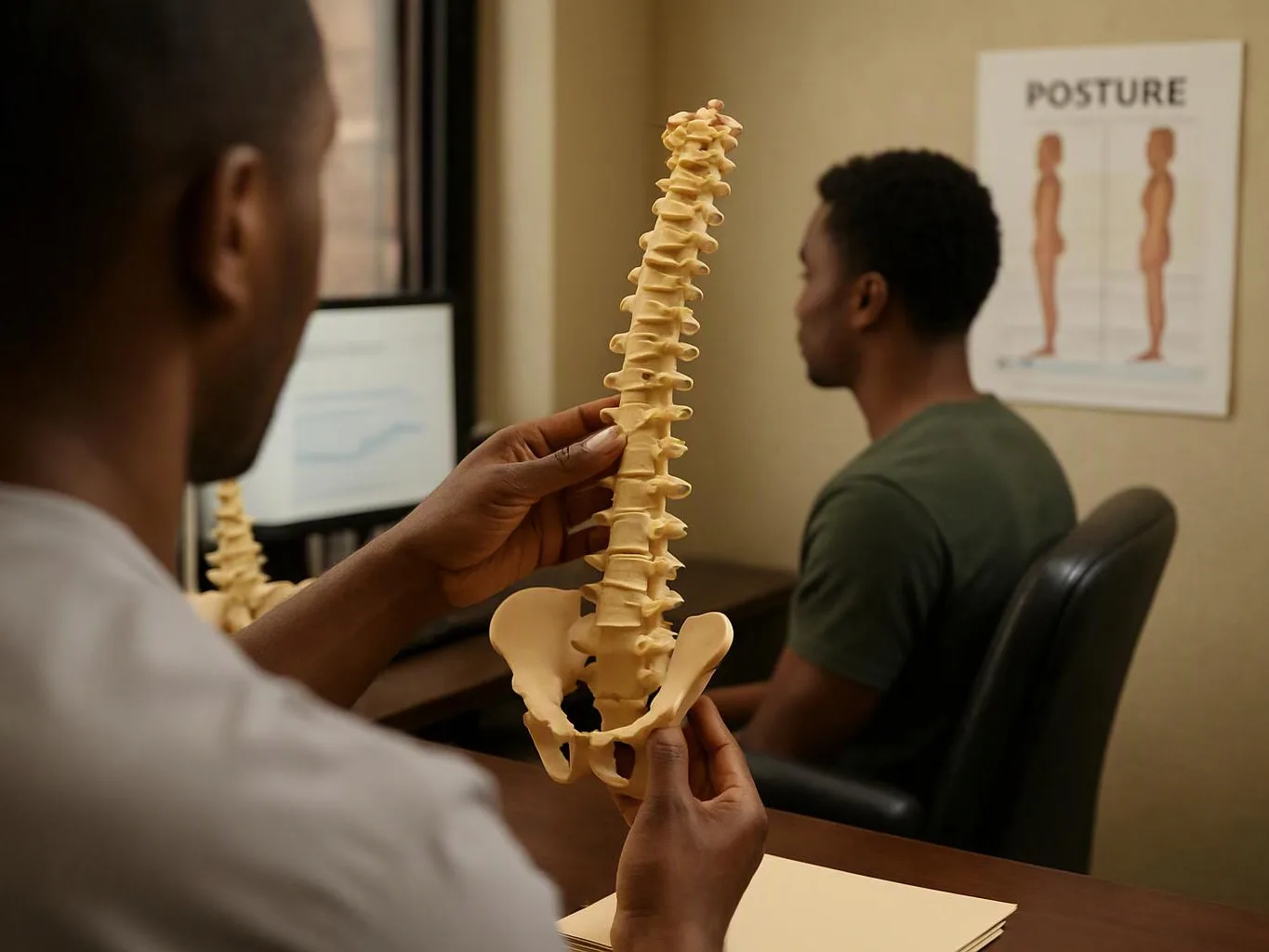
The first assessment looks at your symptoms, health history, posture, joint mobility, spinal function, and the activity that triggers discomfort. We also ask about recent falls, collisions, training changes, and prior injuries. These details help us decide whether chiropractic care fits and which methods deserve discussion.
What should be checked before care is scheduled?
A health history and exam should be checked before treatment is scheduled. The review covers current symptoms, past injuries, medical concerns, activity demands, and warning signs. X-rays are considered only if clinically indicated. This step helps us explain suitability and choose a safe starting plan.
Who is a good fit for sports injury care, and who needs a different service?
Active people with musculoskeletal pain, stiffness, or movement limits may fit this care. Severe trauma, serious neurological symptoms, or urgent medical concerns need medical evaluation first. Our team reviews the complaint and health history before recommending chiropractic adjustments, exercise guidance, or another next step.
Which care methods might be discussed after an injury?
Chiropractic adjustments, soft tissue therapy, spinal care, posture evaluations, and corrective exercises may be discussed after the assessment. The selected method depends on your symptoms, joint motion, health history, and activity goals. We explain each recommendation before treatment begins, so you understand its purpose.
Why does pain return during the same workout?
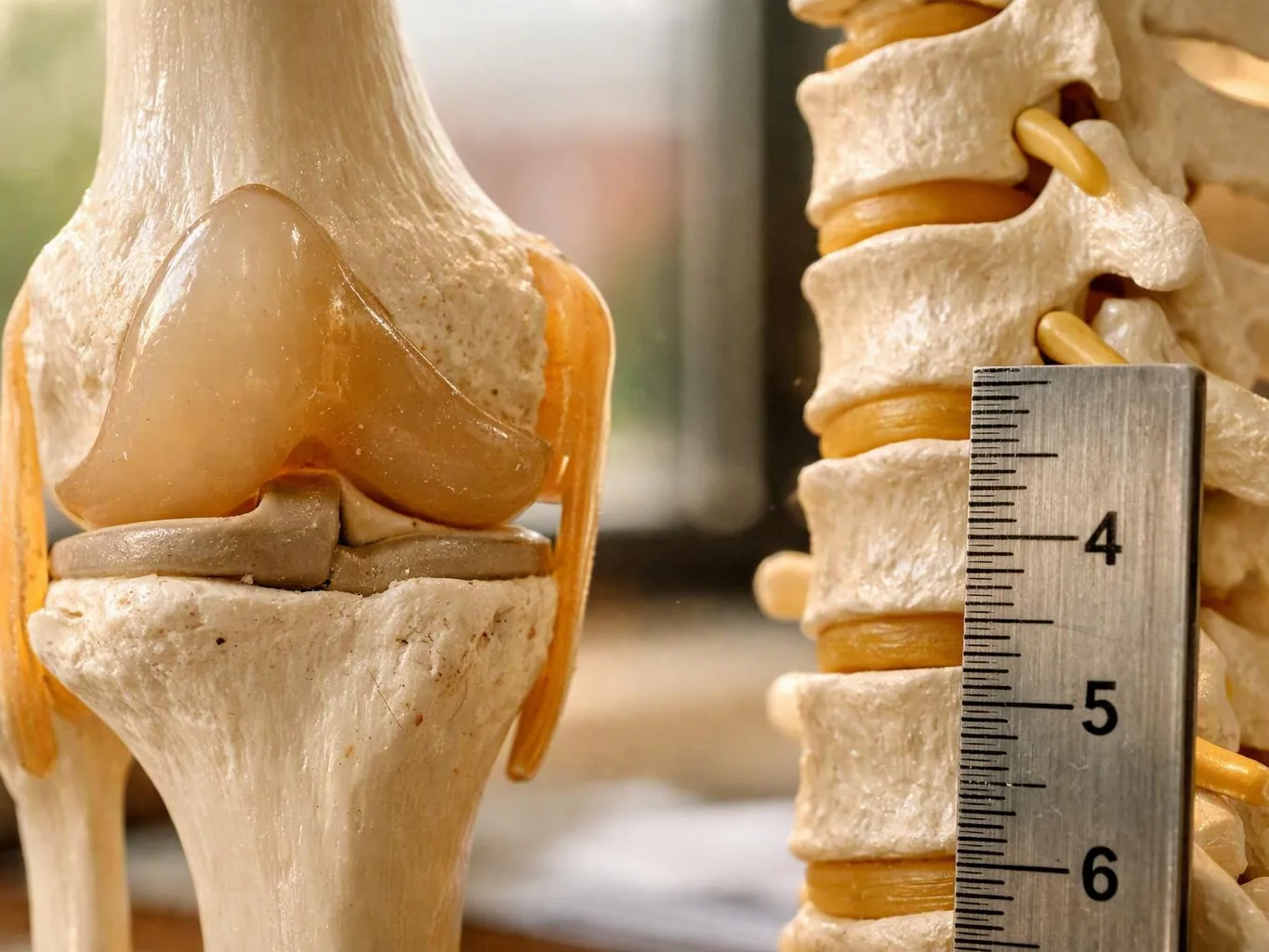
Pain can return when a joint, muscle, posture pattern, or spinal movement keeps receiving stress during the same activity. Our assessment compares the painful motion with nearby joint and soft tissue function. Bring the exercise details to your visit, and we can discuss whether care and movement guidance fit the problem.
How does a first visit differ after a collision?
A first visit after a collision gives extra attention to the impact, symptom changes, health history, and warning signs. Our team completes an intake and exam before discussing care. Seek urgent medical evaluation first when the collision caused severe symptoms, major trauma, or neurological changes.