
What Is Kinesiology Tape?
Kinesiology Tape is an elastic adhesive strip applied to the skin to provide light sensory input and support during movement. The tape may help you notice joint position, guide movement, or reduce the feeling of strain around an injured area. It does not replace examination, rehabilitation, or treatment of the underlying injury.
Quick Facts About Kinesiology Tape
Category
Elastic therapeutic tape
Used for
Movement support and sensory feedback
Common confusion
Not a rigid brace or stand-alone treatment
Also called
K-Tape, Elastic therapeutic tape
Often discussed with
Sports Injury Treatment
Key Takeaways About Kinesiology Tape
- Its elasticity distinguishes it from rigid athletic tape.
- Application follows the area’s movement and tissue needs.
- It is not the same as a brace or treatment by itself.
How Kinesiology Tape Works
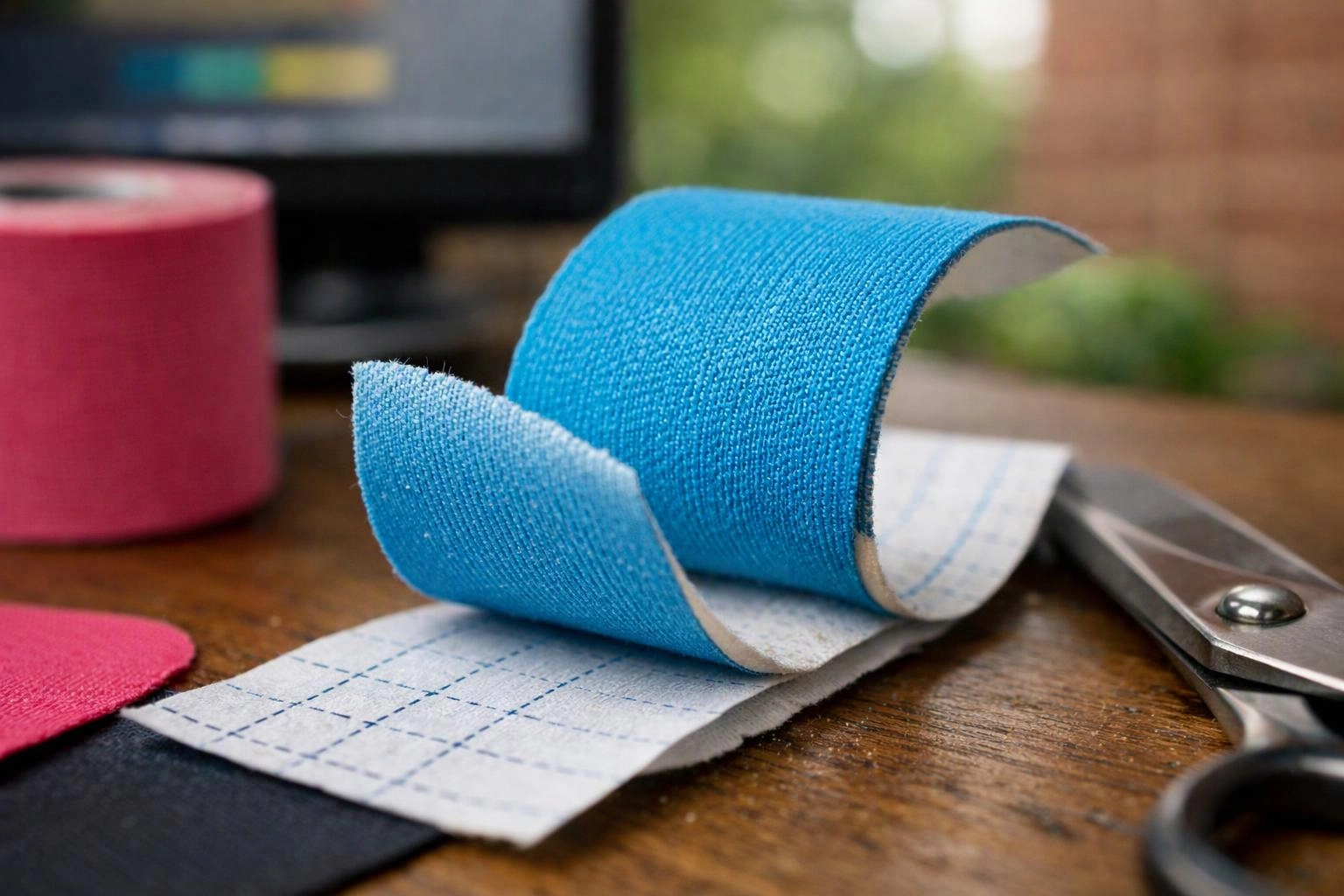
Kinesiology tape stretches as the body moves, then returns toward its resting shape. Applied along or around a target area, the tape creates a light pull on the skin. That sensation can improve awareness of movement and may support a more controlled motion pattern during sports activity.
Related glossary terms: Proprioception, Patellar Tracking, Range of Motion.
Application depends on the body region, skin condition, movement goal, and other care in the plan. For example, tape around a knee may provide a reminder to control knee position during a squat or change of direction. Proprioception describes the body’s awareness of position and movement, which helps explain why sensory input can matter during rehabilitation.

From the Arrowhead Clinic Chiropractor Atlanta team
When we use kinesiology tape in Sports Injury Treatment, we first check the painful area, movement pattern, skin condition, and activity demands. We apply the tape to support the treatment goal and reassess how the person moves with it. We also explain that tape supports care but does not correct every source of pain.
Kinesiology Tape in Practice: A Real-World Example
A recreational runner with mild knee discomfort may receive kinesiology tape along the knee area before movement assessment. The tape can provide sensory feedback while the runner practices controlled squatting, stepping, or running mechanics.
Related Services
Related Terms
Proprioception
Proprioception is the body's ability to sense the position, movement, and force of its joints and…
Patellar Tracking
Patellar Tracking is the path the kneecap follows as the knee bends and straightens. Smooth tracking…
Range of Motion
Range of Motion is the movement available at a joint or across a body region. It…
Joint Mobilization
Joint Mobilization is a hands-on technique that applies controlled, repeated movement to a joint and its…
Arrowhead Clinic Chiropractor Atlanta
Have Questions About Kinesiology Tape?
Contact Arrowhead Clinic Chiropractor Atlanta for practical guidance on Kinesiology Tape and related chiropractor work in Atlanta.