Skip to content

Spinal Decompression Therapy in Dunwoody, Georgia

Degenerative discs need a careful health history and exam before treatment begins in Dunwoody. We offer free consultations to discuss fit and next steps.

Licensed & InsuredUpfront, Transparent PricingServing 52 CommunitiesMon-Fri: 9 am–7 pm, Sat-Sun: Closed

Quick Summary: Spinal Decompression Care in Dunwoody, Georgia

Spinal Decompression Therapy in Dunwoody is provided by Arrowhead Clinic Chiropractor Atlanta for back pain, sciatica symptoms, spinal stenosis, and related concerns. Care includes a health history, exam, and a plan based on individual needs, with free consultations available.

  • What we do: Arrowhead Clinic Chiropractor Atlanta provides Spinal Decompression Therapy for patients in Dunwoody, Georgia after a health history and exam.
  • What is included: We assess back pain, sciatica symptoms, spinal stenosis, and related movement concerns before care planning.
  • What you get: The patient receives a care plan that matches the findings, symptoms, and personal health goals.

What conditions may spinal decompression address?

Degenerative discs, sciatica symptoms, spinal stenosis, and chronic back pain may be considered for spinal decompression after an exam. The treatment isn't right for every patient, so we review health history, symptoms, and goals first. Urgent symptoms such as sudden weakness, loss of bladder control, or severe numbness need prompt medical attention.
Spinal Decompression Therapy for Dunwoody Patients

Spinal decompression therapy is considered for people with back pain, leg symptoms, or limited movement linked to spinal concerns. The visit focuses on whether this approach fits your symptoms, health history, and goals.

A health history and exam guide the decision. We may discuss chiropractic adjustments, posture evaluations, corrective exercises, or other non-invasive options when they better match the findings. Results vary, so the goal is a careful plan rather than a promise of relief.

  • Bring a list of current symptoms and health concerns.
  • Share details about pain, numbness, weakness, or changes in movement.
  • Ask which treatment options fit the findings from your exam.
  • Discuss follow-up care and home guidance before starting treatment.
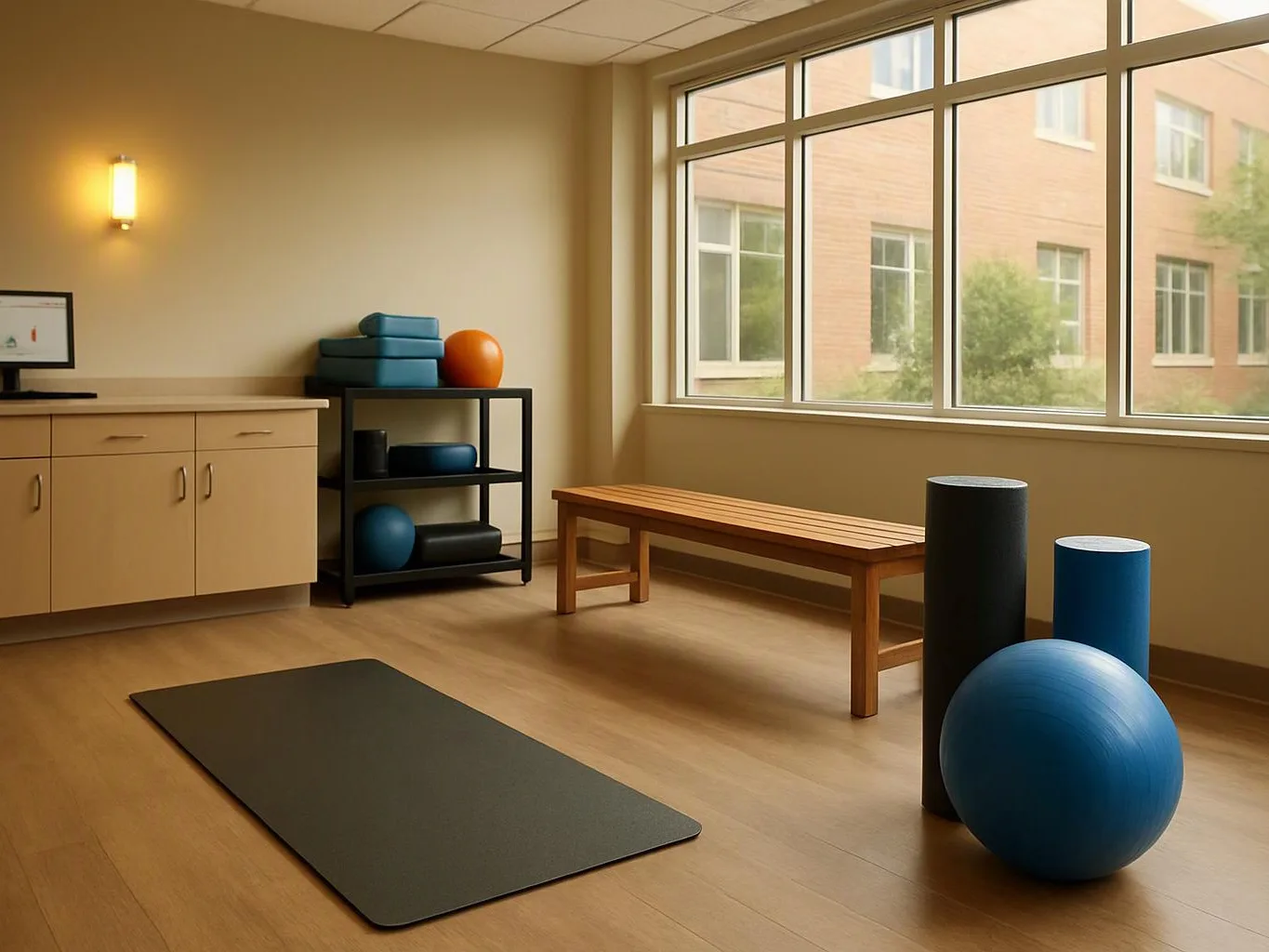
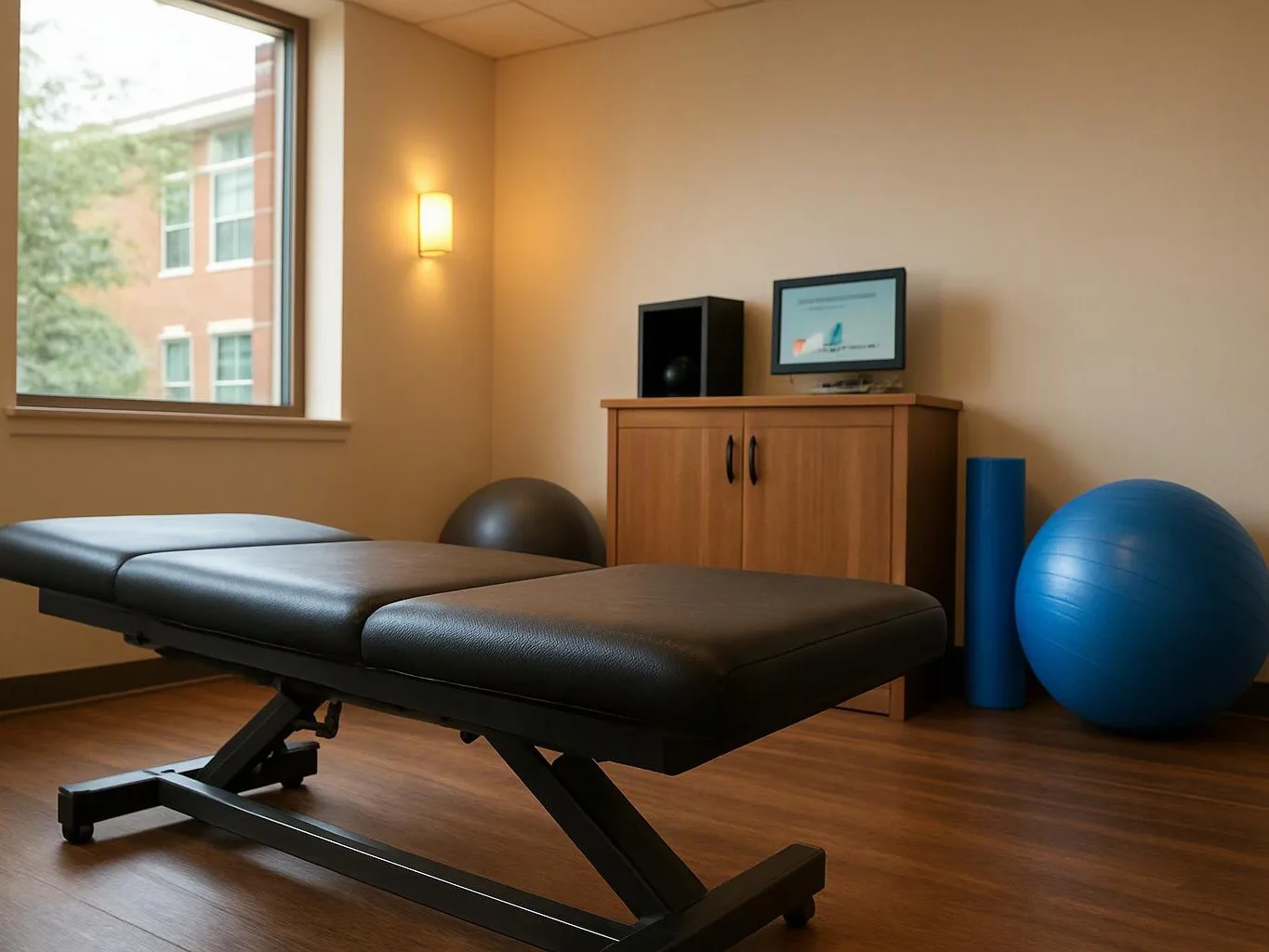
A treatment room holds a black exam table, exercise balls, a cabinet, and a small screen near a window

Service Overview

Spinal decompression therapy is a non-invasive treatment that gently changes spinal loading to support care for selected back and neck concerns.

  • Unlike a chiropractic adjustment, spinal decompression uses controlled table movement and traction instead of a hands-on thrust.
  • We provide this care for patients in Dunwoody as part of individualized chiropractic treatment plans.

What Spinal Decompression Care Includes

Arrowhead Clinic Chiropractor Atlanta provides comprehensive Spinal Decompression Therapy in Dunwoody. Here's what you get:

  • A new patient intake records your symptoms, health history, and care goals.
  • A health history and exam help us assess movement and spinal concerns.
  • We explain whether spinal decompression fits the findings before treatment begins.
  • A personalized treatment plan outlines the recommended approach to care.
  • Related care may include chiropractic adjustments, posture evaluations, or corrective exercises.
  • We discuss follow-up needs and practical wellness guidance as care continues.

What This Treatment May Help You Manage

Spinal decompression may support better movement when back symptoms limit daily activity.

A focused assessment helps connect your symptoms with the right treatment option.

Non-invasive treatment options may suit patients who want a plan built around their needs.

Clear explanations help you understand why a treatment is recommended before you begin.

Regular maintenance may support movement goals after the initial concern has been assessed.

How We Approach Spinal Decompression Care

Start with the patient history

Every plan begins with your symptoms, health history, and goals. We don't recommend spinal decompression when the exam points to another form of care.

Explain the treatment choice

The consultation covers how the treatment works, what it may address, and which questions you should ask before deciding.

Match care to movement needs

Posture checks, corrective exercises, and chiropractic adjustments may support the plan when they fit your findings.

Process

How Spinal Decompression Care Moves Forward

1

Share symptoms and health history

The new patient intake records your symptoms, past concerns, and goals for care.

2

Complete the movement exam

We assess movement and discuss back pain, leg symptoms, numbness, or other concerns that affect the care decision.

3

Review treatment options

The report of findings explains whether spinal decompression, adjustments, exercises, or another approach fits your needs.

4

Discuss consultation and pricing

Free consultations give you a chance to ask questions and understand the recommended plan before treatment begins.

5

Set follow-up guidance

We discuss progress checks, home guidance, and maintenance care when those steps support your movement goals.

Spinal Decompression and Related Care

These options differ in how they are used during an individualized chiropractic plan.

Care optionMain approachWhen it is discussed
Spinal decompressionControlled movement on a spinal decompression tableWhen symptoms and examination findings support this approach
Chiropractic adjustmentHands-on or instrument-assisted adjustment methodsWhen joint movement and spinal findings support adjustment care
Corrective exerciseGuided movement and posture workWhen strength, movement habits, or function are part of the care plan

The Arrowhead Clinic Chiropractor Atlanta Standard

  • Personalized Care
  • Thorough Evaluations
  • Clear Care Options
  • Professional Hands-On Care

Questions About Spinal Decompression Care

Which conditions may spinal decompression address?

Degenerative discs, sciatica symptoms, spinal stenosis, and chronic back pain may be considered after an exam. The treatment choice depends on your symptoms, health history, and movement findings. We explain whether spinal decompression fits before care begins, and we discuss other options when another approach better matches your needs.

How does a visit move from the first call to the last step?

The visit moves from intake and examination to a treatment discussion and follow-up plan. The main steps include:

  • Share symptoms and health history.
  • Complete a movement exam.
  • Review findings and treatment options.
  • Discuss consultation terms and next steps.

Clear explanations guide each decision.

Which material changes how long treatment takes?

The recommended care plan, not a treatment material, guides the time needed for care. We consider your symptoms, exam findings, health history, and response during follow-up visits. Spinal decompression uses a specialized table, but equipment material doesn't determine a personal treatment schedule.

How can I tell whether spinal decompression fits my symptoms?

A health history and exam determine whether spinal decompression fits your symptoms. Back pain, leg symptoms, and movement limits all need context before treatment is chosen. We explain the findings and discuss chiropractic adjustments, corrective exercises, or other care when they better suit your needs.

Do I need imaging before a consultation?

A referral or imaging isn't automatically required before a consultation. The health history and exam guide the first assessment, while imaging is considered when clinically indicated. Bring relevant records if you have them, and share any change in strength, sensation, or bladder control during intake.

What should I bring to my first visit?

Bring your symptom history, current health information, and any relevant medical records. A list of medicines can also help us understand your care needs. The intake then covers your goals, movement concerns, and questions before we discuss a personalized treatment plan.

What is a red flag before spinal decompression?

Sudden weakness, loss of bladder control, severe numbness, or rapidly worsening symptoms need prompt medical attention. These signs require medical assessment before spinal decompression is considered. Tell our team about any serious change during the consultation so we can guide the next step safely.
Contact

Discuss Spinal Decompression Therapy in Dunwoody

Arrowhead Clinic Chiropractor Atlanta offers free consultations for patients considering spinal decompression therapy in Dunwoody. After you reach out, our team can review your concerns, arrange the consultation, and explain the next steps without promising a result.

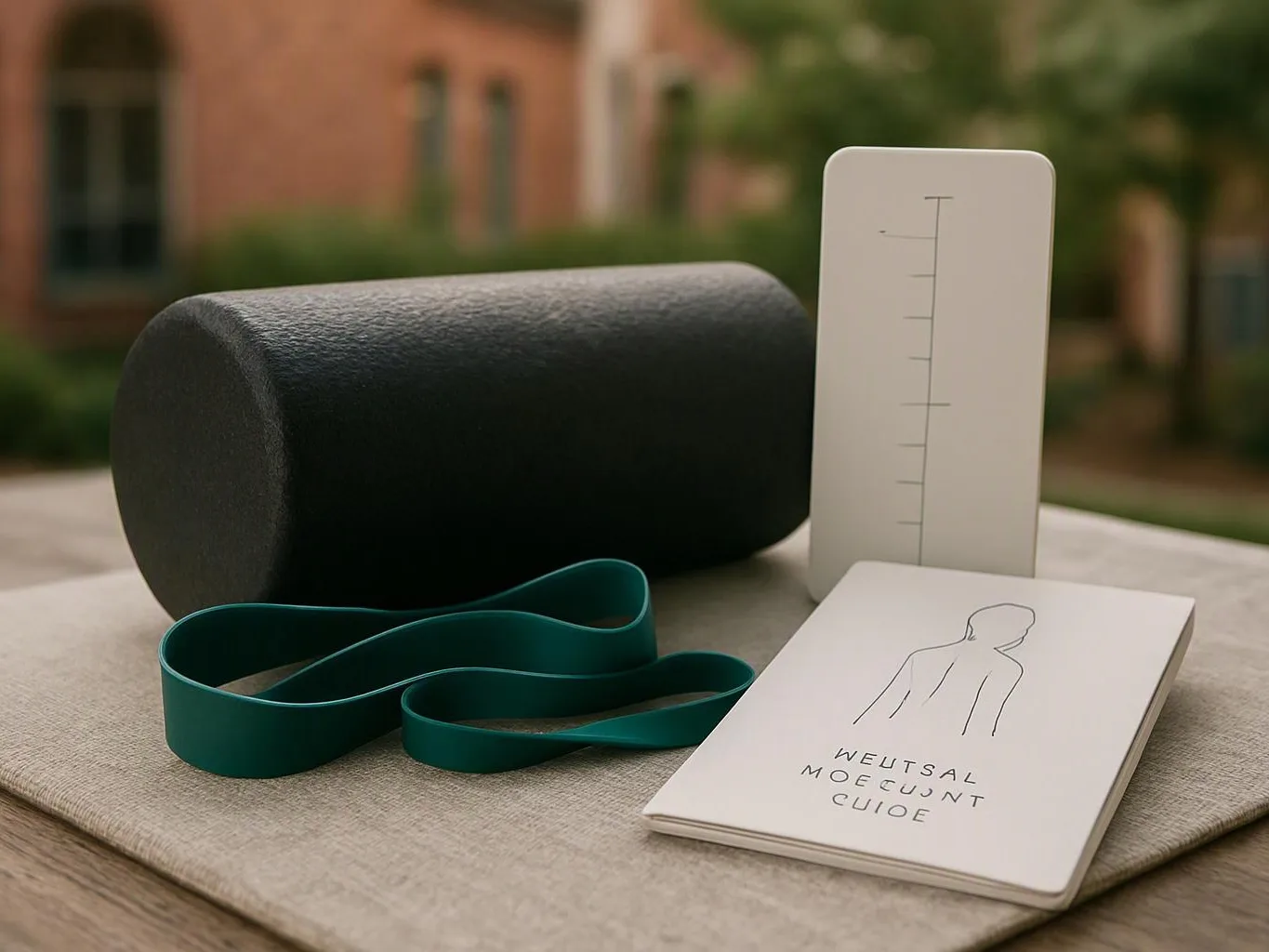
A foam roller, resistance band, and posture booklet rest on a table outdoors with a blurred building behind them

The health and wellness information on this website is for general informational purposes only and is not medical advice. It does not create a provider-patient relationship. Always consult a qualified licensed provider in Atlanta, Georgia, United States about your specific condition before making care decisions. Individual results vary.

(770) 637-0564