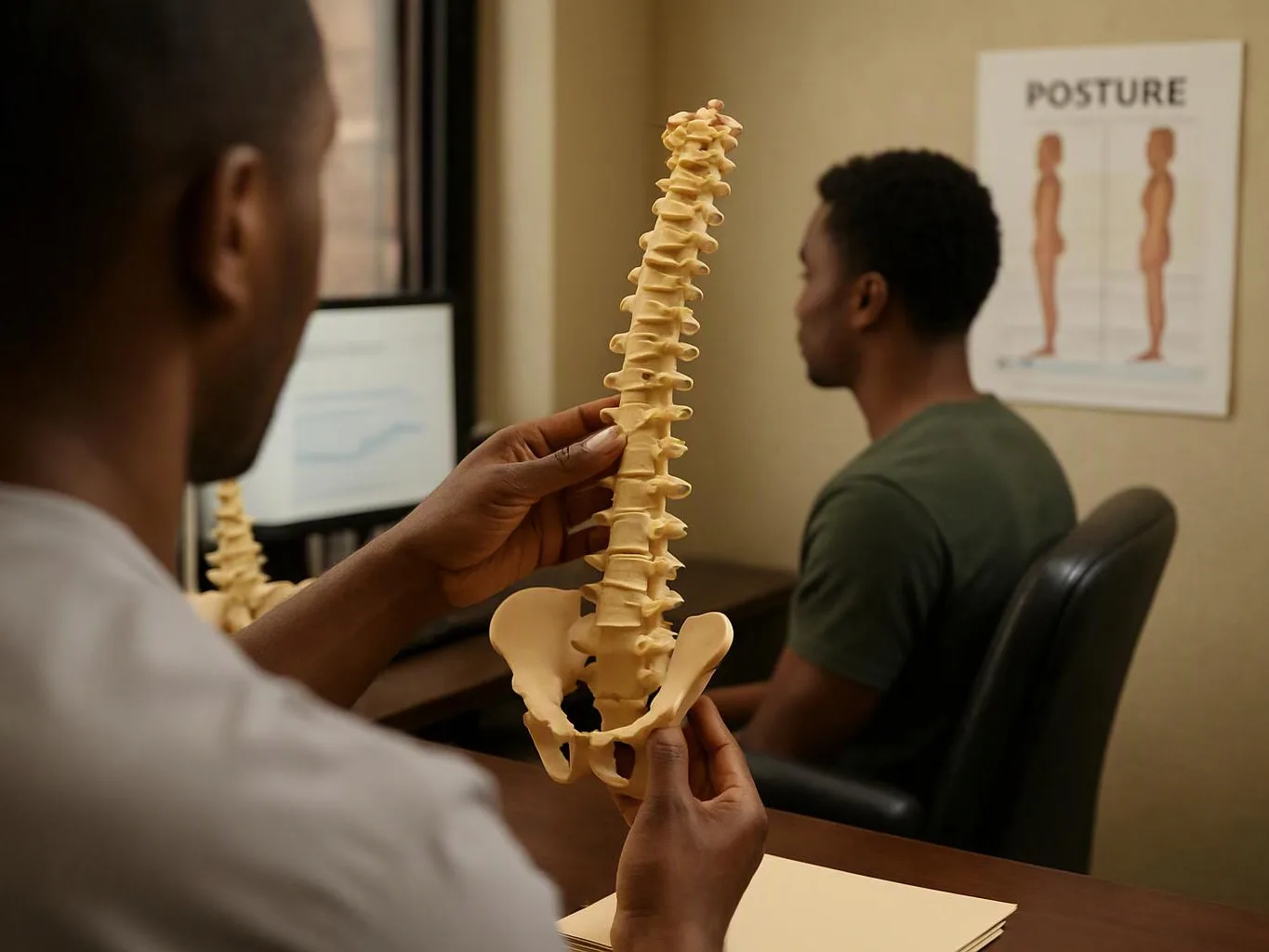
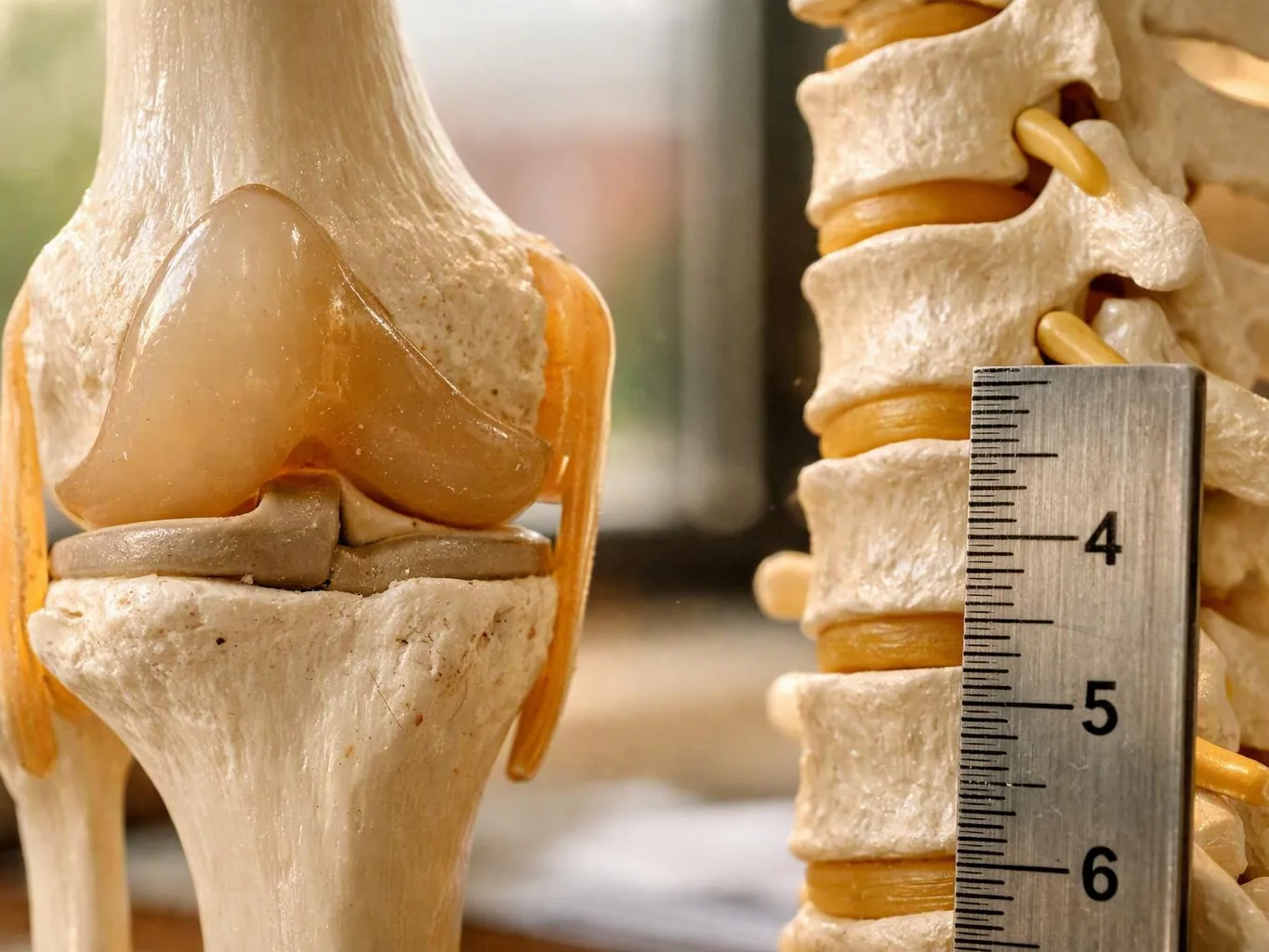
Which conditions may spinal decompression address?
Spinal decompression therapy may address selected cases of spinal stenosis, sciatica symptoms, degenerative discs, and chronic back pain. Suitability depends on your health history and assessment. We review symptoms, movement, and prior care before making a recommendation. Results vary, so we explain the likely treatment goals without promising a specific outcome.
How is treatment matched to my symptoms before it starts?
Your health history and physical assessment guide the treatment match. We review symptom location, movement limits, posture, prior injuries, and current care. X-rays may be considered when clinically indicated. The report of findings explains whether decompression, adjustments, corrective exercises, or another option best fits your needs.
What should I prepare before my first appointment?
Your symptom history, medication list, prior imaging, and details about past injuries help prepare for the first visit. Bring questions about your goals and daily movement. The new patient intake and health history give our team information for the assessment and treatment discussion.
Can spinal decompression replace chiropractic adjustments?
Spinal decompression therapy does not automatically replace chiropractic adjustments. The two methods use different approaches, and we choose care based on the assessment. Some treatment plans may include one method, both methods, corrective exercises, or posture guidance. We explain the reason for each recommendation before treatment.
What warning signs need medical attention first?
New loss of bowel or bladder control, severe weakness, major trauma, or rapidly worsening symptoms need prompt medical evaluation. Spinal decompression therapy is not a substitute for urgent medical care. Tell our team about serious or changing symptoms so we can guide the next step safely.
Why might decompression care be unsuitable for someone?
Decompression care may be unsuitable when the assessment points to a condition needing another type of medical evaluation. We review symptoms, health history, and movement before treatment. Our team explains when chiropractic care fits and when another health professional should guide the next step.
What should I ask before agreeing to treatment?
Ask what the assessment found, why the proposed method fits, and what other care options exist. You can also ask what changes would prompt a plan review. We explain the treatment plan, expected goals, and follow-up approach before care begins.