How are auto accident injuries evaluated?
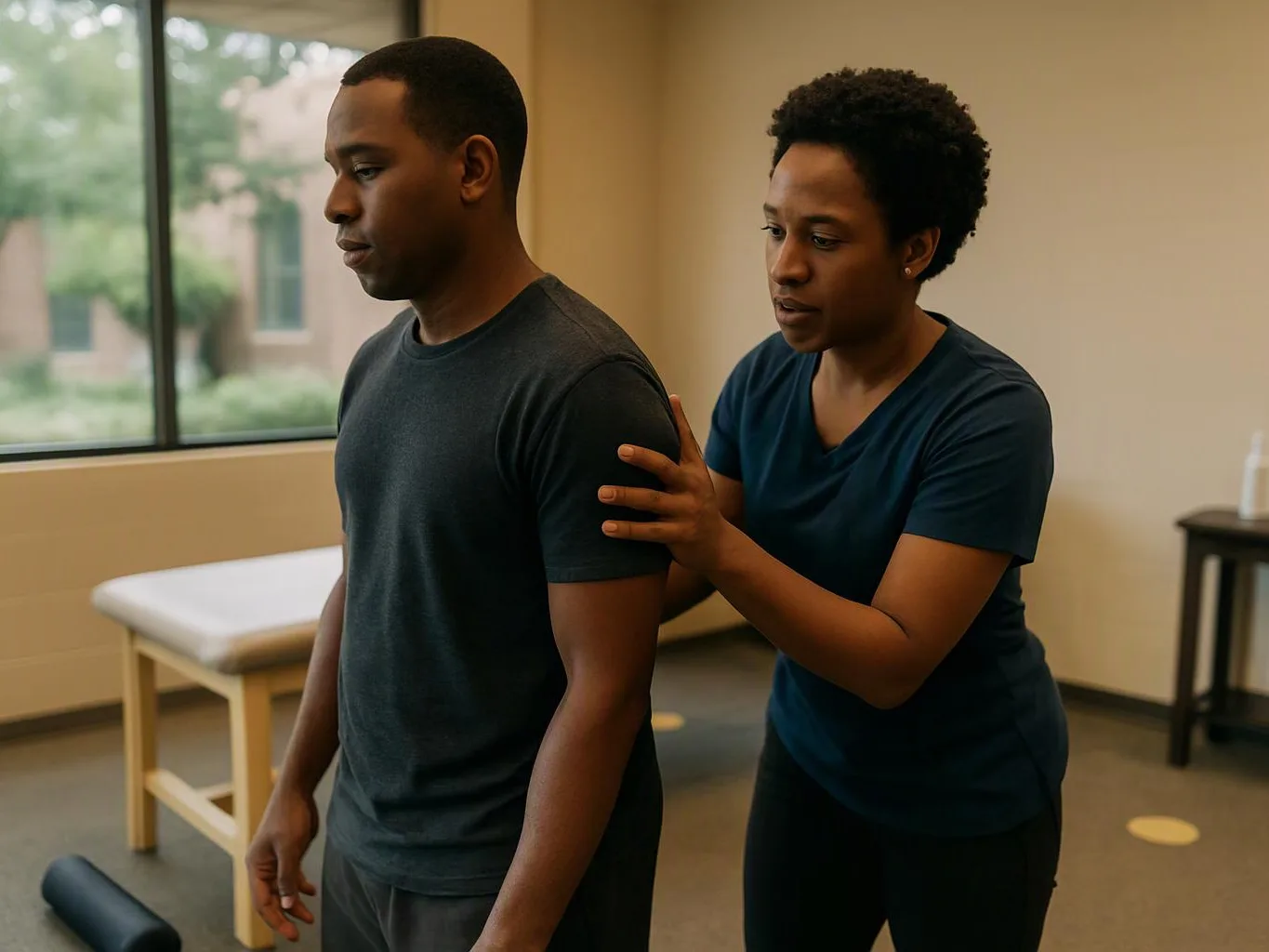
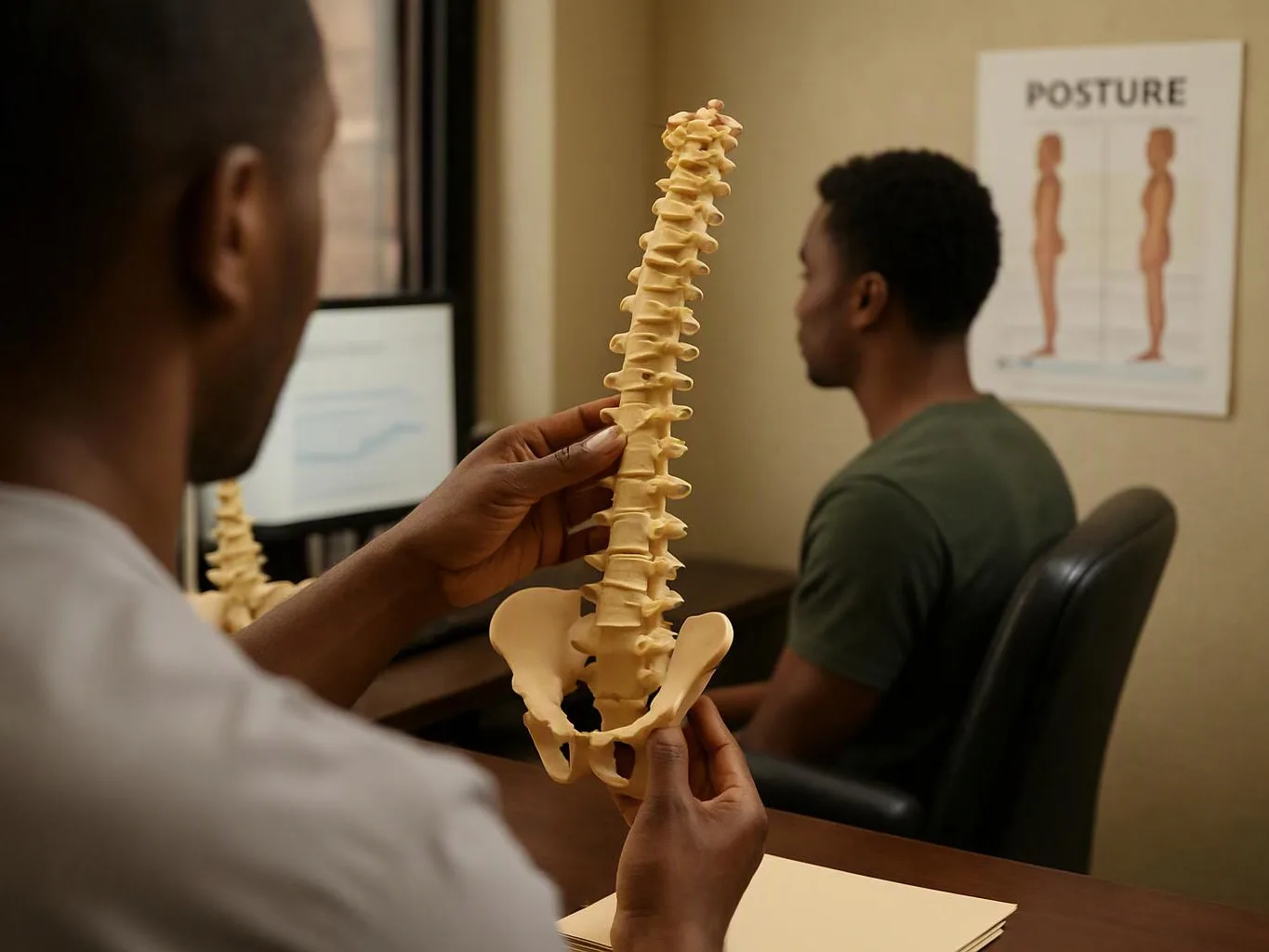
Physical examination evaluates auto accident injuries through symptom review, injury history, posture checks, and mobility testing. Arrowhead Clinic Chiropractor Atlanta explains the findings before care begins. Imaging referrals may be discussed when clinical findings call for more information. The assessment focuses on musculoskeletal concerns linked to the crash.
What should I bring to my first accident injury visit?
Accident details, current symptom notes, and health information help us prepare for the first visit. Bring any records you already have and note when pain changes with movement. A clear list of symptoms helps connect your daily concerns with the examination. We can then explain which care options fit the findings.
Which part of the accident decides the treatment scope?
The examination findings decide the treatment scope, not the vehicle damage alone. We review symptoms, injury history, mobility, posture, and daily limits before recommending care. A crash can affect more than one area, so we connect each complaint to movement and function. Imaging referral may be considered when the findings need more review.
When should I seek medical care after a crash?
Severe weakness, confusion, trouble breathing, loss of consciousness, or new numbness calls for urgent medical care. Chiropractic assessment addresses musculoskeletal concerns after urgent risks receive attention. Tell us about changes in pain, movement, sleep, or daily function during your consultation. We explain when another care path should come first.
Why might imaging referral be discussed?
Imaging referral may be discussed when examination findings need more information before care is planned. The decision can relate to symptoms, movement limits, injury history, or signs that require further review. We explain the reason for the referral and how it relates to the next step. We do not use imaging as a substitute for a full health history.
Which treatment methods may follow the assessment?
Chiropractic adjustments, spinal care, posture work, corrective exercises, or soft tissue therapy may follow the assessment. The plan depends on your symptoms, goals, and movement findings. We explain each recommended method before treatment. Individual response differs, so progress re-examination helps guide later care.
How does care move from the first call to the last step?
The care process moves from consultation to intake, examination, findings review, treatment planning, and progress re-examination. Your injury history and mobility findings shape the discussion. We explain what the plan includes before care starts. Later reviews help us discuss whether the plan still fits your symptoms and goals.