How are auto accident injuries evaluated?
Imaging referrals follow the injury history, physical examination, and mobility findings. Arrowhead Clinic Chiropractor Atlanta first asks about the collision and symptoms. We then assess posture, spinal movement, and affected joints. If the findings support added evaluation, we explain why an imaging referral may help before discussing a personalized treatment plan.
What should be checked before care is scheduled?
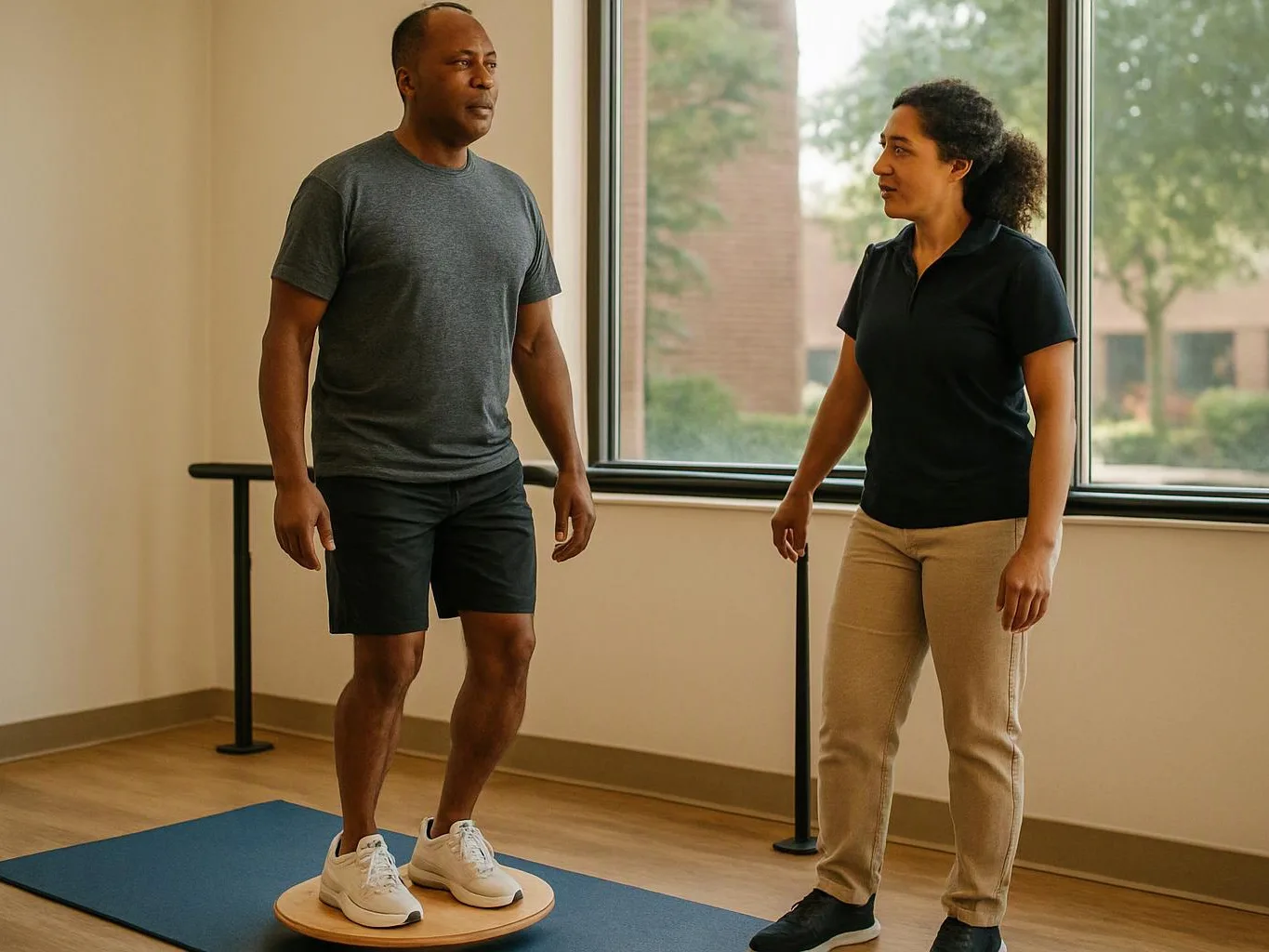
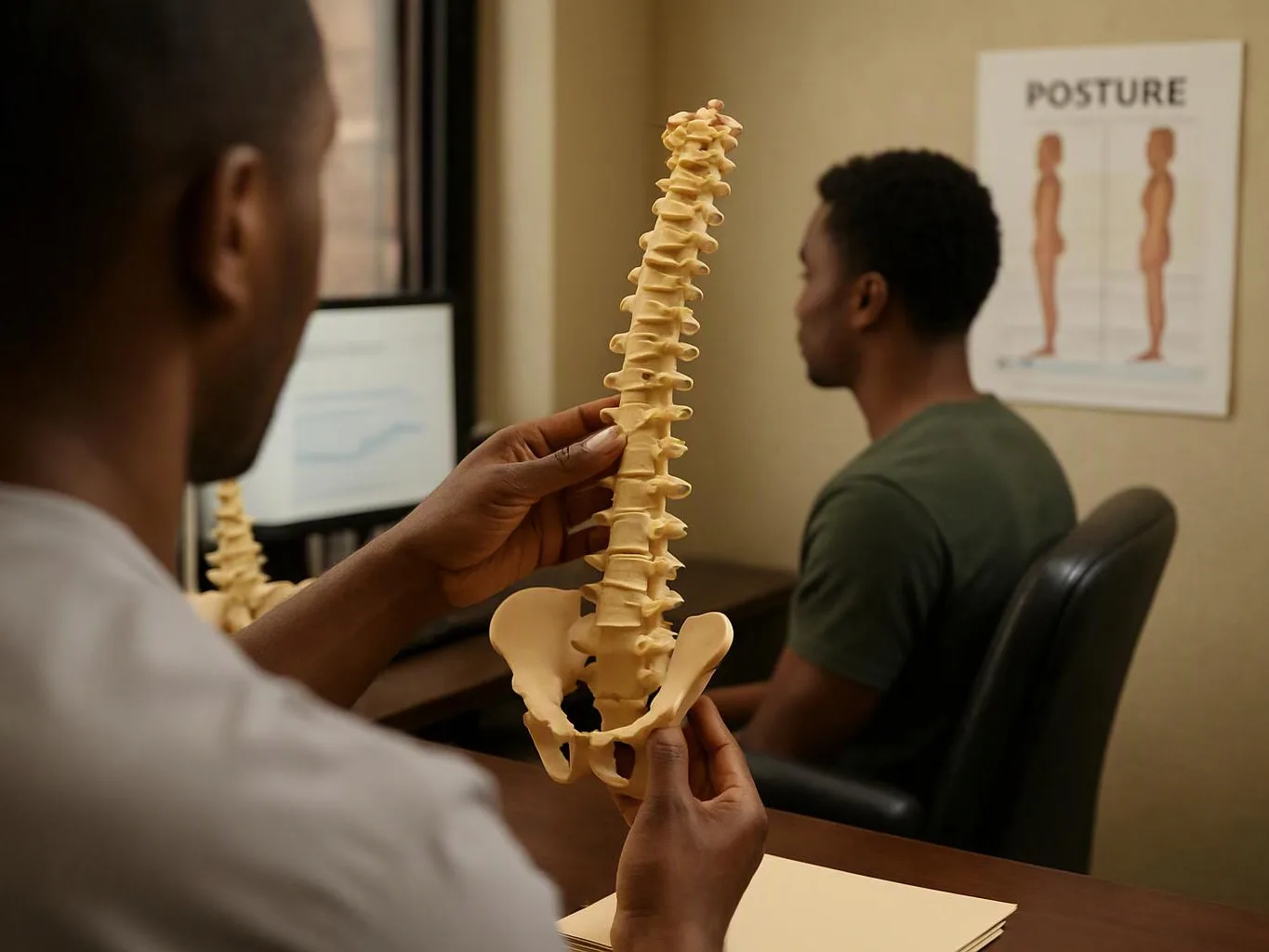
The injury history should be checked before care is scheduled. We ask about the crash, symptom onset, past health concerns, and daily movement limits. A physical examination then helps us assess posture and joint function. Bring available medical notes or imaging reports so the consultation starts with useful information.
Who is a good fit for auto accident injury care?
People with crash-related musculoskeletal symptoms may fit chiropractic care after an assessment. Back pain, neck pain, whiplash, headaches, sciatica, and joint discomfort are concerns we review. Serious symptoms that need urgent medical attention require medical care first. Our team explains the appropriate next step after examining your condition.
What happens at each stage of treatment?
The process starts with an injury history, followed by a physical examination and mobility testing. We then discuss any imaging referral supported by the findings. A personalized treatment plan may include chiropractic adjustments, spinal care, posture work, or corrective exercises. We explain each recommendation before care begins.
When should I bring accident records to an appointment?
Accident records should come to the first consultation whenever they are available. Medical notes, imaging reports, and symptom details can help connect the collision with current concerns. Our team reviews those records alongside the physical examination. Missing records do not replace the assessment, but they can add useful context.
Which symptoms should be mentioned during the assessment?
Neck pain, back pain, headaches, numbness, weakness, dizziness, and movement limits should be mentioned during the assessment. Symptom timing matters because it helps us understand changes after the crash. Describe what makes each symptom worse or better. We use that information with posture and mobility findings.
Why might an imaging referral be discussed?
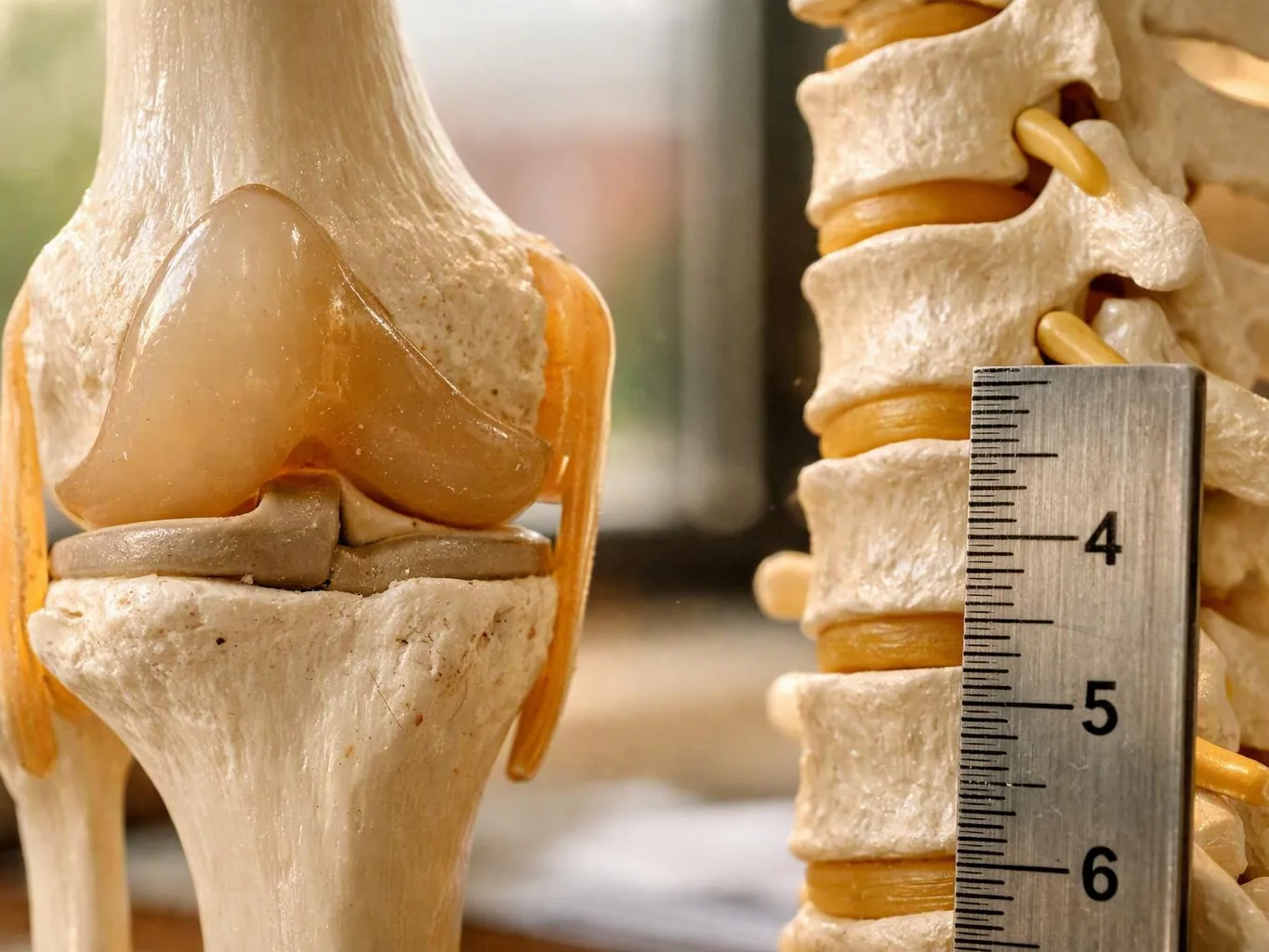
An imaging referral may be discussed when examination findings raise a need for added evaluation. The referral question depends on symptoms, movement changes, and the health history. We explain what the referral is meant to assess. Chiropractic care can then be considered alongside the information available.