How are auto accident injuries evaluated?
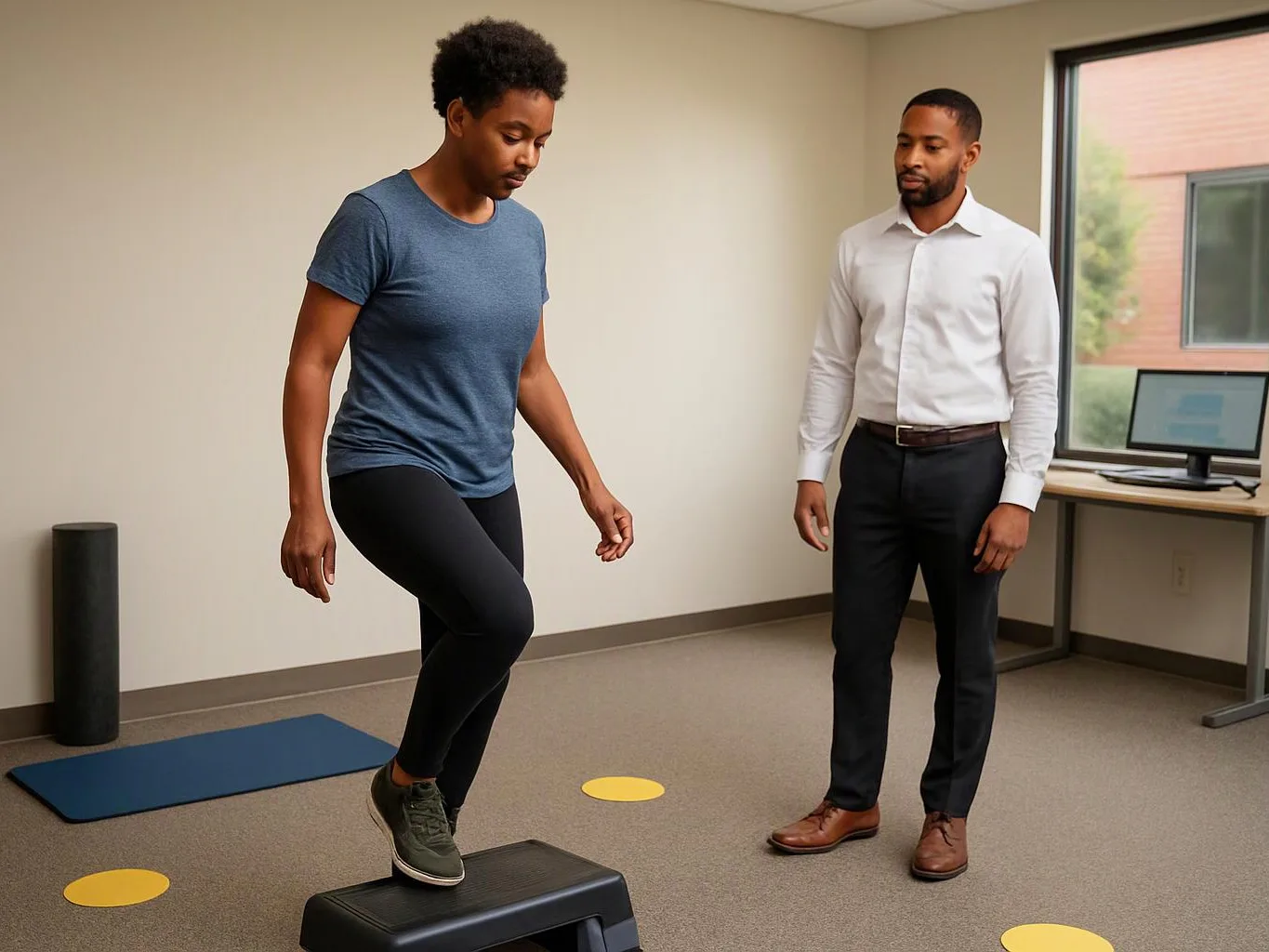
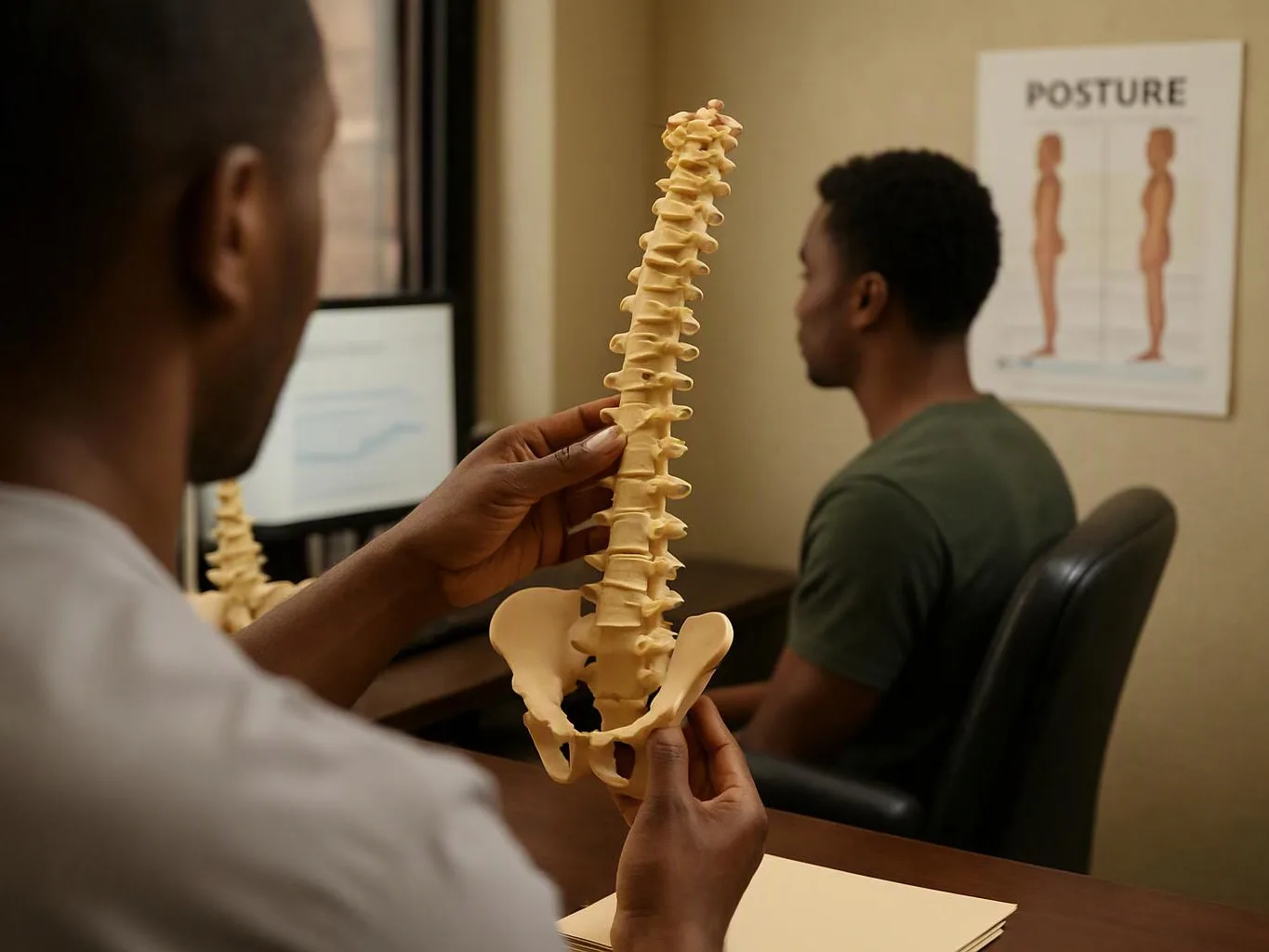
Physical examination evaluates auto accident injuries through injury history, mobility testing, posture review, and symptom discussion. Arrowhead Clinic Chiropractor Atlanta uses those findings to discuss suitable chiropractic care. Imaging referrals may be considered when the history or examination supports further review. The visit focuses on how the collision relates to current movement limits and pain.
What should be checked before care is scheduled?
The injury history and current symptoms should be checked before care is scheduled. We ask about the collision, symptom onset, prior concerns, and daily movement limits. Mobility testing and posture review add useful detail. Bring crash information and note changes in pain, stiffness, headaches, or movement so the consultation starts with clear facts.
Who is a good fit for this type of care?
People with crash-related musculoskeletal pain or movement concerns may fit this care. Neck pain, back pain, whiplash, headaches, and joint discomfort are common reasons for assessment. Our team explains when chiropractic care fits the findings. Severe symptoms that need immediate medical evaluation require a different service.
What happens during the first visit after whiplash?
The first visit reviews the crash history, symptoms, posture, and neck mobility. A new patient intake gives our team context before treatment is discussed. We explain the findings and possible options, which may include spinal care, chiropractic adjustments, or corrective exercises. Imaging referrals are considered when clinical findings support them.
Which records should I bring to the consultation?
Crash details, prior imaging, medical records, and a list of current symptoms can help the consultation. The injury history remains useful even when records are limited. Note when pain, stiffness, headaches, or numbness began. Our team uses that information with mobility findings to explain the next care step.
Why might imaging referrals be discussed?
Imaging referrals may be discussed when symptoms or examination findings need more review. A referral is not automatic for every chiropractic visit. We first consider the injury history, mobility findings, posture, and reported symptoms. That review helps determine whether further information would affect the care plan.
How does the care plan change after progress review?
A progress re-examination checks whether movement findings and symptoms have changed. The care plan may then continue, change focus, or require another clinical discussion. We compare current findings with the earlier assessment and explain the reason for any adjustment, exercise, or spinal care recommendation.