How are headaches evaluated before treatment?
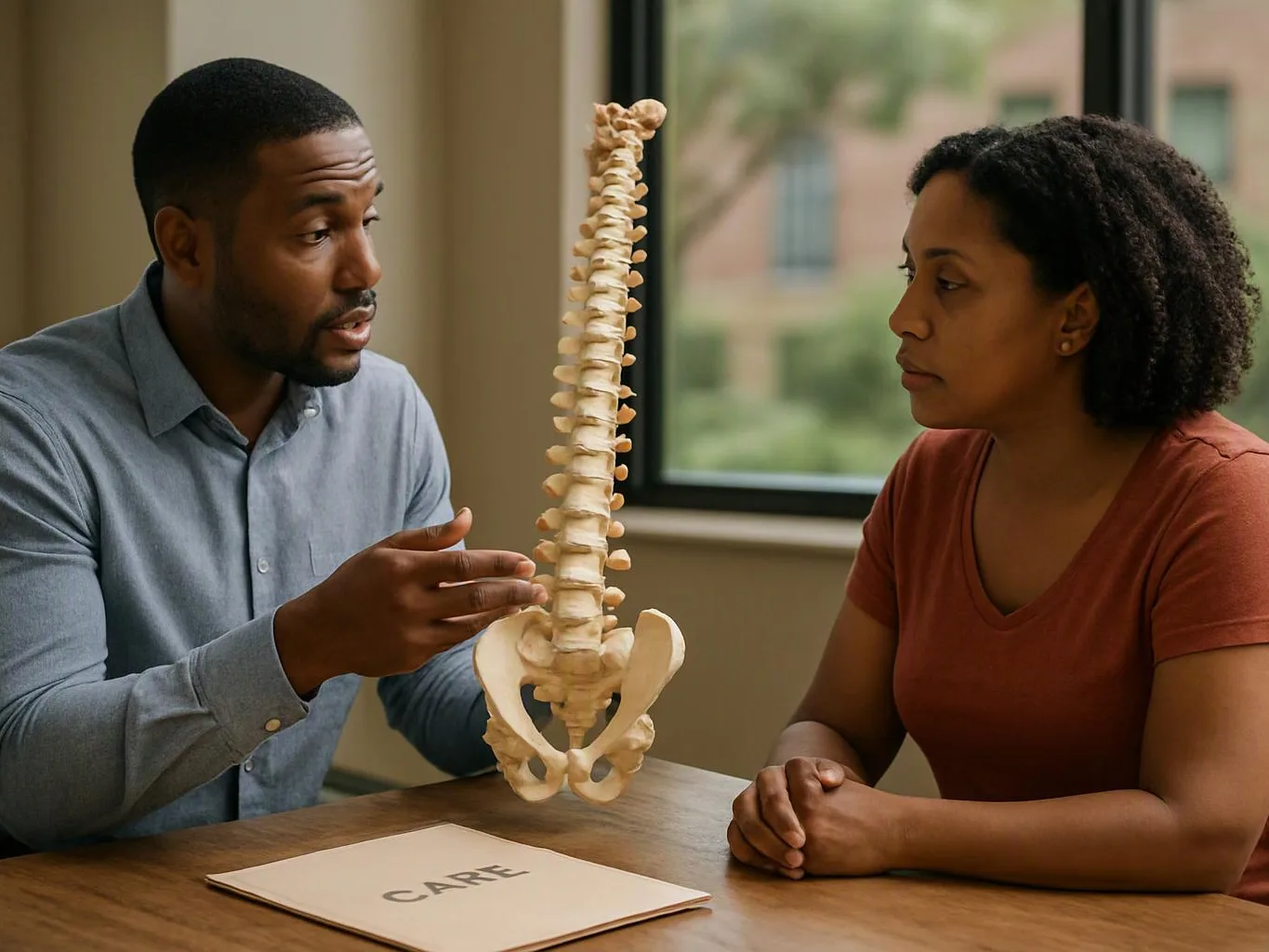
Pain location, headache patterns, medical history, and neurological signs guide the evaluation. Arrowhead Clinic Chiropractor Atlanta begins with a new patient intake and exam before recommending care. The assessment may also review posture, neck movement, prior injuries, and daily habits. We explain the findings before discussing a personalized treatment plan.
What should be ready before headache care starts?
Health history and symptom details should be ready before care starts. Bring a list of current concerns, past injuries, relevant records, and questions about your goals. Notes about headache patterns, sleep, posture, and neck movement can help our team understand the issue. We’ll use the intake and exam to guide the discussion.
Which warning signs need medical evaluation first?
Sudden, severe, or unusual headache symptoms need medical evaluation before chiropractic care. New neurological changes, fainting, confusion, or symptoms after a serious injury also require prompt attention. Our team reviews the information you share, but a chiropractic visit doesn’t replace urgent medical care.
Why does posture matter during a headache assessment?
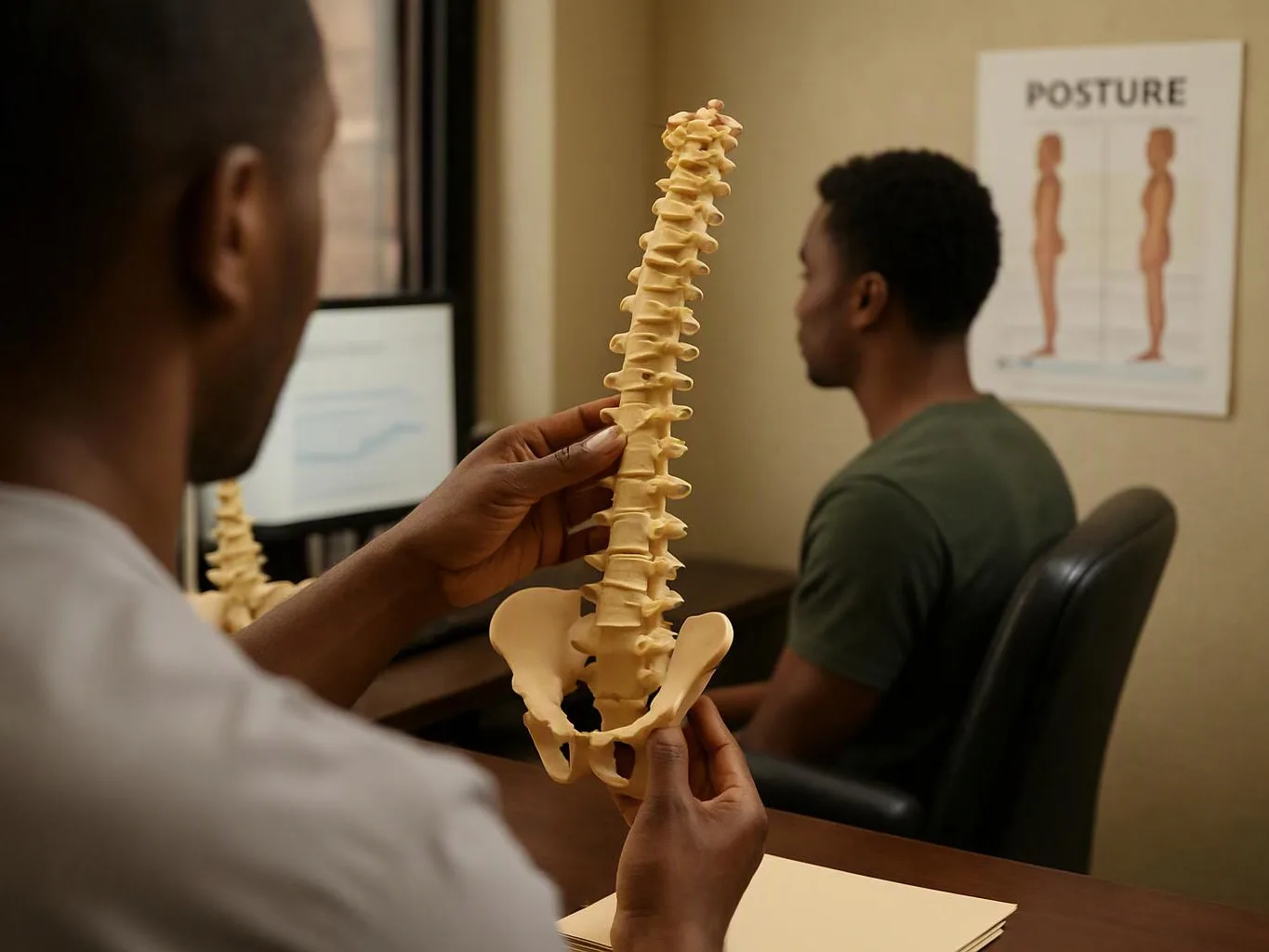
Posture matters because sustained positions can affect neck movement and muscle strain. Our posture evaluation looks at how you sit, stand, and move during daily tasks. These findings may shape exercise or spinal care recommendations. They don’t identify every cause of headaches, so health history remains part of the assessment.
What should I ask before agreeing to headache care?
Treatment goals, expected steps, possible limits, and follow-up review are useful questions to ask first. Ask how the exam findings support the recommended plan and which symptoms should prompt medical care. Our team explains the purpose of adjustments, posture work, or exercises before treatment begins.
Which part of the assessment changes the care plan?
Exam findings change the care plan when they show different movement limits, symptom patterns, or health concerns. The intake, posture review, neurological screening, and medical history each add context. Our team uses that combined picture to choose suitable care and explain when another evaluation is more appropriate.
Can I see a chiropractor after an auto accident?
Auto accident patients can request an assessment for headaches, whiplash, neck pain, or related movement concerns. The intake records the accident and current symptoms, while the exam checks function and neurological signs. Bring any available medical records, and we’ll explain whether chiropractic care fits the findings.