Sports Injury Pain: A Checklist Before Returning to Activity
Sports injury back and neck pain should be assessed before returning to activity when pain persists, movement is limited, symptoms worsen, or red flags appear; Arrowhead Clinic Chiropractor Atlanta evaluates the injury history, symptoms, movement, and functional readiness.
Written by Dr. Clifton Weldon
Request an Estimate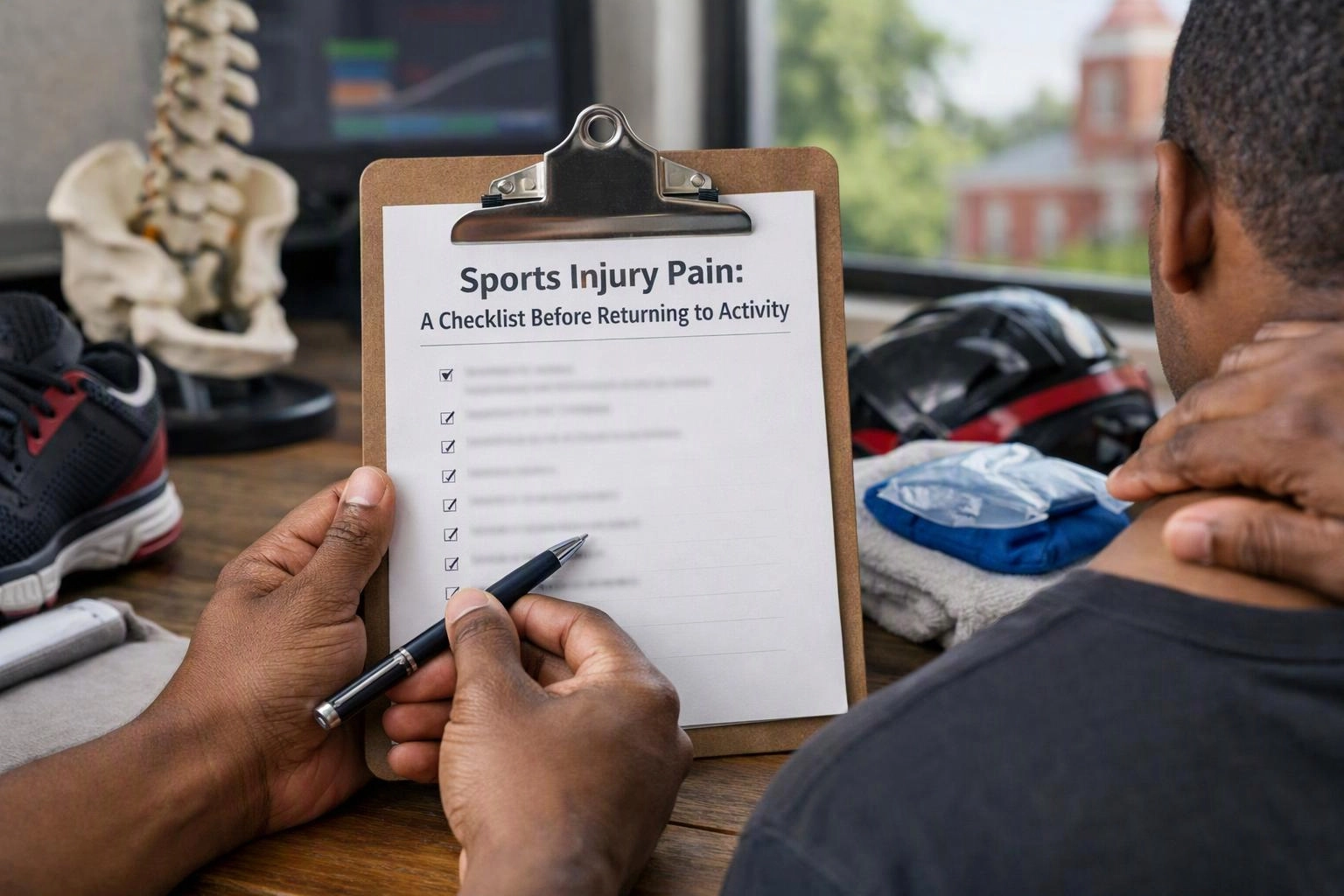
When Should Back or Neck Pain After a Sports Injury Be Assessed?
Back or neck pain after a sports injury should be assessed before activity when symptoms are severe, worsening, persistent, or associated with neurological or systemic warning signs.
Sports injury pain can involve the muscles, joints, spine, or nerves. Stop the activity and arrange a clinical assessment when pain with movement, stiffness, or limited range of motion makes normal movement difficult.
We also recommend activity modification when symptoms increase during practice or competition. Arrowhead Clinic Chiropractor Atlanta reviews the injury history and examines movement before discussing a safe return to activity.
Before You Return: Check the Injury and Your Symptoms
Before returning to activity, use this checklist to record what happened and how your body responds at rest and with gentle movement.
Your notes help us understand the injury mechanism and identify changes that may need further assessment.
Which Sports Injury Symptoms Need Urgent Evaluation?
Urgent evaluation is needed for new weakness, significant numbness, loss of coordination, loss of bladder or bowel control, or severe worsening pain.
These symptoms can signal more than a simple muscle strain or joint sprain. Stop sports activity and seek urgent medical care when any red flag appears.
During the Activity Check: Test Function Without Pushing Through Pain
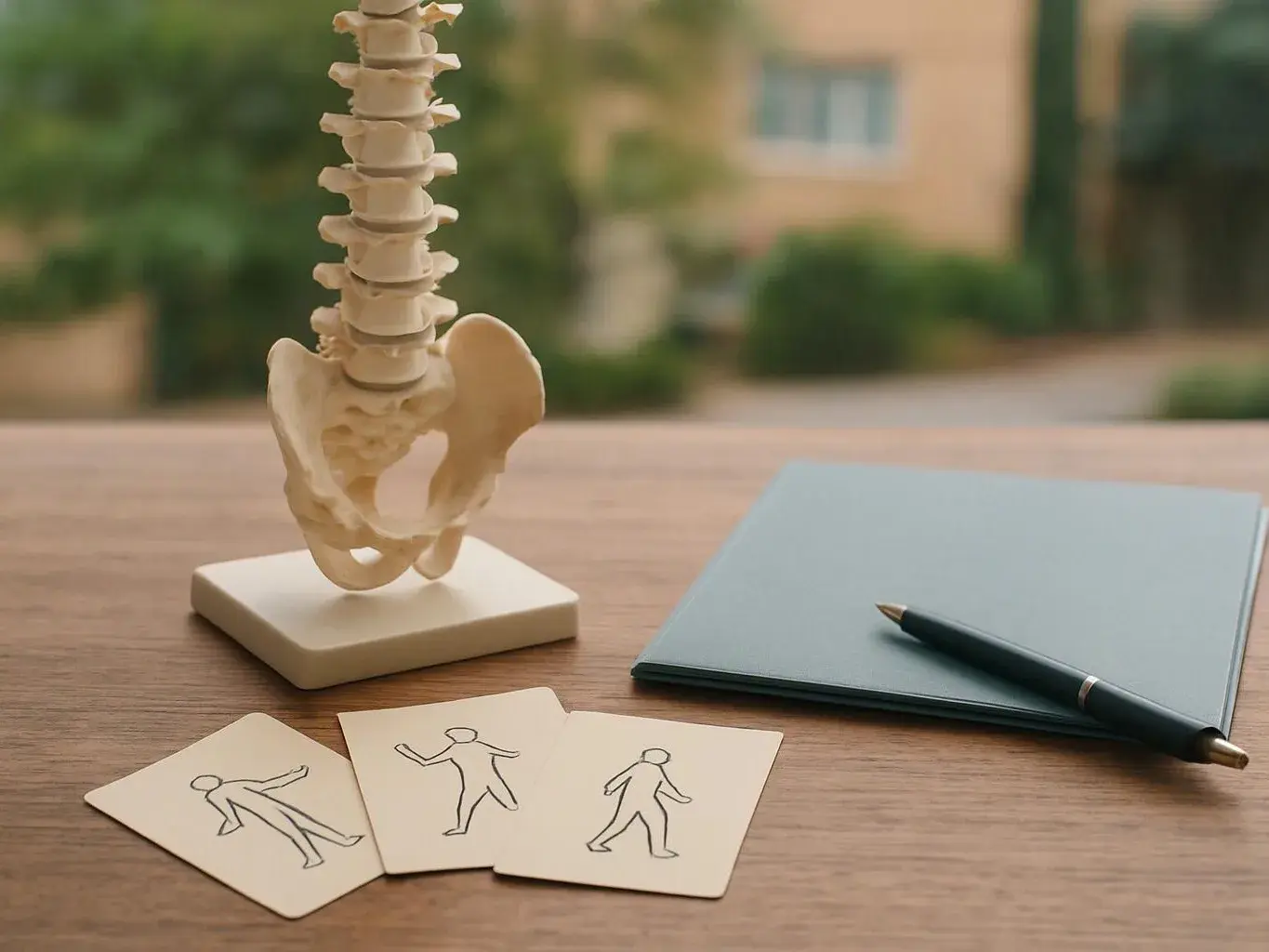
Functional movement should be checked gently and stopped when pain increases, movement quality changes, or symptoms spread.
The goal is not to prove that you can tolerate pain. The goal is to observe functional readiness while monitoring symptoms.
What Should You Tell Us About How the Injury Happened?
Injury mechanism details help Arrowhead Clinic Chiropractor Atlanta connect the movement or impact with your symptoms.
Tell us whether the injury involved contact, a fall, a twisting motion, a direct impact, or repetitive stress. Describe when symptoms began, where they started, and how they changed after the activity stopped.
Also explain which movements increase or relieve symptoms. Include any previous injury to the same area because prior problems can affect movement and recovery monitoring.
For more guidance on warning signs, the guide “Lower Back Pain: Symptoms That Mean It’s Time to Get Evaluated” can help you organize questions about back pain after injury.
After the Check: Decide Whether to Stop, Modify, or Resume Activity
Return to activity should follow your symptoms, movement quality, and functional readiness instead of a desire to finish practice.
Use the steps below to decide what to do next and when a follow-up assessment is appropriate.
How We Assess Sports Injury Back and Neck Pain
Sports injury treatment begins with the injury history, symptom pattern, spinal movement, and functional limitations.
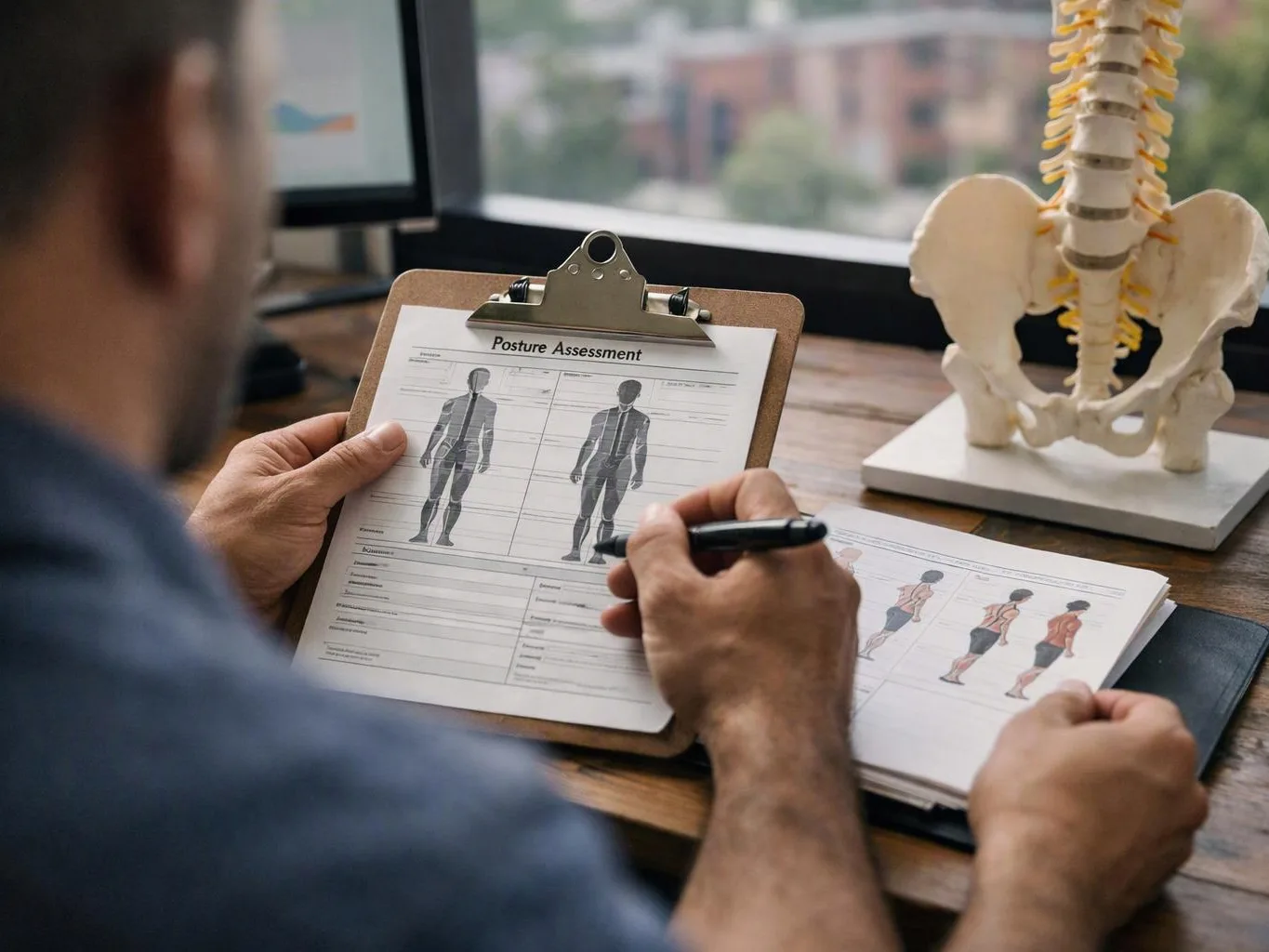
Our team observes posture, spinal movement, muscle function, joint mobility, and the way symptoms change with controlled movement. We use these findings to guide care for sports-related back pain, sports-related neck pain, and other musculoskeletal injuries.
Depending on the assessment, our recommendations may include a chiropractic adjustment, activity modification, or corrective exercise therapy. We explain the purpose of each part of care and monitor how your symptoms respond.
Our Sports Injury Treatment approach focuses on functional readiness, symptom monitoring, and a return to activity that respects your current movement.
What Happens When You Contact Arrowhead Clinic Chiropractor Atlanta?
Arrowhead Clinic Chiropractor Atlanta discusses your symptoms and injury history, explains the recommended care, provides upfront pricing, and offers same-day service when available.
We review what caused the injury, what movements are limited, and whether warning signs require medical attention. Our team then explains whether sports injury treatment, chiropractic adjustment, corrective exercise therapy, or another next step fits your assessment.
Free Consultations are available for discussing your concern. Contact us to arrange an assessment and learn what your care plan includes.
Questions About Returning to Activity After Sports Injury Pain
Should I avoid sports until my back pain is assessed?
Yes, avoid sports when back pain persists, worsens, limits movement, or appears with weakness, numbness, tingling, or other warning signs. Arrowhead Clinic Chiropractor Atlanta assesses the injury history and functional movement before advising a return to activity.
Can neck pain after a sports impact be a reason to stop activity?
Yes, neck pain after impact is a reason to stop activity when pain is severe, worsening, or linked with limited movement, weakness, numbness, tingling, or coordination changes. Seek urgent evaluation when serious warning signs appear.
What information should I bring to a sports injury appointment?
Bring the injury mechanism, symptom onset, pain location, movement limits, activity changes, previous injuries, and any neurological symptoms. These details help us understand what happened and assess functional readiness.
Can chiropractic adjustment be part of sports injury treatment?
Yes, chiropractic adjustment can be part of sports injury treatment when our assessment supports it. We may also recommend activity modification and corrective exercise therapy based on your symptoms, movement, and functional needs.
Written by Dr. Clifton Weldon