Signs You May Need a Chiropractic Adjustment
Signs you may need a chiropractic adjustment can include recurring pain, stiffness, limited range of motion, posture changes, and movement discomfort; Arrowhead Clinic Chiropractor Atlanta evaluates your symptoms, spinal alignment, and movement before recommending care.
Request an EstimateWhat Does a Chiropractic Adjustment Address?
Chiropractic adjustment is a manual treatment that applies controlled force to improve the movement of a spinal or other musculoskeletal joint. Arrowhead Clinic Chiropractor Atlanta reviews how the spinal joint moves before we decide whether this form of care fits your symptoms.
An adjustment may address reduced joint mobility within the musculoskeletal system. Our team considers the relationship between the spine, muscles, ligaments, and nervous system while building a conservative care plan.
A spinal adjustment may involve a cervical, thoracic, or lumbar area when the examination supports that approach. We use the findings from your assessment to explain the recommended treatment and its purpose.
Chiropractic Adjustment is one option we may discuss after reviewing your symptoms and movement.

Signs You May Need a Chiropractic Adjustment
The signs that may justify a chiropractic evaluation include recurring pain, stiffness, restricted movement, posture changes, and discomfort that returns during daily activities. These signs do not confirm a specific cause, so we assess the pattern before recommending care.
Our movement assessment helps separate a short-term complaint from a recurring pattern. We also ask about back stiffness, neck stiffness, joint restriction, and symptoms that change with activity.
How We Determine Whether an Adjustment Fits Your Symptoms
We determine whether a chiropractic adjustment fits your symptoms by reviewing your history and checking posture, movement, range of motion, and areas of discomfort. Our team uses that information to shape a chiropractic care plan that matches your needs.
Your symptom history helps us understand when the pain began, what activities affect it, and whether the problem keeps returning. We combine those details with a posture assessment and a physical check of spinal alignment.
A range-of-motion assessment shows how comfortably each area moves. Our movement assessment also looks for uneven motion, muscle tension, and patterns that may contribute to the complaint.
We explain the findings in plain language before discussing treatment options. A chiropractic adjustment may be included when the examination supports it, but the care plan may also include movement guidance or other conservative steps.
When Posture Correction or Corrective Exercise May Be Part of Care
Posture Correction and Corrective Exercise Therapy may support an adjustment when daily positioning, muscle imbalance, or movement patterns contribute to recurring symptoms. We look at how you sit, stand, lift, and move during normal activities.
Ergonomics may matter when a desk, workstation, or repeated task keeps the body in one position. Our team can discuss practical changes that support better alignment and comfortable movement.
Corrective exercise may address core stability, mobility, or a movement pattern that places extra demand on a joint. We select exercises according to your assessment and explain how they fit the broader care plan.
Posture work does not replace a symptom evaluation. We use it with other findings to decide whether an adjustment, exercise, or another next step is appropriate.
What You Can Do Yourself and When to Call Us
You can use gentle movement, comfortable positioning, and symptom tracking for minor discomfort, while we assess recurring or movement-limiting symptoms at Arrowhead Clinic Chiropractor Atlanta. Self-care should stay comfortable and should not increase pain or neurological symptoms.
The table below shows how simple self-care may fit with a chiropractic evaluation. We use your reported symptoms and examination findings to decide whether a chiropractic adjustment belongs in the next step.
| Factor | What you can do yourself | What we do |
|---|---|---|
| Self-care | Use comfortable positioning and avoid movements that clearly worsen symptoms. | We review the pattern and discuss whether conservative care is appropriate. |
| Gentle movement | Move within a comfortable range and stop if symptoms increase. | We assess range of motion and movement quality. |
| Ergonomic changes | Adjust your sitting or work position to reduce strain. | We connect daily positioning with posture and symptom patterns. |
| Symptom tracking | Note activities that bring on pain, stiffness, or limited movement. | We use that history during the chiropractic evaluation. |
| Recurring or limiting symptoms | Contact our team when discomfort keeps returning or limits normal activity. | We determine whether an adjustment or another care option fits the findings. |
When Symptoms Need Medical Attention Before Chiropractic Care
Severe or sudden symptoms, symptoms after significant trauma, or neurological changes require prompt medical evaluation before chiropractic care. These warning signs can involve conditions that need urgent medical assessment.
Seek prompt medical attention for severe or sudden pain, numbness, weakness, or loss of coordination. Loss of bladder or bowel control also requires immediate medical attention.
Our team can help with next-step guidance after urgent concerns have been assessed. Do not delay medical care while waiting for a chiropractic appointment when these symptoms are present.
What to Expect at an Initial Chiropractic Evaluation
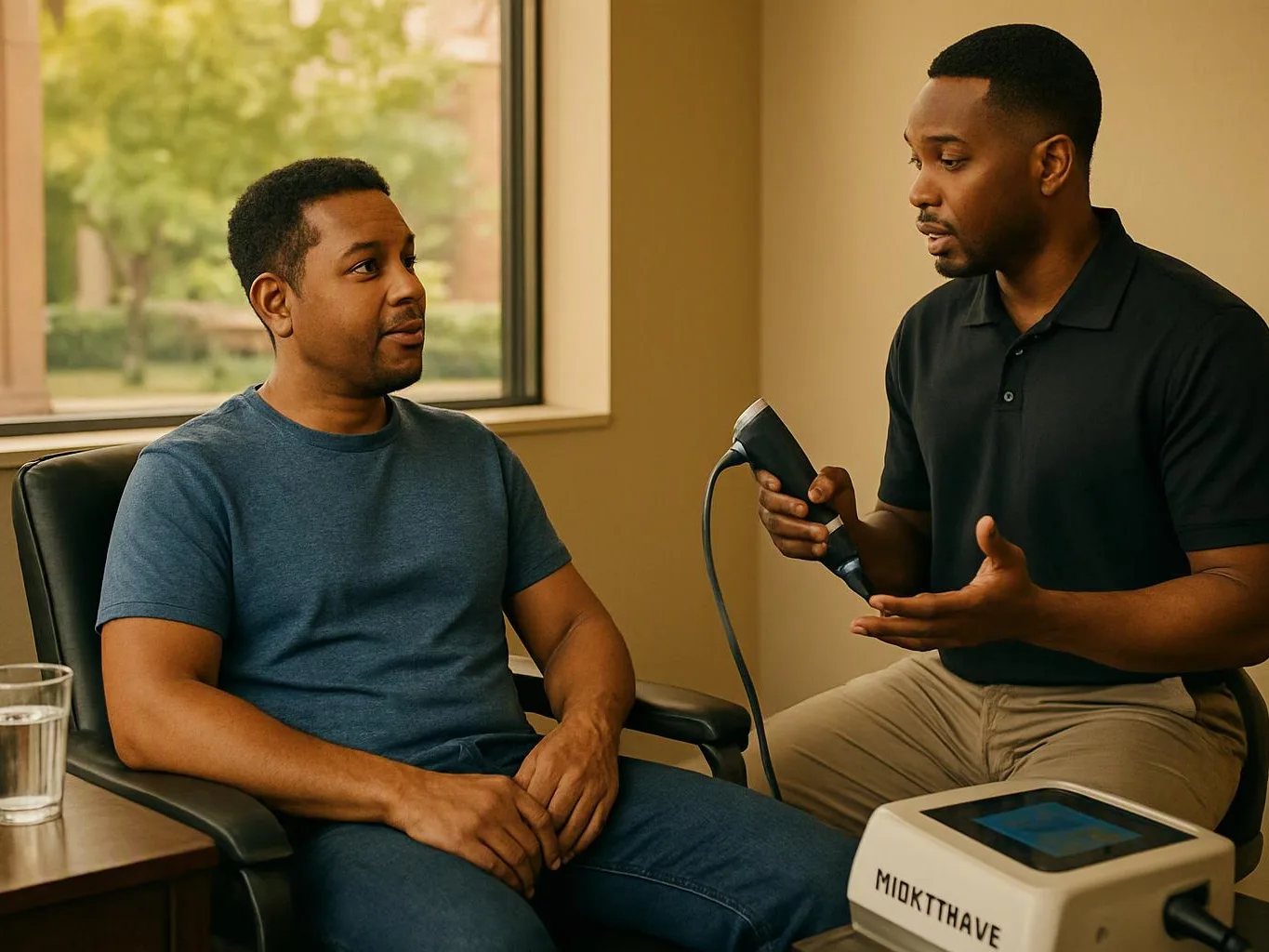
An initial chiropractic evaluation reviews your symptoms and movement so we can explain whether an adjustment, posture work, corrective exercise, or another next step is appropriate. Arrowhead Clinic Chiropractor Atlanta begins with an initial consultation focused on your concerns and goals.
During the symptom review, we ask about onset, activity triggers, prior injuries, and changes in pain or stiffness. The physical assessment may include posture, spinal alignment, range of motion, and movement quality.
We explain the treatment options supported by the examination. Those options may include a chiropractic adjustment, Posture Correction, or Corrective Exercise Therapy.
Free Consultations are available for discussing your concerns and possible next steps. Contact our team to request an evaluation and learn what your care plan may include.
Questions About Chiropractic Adjustment Signs
Can I adjust my own back or neck?
Self-adjusting your back or neck can aggravate pain or miss an underlying problem, so Arrowhead Clinic Chiropractor Atlanta recommends an evaluation before forceful manipulation. We assess movement and symptoms before discussing safe care options.
Can a chiropractic adjustment help with posture?
Yes, a chiropractic adjustment may support posture when restricted movement or joint discomfort affects how you hold your body. We may also include posture work, ergonomic guidance, or corrective exercise when those factors contribute to the pattern.
Should I see a chiropractor for recurring stiffness?
Yes, recurring stiffness may justify a chiropractic evaluation when it affects movement or returns during daily activities. We review the symptom history, posture, range of motion, and movement pattern before recommending care.
What should I do if pain or numbness follows an injury?
Pain or numbness that follows an injury should receive prompt medical evaluation before chiropractic care, especially when symptoms are severe, sudden, or worsening. Seek urgent attention for weakness, loss of coordination, or loss of bladder or bowel control.
Related Resources
Choosing a Chiropractor in Atlanta: What to Compare Before You Book
Brand vs BrandBefore You Book Arrowhead Clinic: Insurance and Self-Pay Questions
Brand vs BrandChiropractic Adjustment Companies Worth Comparing in Atlanta (2026)
Compared ToPay-Per-Visit Chiropractic Care vs Packages and Memberships