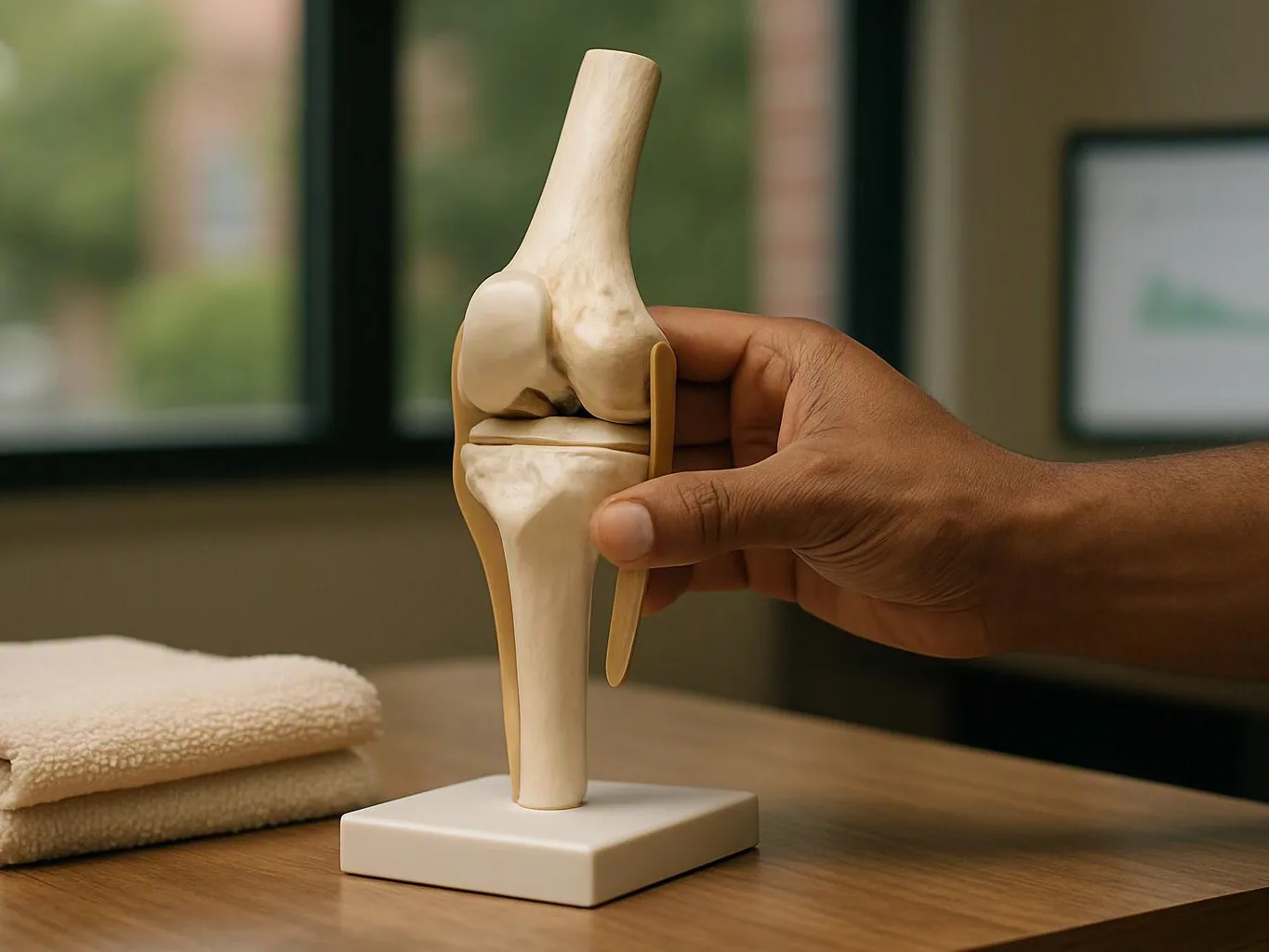
Shockwave Therapy vs. Chiropractic Care: Questions to Ask Before Choosing
Shockwave therapy vs. chiropractic care depends on the condition, treatment goal, examination findings, and preferred care plan. Arrowhead Clinic Chiropractor Atlanta evaluates whether shockwave therapy, chiropractic treatment, or a combined approach fits the patient. We review the affected tissue, movement limits, treatment suitability, cost drivers, and how progress will be reassessed.
Request an EstimateOptions at a Glance
Shockwave therapy and chiropractic care can support different treatment goals. The best fit depends on the clinical examination and the type of care the patient wants to pursue.
How Do Shockwave Therapy and Chiropractic Care Differ?
Shockwave therapy uses targeted acoustic energy, while chiropractic care uses assessment and hands-on or movement-based strategies to address musculoskeletal problems.
Shockwave therapy directs treatment toward selected tissues identified during assessment. Chiropractic treatment considers symptoms alongside joint function, movement patterns, and related physical activity.
We connect each recommendation to the patient’s treatment goals and examination findings. Our team also explains when focused care, broader care, or combined care is more suitable.
Shockwave Therapy vs. Chiropractic Care at a Glance
The better option depends on the diagnosis, the tissue or joint involved, the desired treatment approach, and how each plan addresses the patient’s goals. Cost drivers and session planning should be discussed before treatment begins.
| Factor | Shockwave Therapy | Chiropractic Care | Decision Point |
|---|---|---|---|
| Approach | Targeted acoustic energy applied to selected tissues | Assessment-led care that may include spinal or joint techniques, movement guidance, and related treatment strategies | Affected tissue and treatment goals |
| Cost | Depends on the treated area, clinical assessment, treatment plan, and planned sessions | Depends on the examination, selected services, treatment plan, and visit requirements | Services included and session planning |
| Timeline | Depends on the condition, tissue response, and treatment plan | Depends on the condition, examination findings, response to care, and treatment plan | Progress and reassessment |
| Maintenance | Follow-up decisions depend on symptoms, functional progress, and reassessment | Follow-up decisions depend on symptoms, movement, function, and reassessment | Ongoing clinical findings |
| Best for | Patients whose assessment supports focused shockwave treatment for a suitable musculoskeletal condition | Patients whose assessment supports a broader chiropractic approach to pain, mobility, or function | Treatment suitability |
What Are the Advantages of Shockwave Therapy?
Shockwave therapy may be useful when a focused, non-surgical treatment approach matches the affected tissue and the patient’s clinical goals. We use the clinical examination to decide whether the selected region is suitable for this approach.
Best for: Patients seeking a focused treatment option that fits the examination findings and the affected body region.
What Are the Advantages of Chiropractic Care?
Chiropractic care may be useful when the treatment plan needs broader assessment of movement, joint function, and related musculoskeletal factors. Our team connects the chiropractic examination to the patient’s pain, mobility, and functional limitations.
Best for: Patients who need an assessment-led plan that considers movement and related musculoskeletal factors.
Can Shockwave Therapy Be Part of a Chiropractic Care Plan?
Yes, shockwave therapy can be part of a chiropractic care plan when the examination supports combining focused treatment with broader musculoskeletal care.
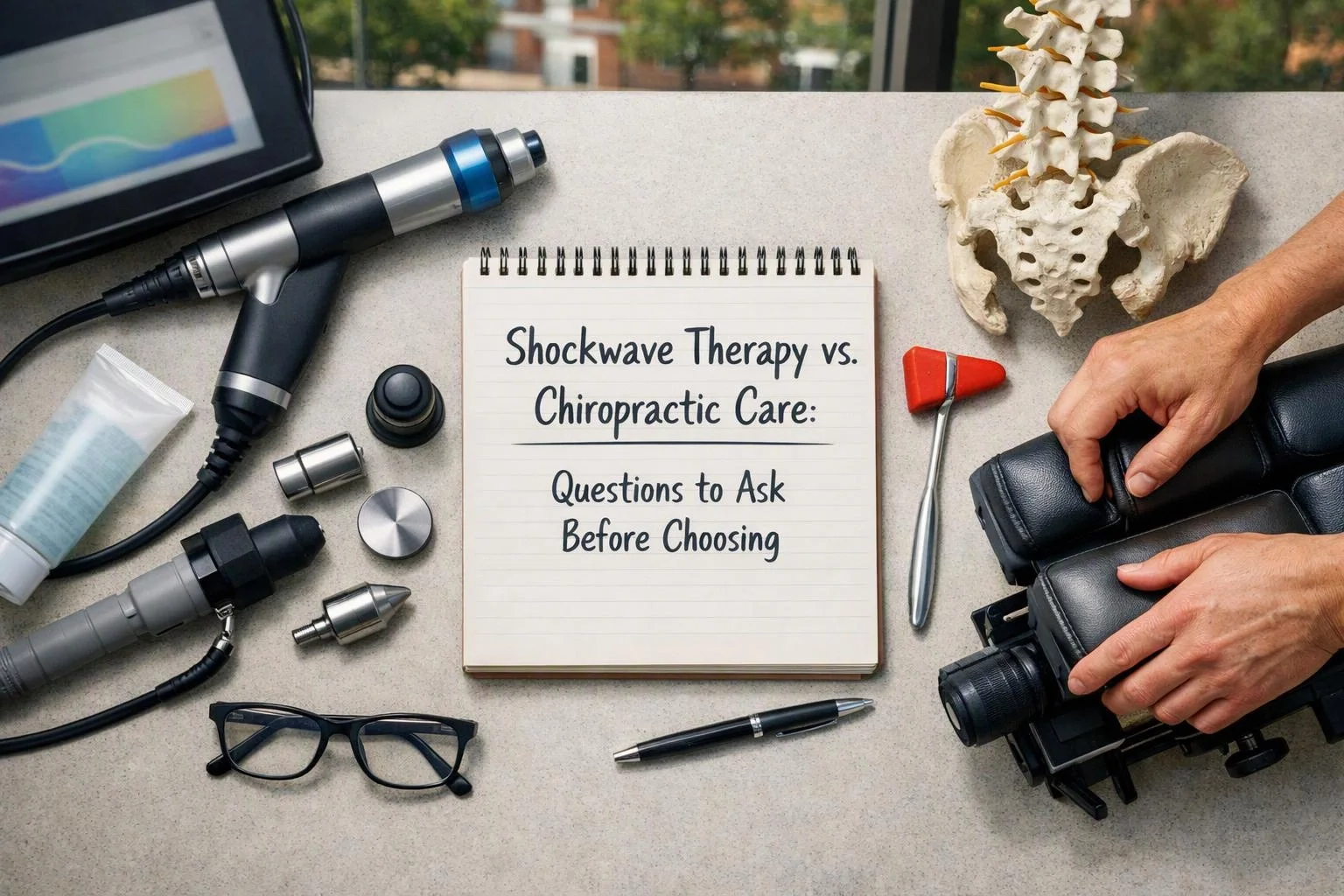
We review the symptoms, affected region, movement findings, and treatment goals before combining services. The plan should explain what each treatment is intended to address and how progress will be reassessed.
Our team may use Shockwave Therapy as one part of an individualized plan when the clinical findings support it.
What Should You Ask Before Choosing a Treatment Plan?
Ask how the examination supports the recommended treatment, what each session is intended to do, and how the plan will be reviewed. Clear questions help you understand treatment suitability and the expected role of each service.
How Do Session Plans and Payment Terms Affect the Decision?
Session plans and payment terms should be explained before care begins because the treatment area, services selected, reassessment needs, and planned visits influence the overall cost.
We explain what the proposed plan includes, which services are being considered, and which factors can change the cost. Arrowhead Clinic Chiropractor Atlanta offers Free Consultations, and our team can explain the available plan and how to obtain an exact quote before treatment begins.
Which Treatment Fits Plantar Fasciitis, Knee Pain, Shoulder Pain, or Hip Pain?
The suitable treatment depends on the affected region, suspected cause, examination findings, functional limitations, and patient goals.
We assess the painful region and related movement patterns before recommending care. For patients considering focused treatment, our Shockwave Therapy service explains how shockwave therapy can fit within an individualized chiropractic plan.
When Should You Reconsider the Initial Treatment Choice?
Reconsider the initial choice when symptoms, function, examination findings, or treatment response do not support continuing the original plan.
We review the plan when symptoms change, function does not improve as expected, or new findings appear. Our team can determine whether the current approach should be adjusted or whether further medical evaluation is appropriate.
Questions About Shockwave Therapy and Chiropractic Care
Can shockwave therapy and chiropractic care be used together?
Yes, shockwave therapy and chiropractic care can be used together when the clinical examination supports combined care. Arrowhead Clinic Chiropractor Atlanta explains what each service is intended to address and reassesses progress as the plan continues.
What should I ask about shockwave therapy for plantar fasciitis?
Ask whether the examination supports shockwave therapy for the affected tissue, what the treatment plan includes, how movement limitations will be addressed, and how progress will be reassessed.
What should I ask about shockwave therapy for knee pain?
Ask what tissue or joint problem the treatment is intended to address, whether movement findings support the plan, which services are included, and what symptoms should prompt reassessment.
What makes shockwave therapy unsuitable for some patients?
Shockwave therapy may be unsuitable when health factors, medications, injuries, implanted devices, examination findings, or treatment goals do not support it. We review these factors before recommending care.
What should a shockwave therapy quote include?
A shockwave therapy quote should explain the treatment area, clinical assessment, selected services, session plan, reassessment needs, and payment terms. We can explain these cost drivers and provide an exact quote after reviewing the proposed plan.
Arrowhead Clinic Chiropractor Atlanta can review your symptoms, examination findings, treatment goals, and available care options. Contact our team to discuss the plan and obtain an exact quote.