What can make sciatic pain worse?
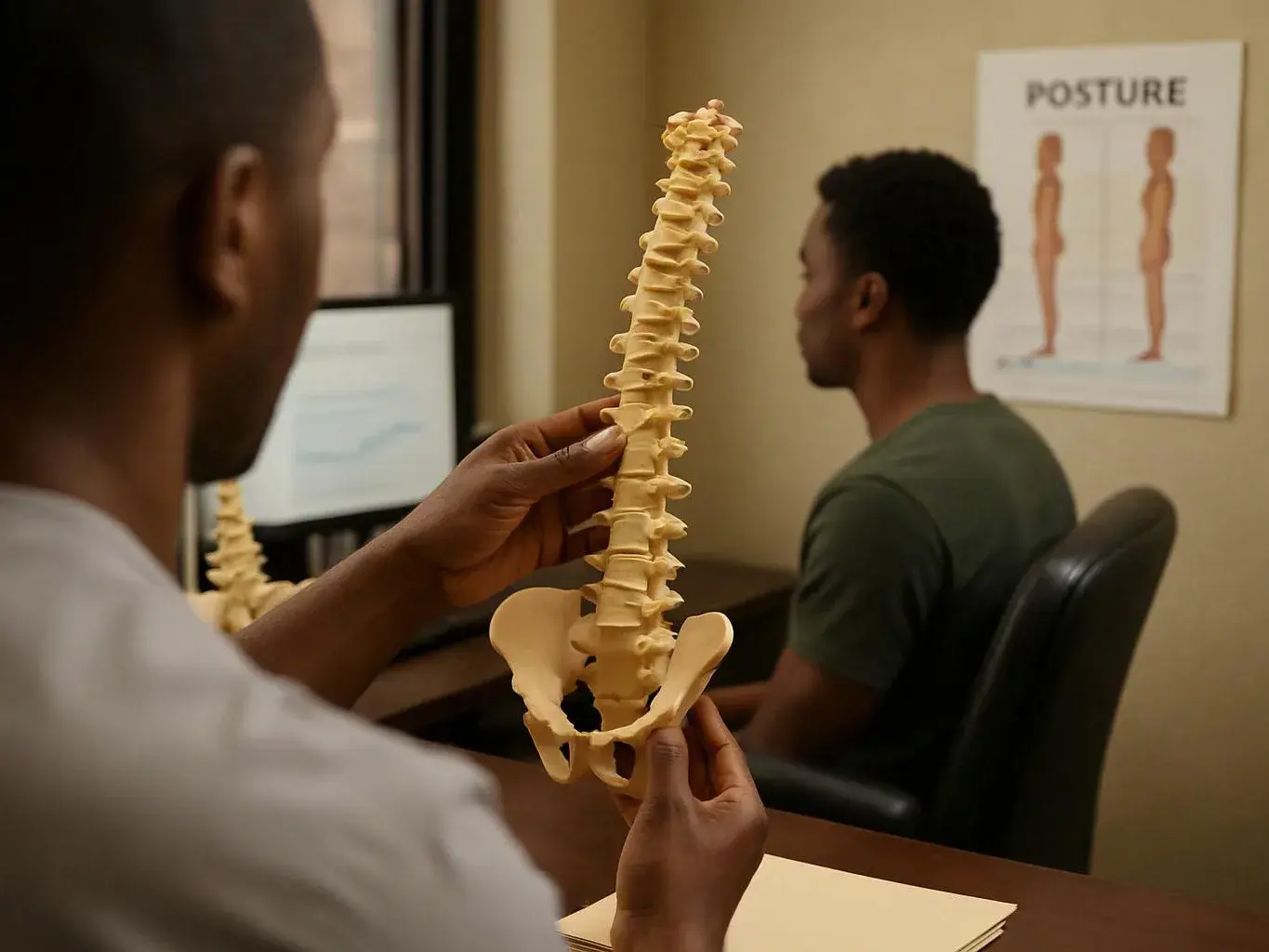
Poor posture, prolonged sitting, heavy lifting, and twisting movements can make sciatic pain worse. These activities may increase strain on the low back and hips. During intake, we ask which movements trigger symptoms and how your routine affects them. Dr. Clifton Weldon and our team then use the exam findings to discuss adjustments, exercises, or other suitable care.
Who provides sciatica care at the Atlanta clinic?
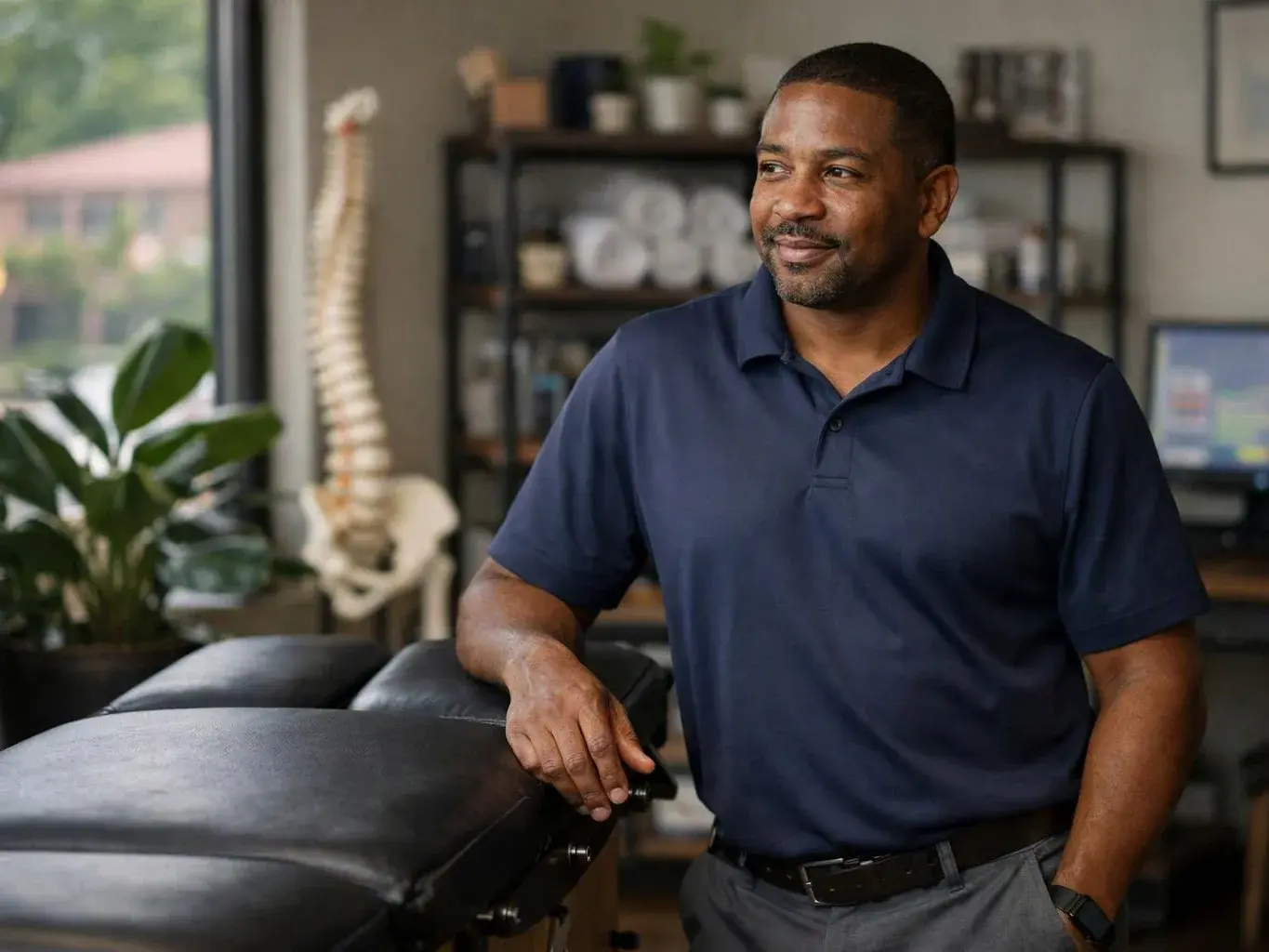
Arrowhead Clinic Chiropractor Atlanta provides sciatica care through chiropractic evaluations and personalized treatment plans. Dr. Clifton Weldon leads local care as a Doctor of Chiropractic and Life University alumnus. The plan may include spinal adjustments, rehabilitation, massage therapy, physical therapy, or corrective exercises based on your needs and goals.
How does a sciatica visit move from the first call to the last step?
A sciatica visit starts with intake, a health history, and an exam before treatment is planned. The next steps are a report of findings, discussion of suitable care, and follow-up review. Digital or 3D X-rays may support the evaluation when clinically indicated. Bring details about sitting, lifting, and twisting that change your symptoms.
Which part of daily activity decides the scope of care?
Your symptom pattern and movement limits help decide the scope of care. Sitting, lifting, twisting, sleep, work tasks, and exercise can each affect the exam. We review those details with your history and goals, then select care that fits the findings. The scope can include adjustments, rehabilitation, massage, or corrective exercises.
Which material changes how long sciatica care takes?
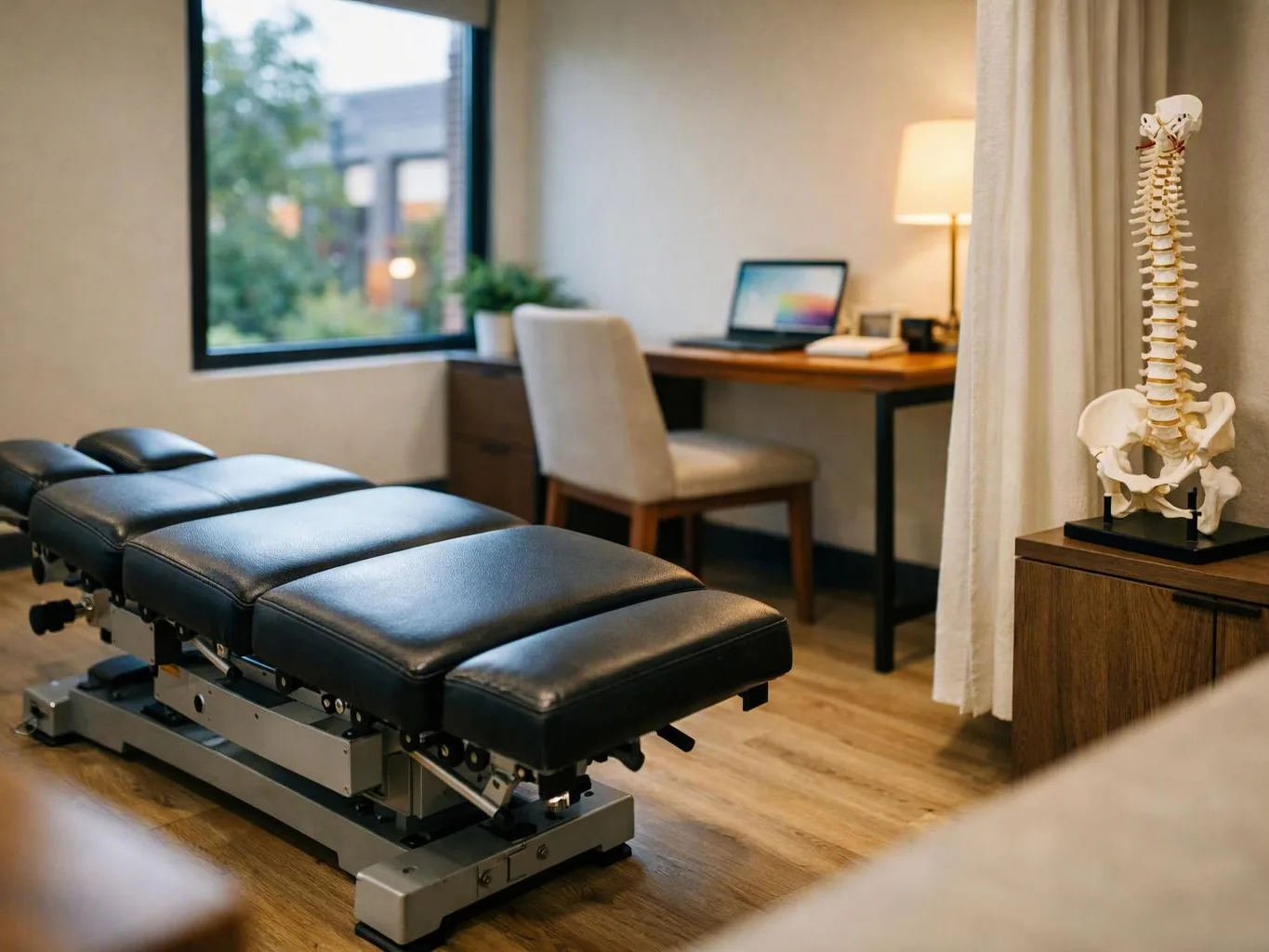
No single material determines how long sciatica care takes because treatment uses body movement, exam findings, and clinical methods. The plan may include an adjusting table, spinal decompression table, or TheraBand exercises. Your symptoms, goals, and response to care guide the next review, so we don't promise a fixed duration.
Why might a first visit include X-rays?
X-rays may help support the evaluation when they are clinically indicated. They can add information to the health history and physical exam before a care plan is discussed. Our clinic uses digital and 3D X-ray technology as part of that process when appropriate. X-rays don't replace a full exam or determine care by themselves.
What should I bring to my first appointment?
Your symptom history, medication list, prior injury details, and questions can help with the first visit. Tell us what increases or eases the pain, including sitting, lifting, or twisting. We use that information during the health history and exam. You can also discuss work demands, exercise, and your goals for care.