How can I prevent recurring pinched nerve symptoms?
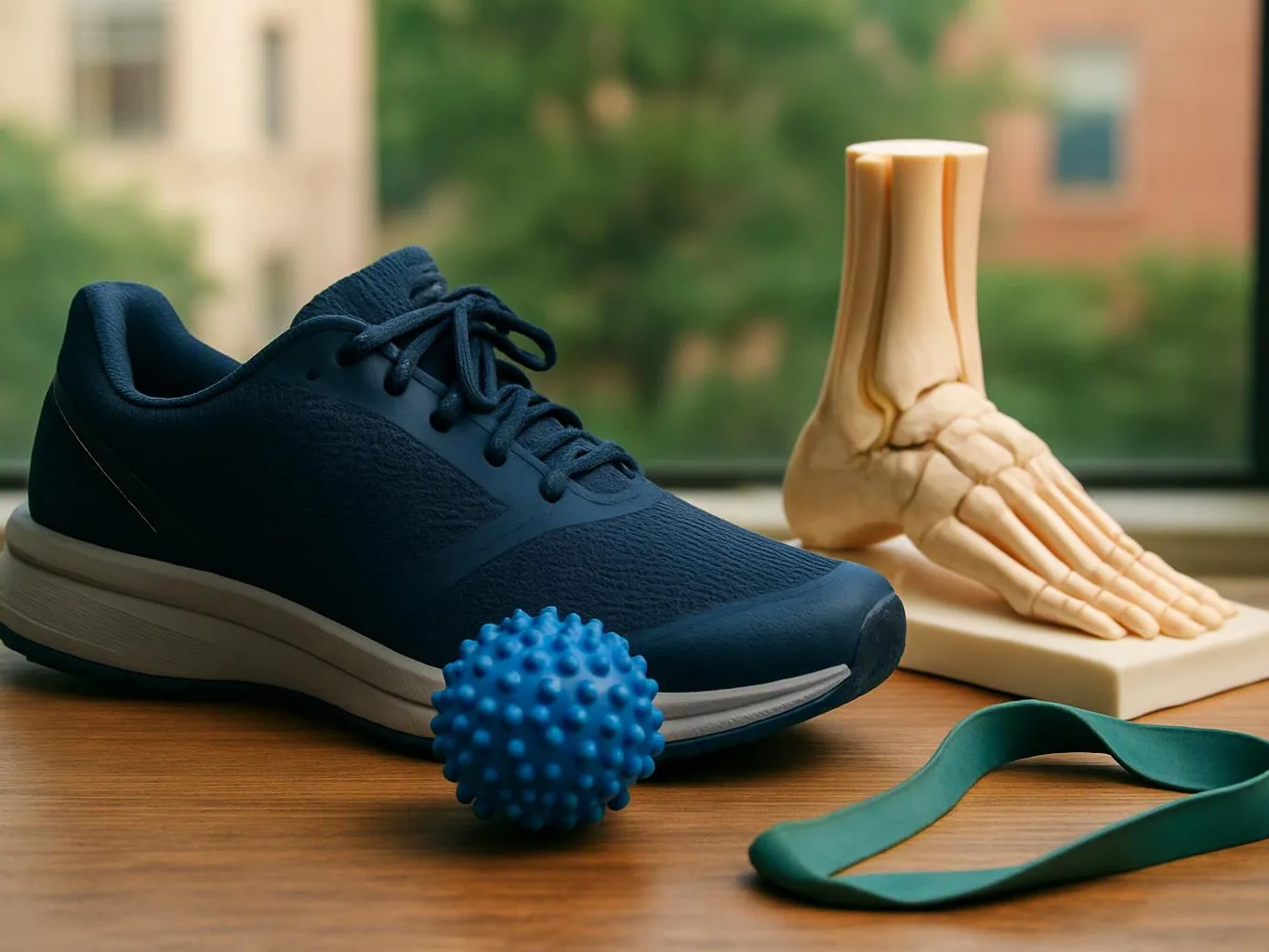
Strength exercises can support recurring symptom prevention when they fit your exam and movement needs. Our team also reviews posture, ergonomic setup, stretching, and movement breaks. The plan should match the irritated area and your daily habits. Results vary, so follow-up checks help decide whether the approach needs adjustment.
What does the team look at first during pinched nerve care?
The first review covers your symptom pattern, health history, posture, and range of motion. We ask what brings symptoms back and whether they travel into an arm or leg. Those details guide the exam and help us decide whether adjustments, exercises, or another service best fits.
What should be checked before care is scheduled?
A health history and focused exam should come before a treatment plan. We review prior injuries, diagnoses, scans, current care, medications, and warning signs. That review helps identify cases that need medical assessment first and keeps the recommended chiropractic care suited to your needs.
Who is a good fit for pinched nerve care, and who needs a different service?
People with musculoskeletal pain, tingling, or movement limits may fit this care after an assessment. Severe weakness, loss of bladder or bowel control, major trauma, or sudden serious symptoms need prompt medical assessment. We explain the care boundary before recommending adjustments or exercises.
Which daily habits can keep nerve symptoms returning?
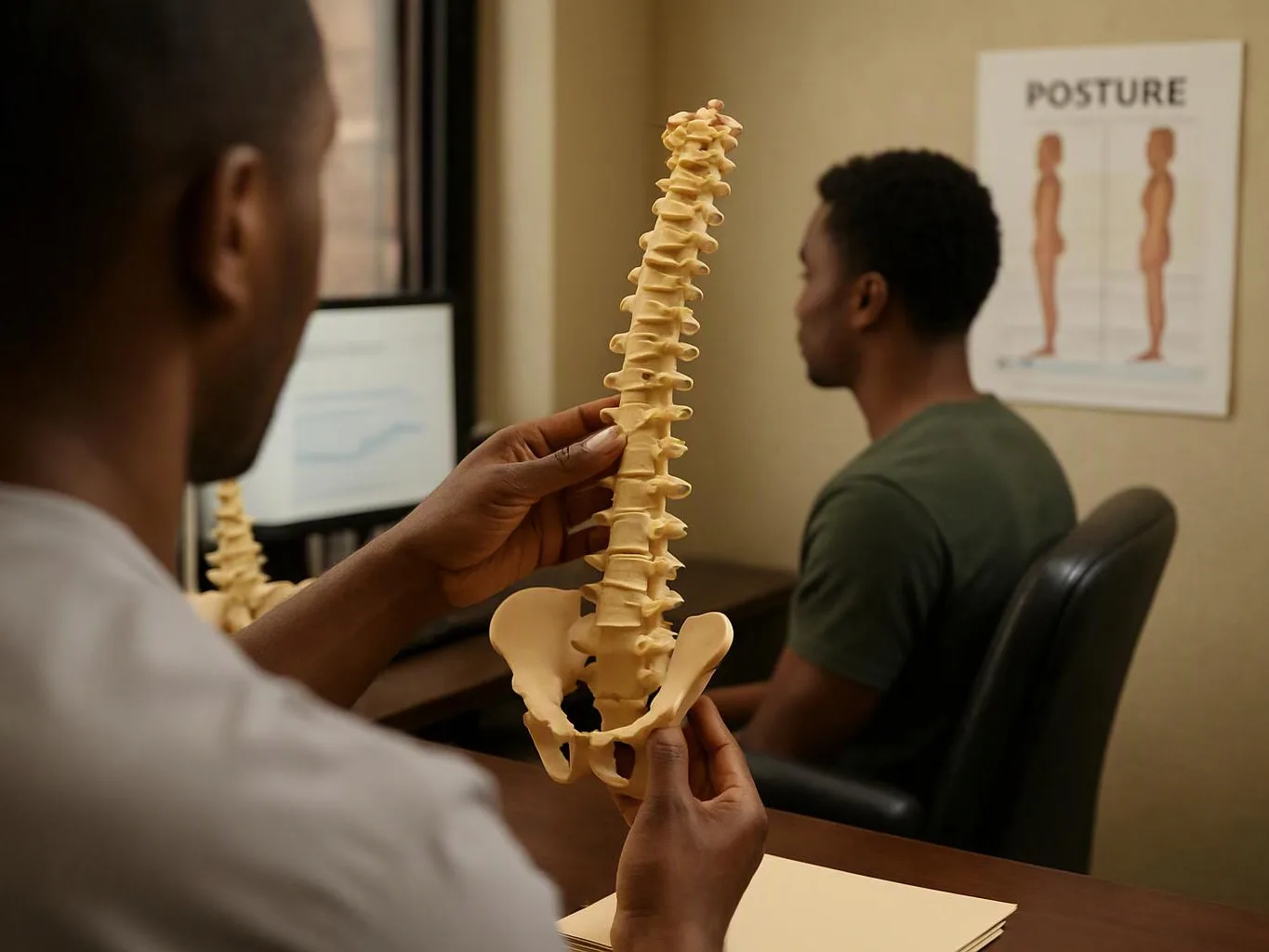
Long periods in one posture, poor workstation setup, limited movement, and repeated strain can keep symptoms active. Our team reviews your work and rest positions during the consultation. Ergonomic changes, posture training, stretching, and planned movement breaks may help reduce those repeated stresses.
When should I ask about pinched nerve care in Scottdale?
Ask about care when recurring pain, tingling, numbness, or limited movement affects daily tasks. Arrowhead Clinic Chiropractor Atlanta serves patients in Scottdale and nearby Atlanta communities. Seek prompt medical assessment for serious weakness, major trauma, or sudden loss of bladder or bowel control.
Why might an adjustment not be the first treatment choice?
An adjustment may not be the first choice when symptoms suggest a serious condition or need another medical evaluation. Our assessment considers the symptom pattern, health history, and movement findings. We explain whether spinal care, exercise guidance, referral, or another service is appropriate.