What happens during herniated disc treatment?
Gentle mobilization is considered after we review your symptoms, health history, posture, and movement. The visit may include a new patient intake, exam, report of findings, and treatment planning. Chiropractic adjustments, core exercises, or stretching techniques may follow when they fit your needs. We explain each step before care begins.
What does the clinician look at first?
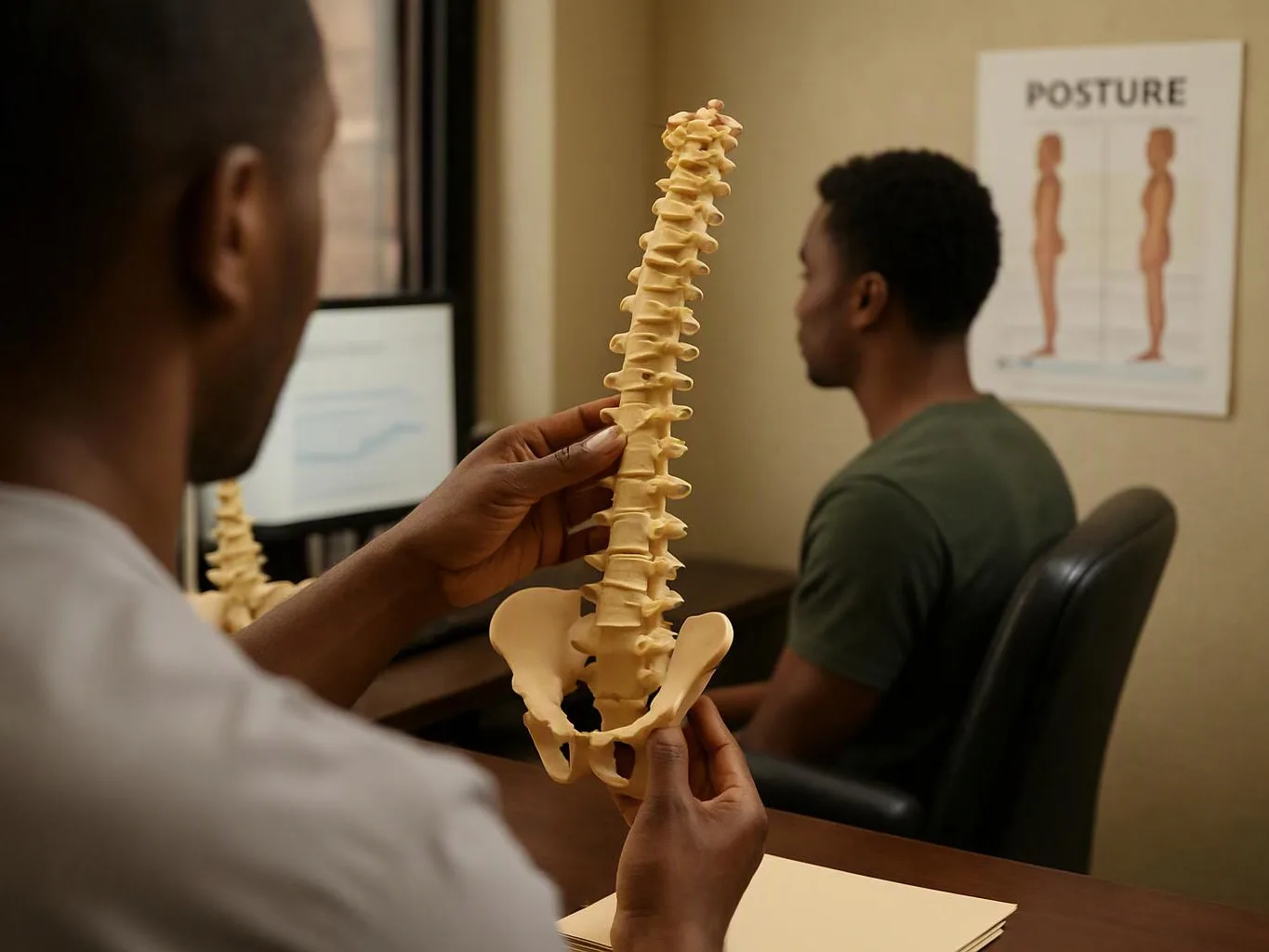
The first assessment looks at your symptoms, health history, posture, and movement. We ask what changes the pain and whether symptoms affect walking, sitting, bending, or sleep. X-rays may be considered if clinically indicated. These findings help us decide which non-invasive options are suitable.
What should be checked before treatment is scheduled?
A health history and physical exam should come before treatment planning. We check symptom patterns, movement limits, posture, and relevant health details. Imaging or medical records may add useful context when clinically indicated. Severe or changing symptoms may require medical assessment before chiropractic care.
Who is a good fit for this care, and who needs a different service?
People with disc-related back pain, sciatica, stiffness, or movement limits may be a good fit after assessment. We first review the symptoms and health history. Severe, sudden, or changing symptoms may need medical assessment before chiropractic care. Individual response differs, so treatment decisions follow the exam.
Which treatment options may be used besides adjustments?
Postural assessment, core exercises, stretching techniques, and wellness guidance may support care besides adjustments. The plan depends on your symptoms, movement, and health history. We explain why each option is included. You can ask questions before the treatment plan is finalized.
How does a first visit help with treatment decisions?
A first visit connects your symptoms with your health history and movement findings. The intake and exam help us discuss suitable care, possible limits, and the next step. A report of findings gives you a clearer basis for deciding whether the proposed plan fits your goals.
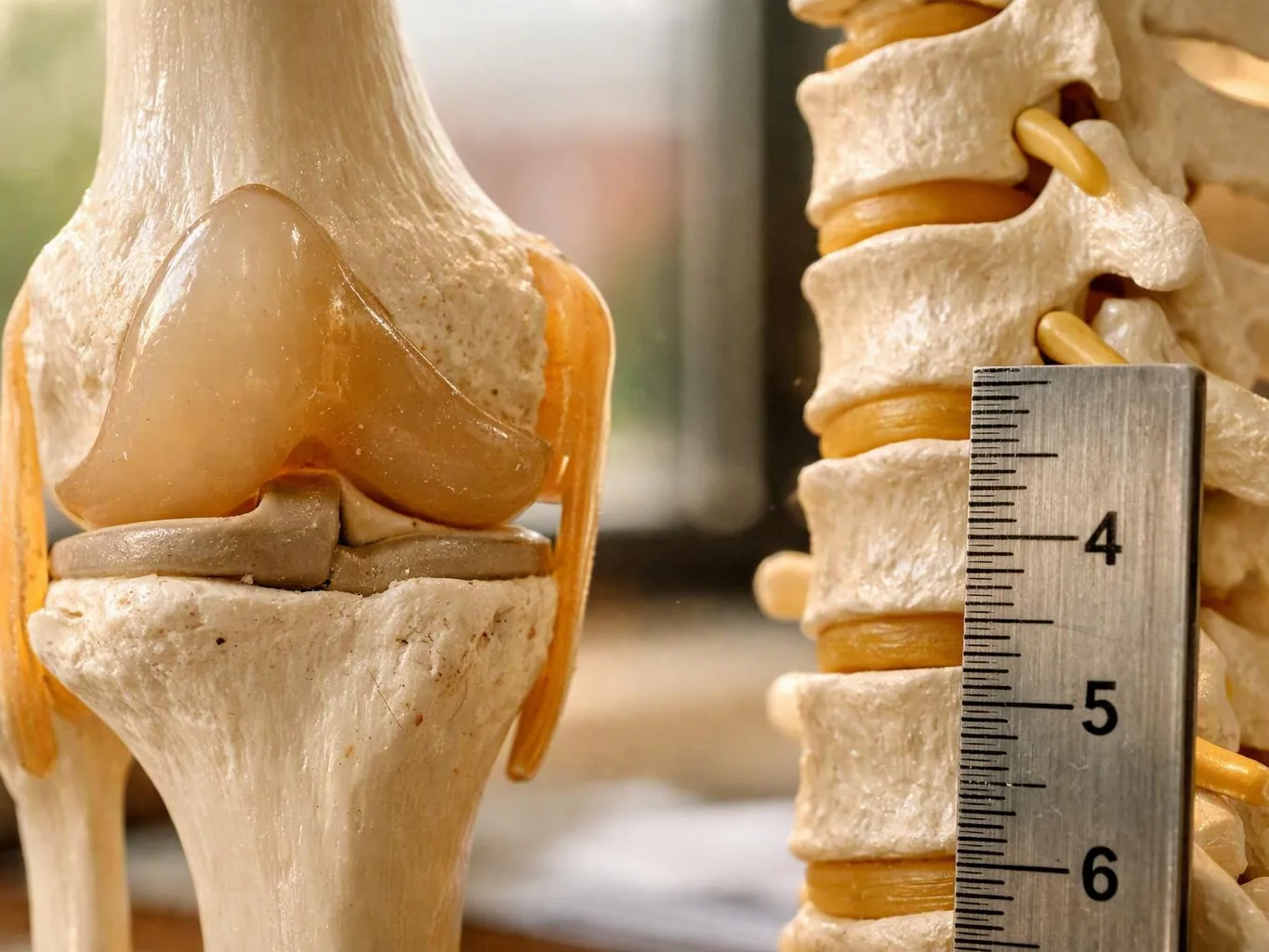
Why might back pain continue after daily activity?
Back pain may continue when posture, movement habits, muscle control, or an irritated disc keeps adding strain. We assess these factors during the exam and discuss practical care options. Core exercises, stretching, and posture guidance may support the plan when they suit your condition.