First Chiropractic Appointment: What to Prepare and What to Ask
First chiropractic appointment preparation includes bringing relevant medical information, describing your symptoms clearly, completing the intake process, and asking how an examination, chiropractic adjustment, imaging, or spinal decompression therapy may fit your care. Arrowhead Clinic Chiropractor Atlanta uses the consultation to review your concerns, explain findings, and discuss next steps.
Written by Dr. Clifton Weldon
Request an EstimateAuthor: Dr. Clifton Weldon

What Should You Prepare Before Your First Chiropractic Appointment?
Preparing symptom details, relevant health information, current medications, and available records helps the chiropractic team understand your concerns before discussing care.
Bring information that shows how your symptoms began and how they affect daily movement. Clear details help us connect your concerns with the findings from the chiropractic consultation.
Our team reviews the information you provide before explaining the examination and possible next steps. You can update the symptom history during the visit if your condition has changed.
What Happens During a First Chiropractic Consultation?
A first chiropractic consultation reviews your symptoms and health history before our team explains the examination findings and discusses appropriate next steps.
Patient intake usually covers the location, pattern, and effect of your symptoms. We ask what you have tried, what helped, and what made your concerns worse.
The chiropractic examination may include posture assessment, range of motion, movement checks, and a neurological screening. We use these findings to decide whether additional evaluation or imaging should be discussed.
Our care discussion connects the findings with your treatment goals. We explain what we recommend, why it may fit your concerns, and what questions you should consider before making an informed decision.
What Should You Expect During the Appointment?
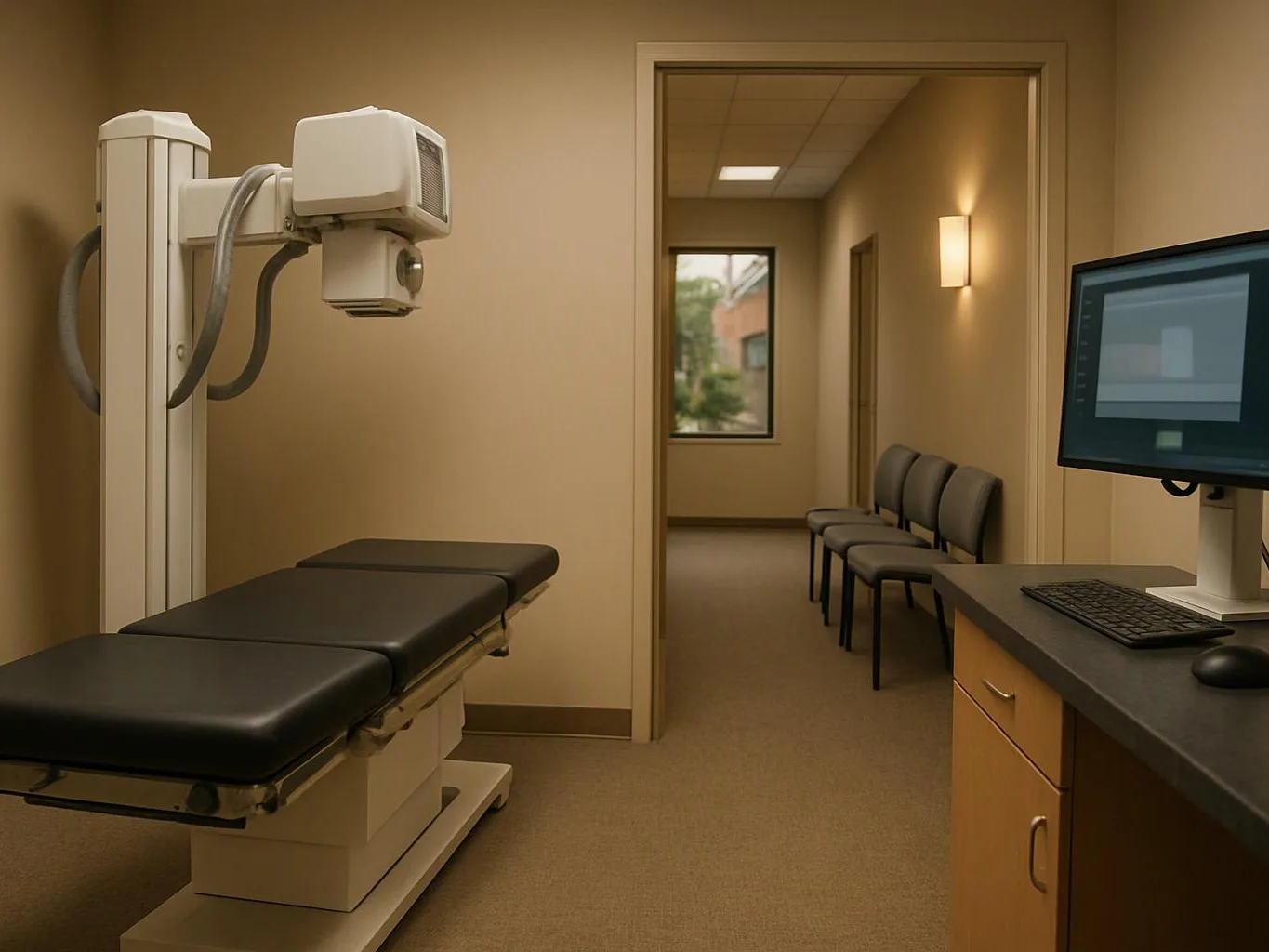
The appointment may include intake questions, a physical assessment, discussion of whether X-ray imaging is appropriate, and an explanation of possible care options.
The order of the visit helps us understand your concerns before discussing a chiropractic adjustment. Ask for clarification whenever a finding or recommendation is unclear.
Not every appointment follows the same path because the evaluation depends on your history and symptoms. Our team explains the reason for each part of the examination before moving forward.
Which Records and Imaging Should You Bring?
Bring relevant imaging reports, available images, medication information, referral documents, and records that explain prior diagnoses or treatment.
Medical records can help us understand prior findings and care. An imaging report may be useful even when the original image is not available.
Bring X-ray imaging, MRI records, CT scan records, diagnostic reports, a medication list, and any referral that relates to your current concern. Our team reviews these materials with your symptom history instead of treating a record as the only source of information.
If you have not had imaging, you can still attend a chiropractic consultation. We determine whether imaging is appropriate from your history and examination findings.
What Should You Ask Before Agreeing to a Care Plan?
Ask what the recommended care is intended to address, why it fits your findings, what alternatives exist, how progress will be assessed, and what the consultation includes.
Good questions help you understand the treatment rationale and decide whether the plan matches your goals. Arrowhead Clinic Chiropractor Atlanta offers Free Consultations so you can discuss your concerns and the proposed approach.
Our team answers these questions in plain language and connects each recommendation to the examination. You should have enough information to make an informed decision without feeling rushed.
When Should You Pause and Share a Health Concern?
Share urgent or changing symptoms before care so our team can determine whether chiropractic evaluation is appropriate or whether another medical assessment should come first.
Red flags can change the next step in an evaluation. Tell us about these concerns before an examination or adjustment.
Our team reviews the concern and explains whether the planned evaluation remains appropriate. Seek urgent medical attention for symptoms that feel immediately dangerous.
What Should You Do After the Consultation?
After the consultation, review the proposed care plan, confirm that you understand the goals and next steps, and share any new or worsening symptoms with our team.
Care-plan review gives you a chance to check the treatment rationale and ask follow-up questions. We explain how a chiropractic adjustment or spinal decompression therapy recommendation relates to your findings.
Our team can revisit the discussion when your symptoms or goals change. Clear communication supports a care plan that remains connected to your needs.
How Can You Use This Checklist When Choosing Care?
Use the checklist to confirm that the consultation addresses your symptoms, explains the reason for each recommended service, and gives you enough information to make an informed decision.
Look for care-plan transparency, a clear treatment rationale, and direct answers to patient questions. Our team uses the consultation to explain whether a chiropractic adjustment fits the examination findings.
Use the checklist to compare the questions you asked with the answers you received. A sound decision includes clear goals, understood risks, available alternatives, and a follow-up assessment process.
Questions About Your First Chiropractic Appointment
What should I wear to my first chiropractic appointment?
Comfortable clothing that allows easy movement is a practical choice for a first chiropractic appointment. Wear clothing that lets our team observe posture and movement without restricting the examination.
Can I bring someone with me to a chiropractic consultation?
Yes, you can ask about bringing someone with you to a chiropractic consultation. Tell our team when scheduling so we can explain any visit procedures that apply.
Should I tell the chiropractor about previous injuries?
Yes, tell the chiropractor about previous injuries because injury history can affect the symptom assessment and examination. Include injuries that seem unrelated if they affect movement or your current concerns.
Can chiropractic care be discussed if I have not had imaging?
Yes, chiropractic care can be discussed if you have not had imaging. Our team reviews your medical history and examination findings before discussing whether imaging is appropriate.
What should I do if my symptoms change before the appointment?
Contact our team and describe the symptom change before the appointment. Arrowhead Clinic Chiropractor Atlanta can review the updated concern and explain the appropriate next step.
When you are ready to discuss your symptoms, records, and care questions, Arrowhead Clinic Chiropractor Atlanta can guide the consultation process and explain your options.
Get a Free Estimate