Chiropractic Care and Corrective Exercise: How They Can Work Together
Chiropractic adjustments and corrective exercises can work together by addressing joint mobility and movement control; Arrowhead Clinic Chiropractor Atlanta evaluates both needs and builds care around them.
Request an Estimate
Can Chiropractic Adjustments and Corrective Exercises Be Combined?
Chiropractic adjustments and corrective exercises can be combined when improved joint movement needs support from controlled movement and muscle coordination.
A chiropractic adjustment focuses on joint function and may help address restricted movement. Corrective exercise therapy builds active control around that movement through targeted practice.
We consider movement patterns, joint mobility, and your daily activities when deciding how these services fit together. Our care plan connects hands-on care with movement practice that supports lasting changes in how you move.
What Are Corrective Exercises in Chiropractic Care?
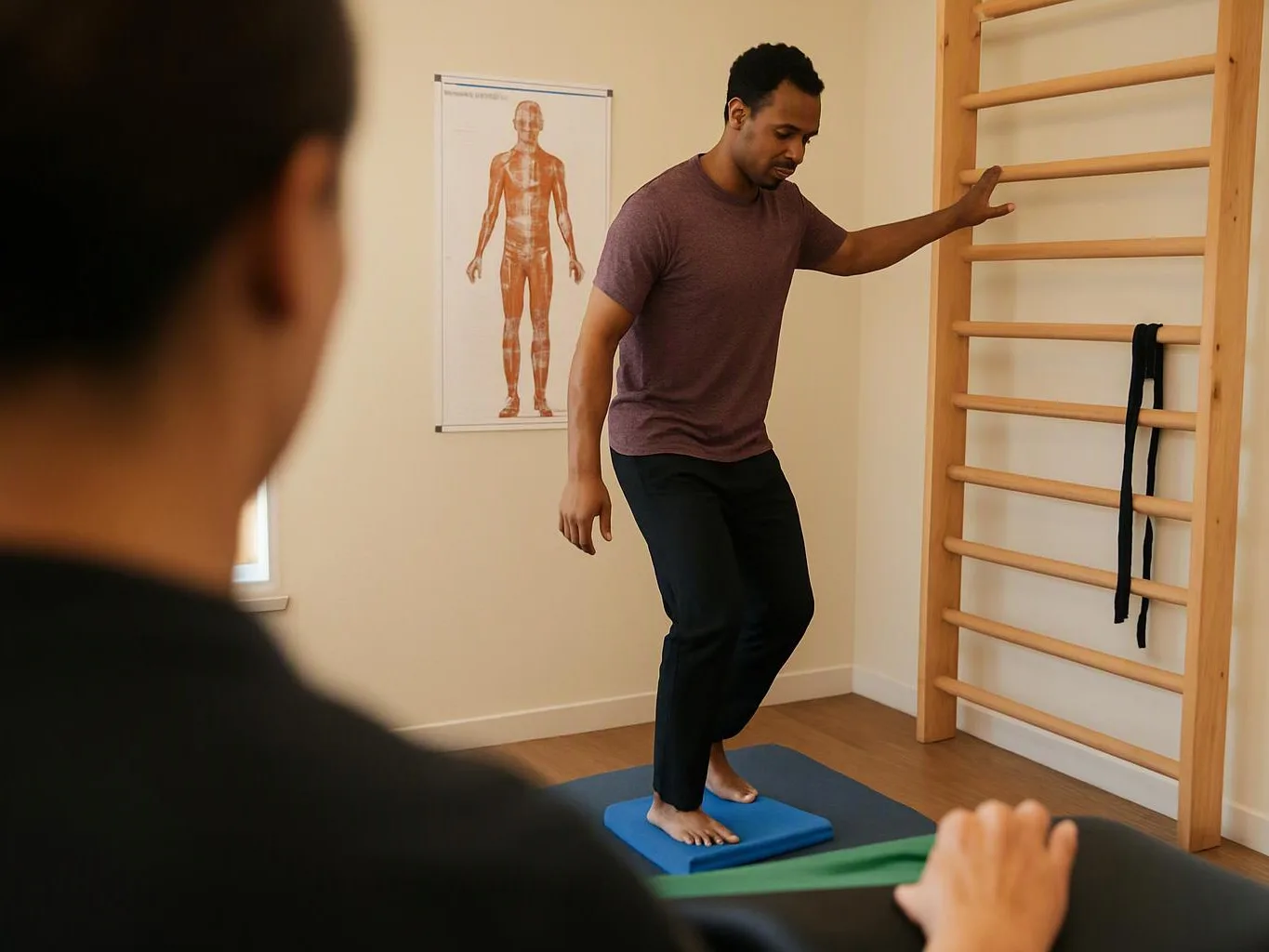
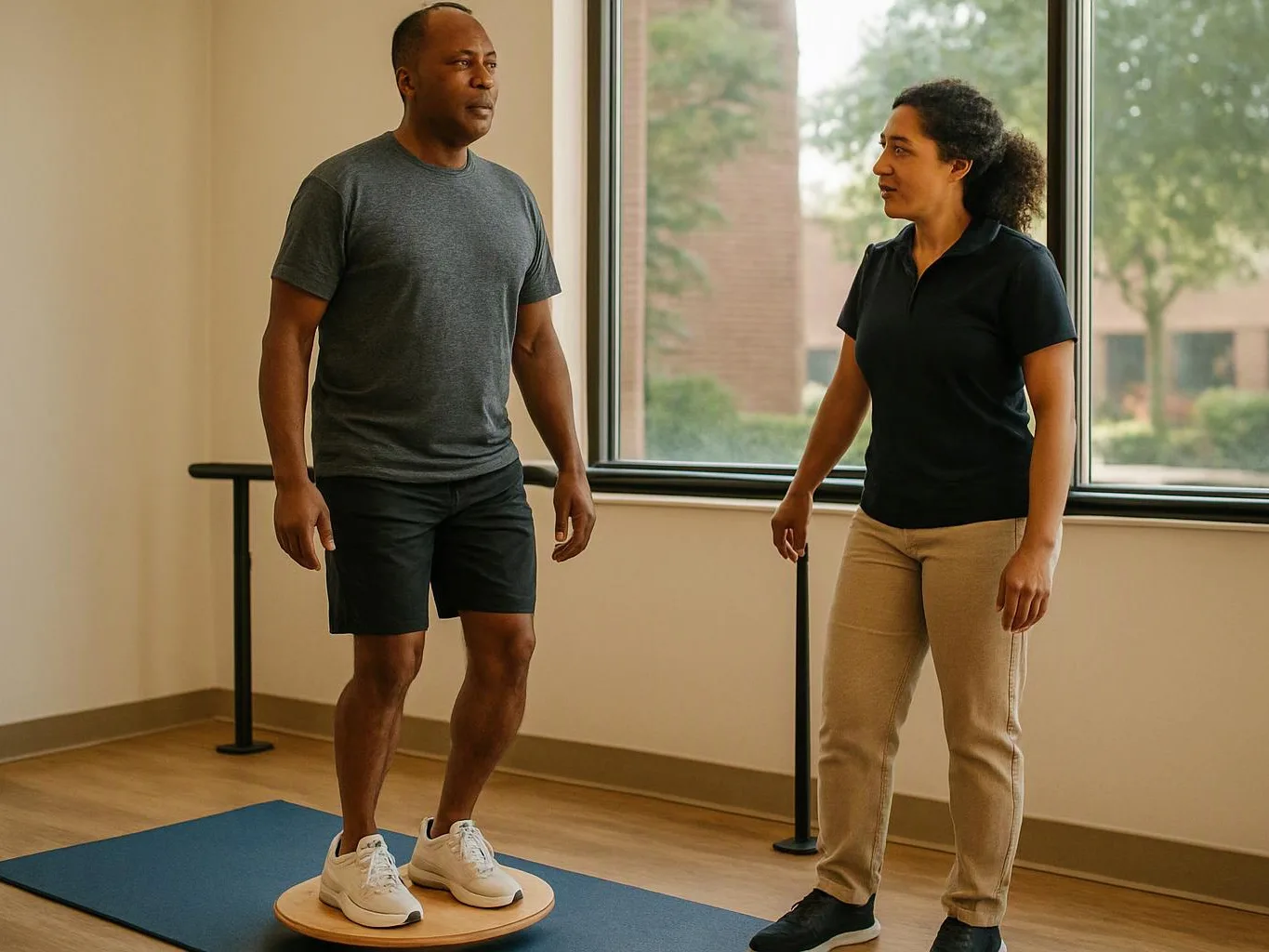
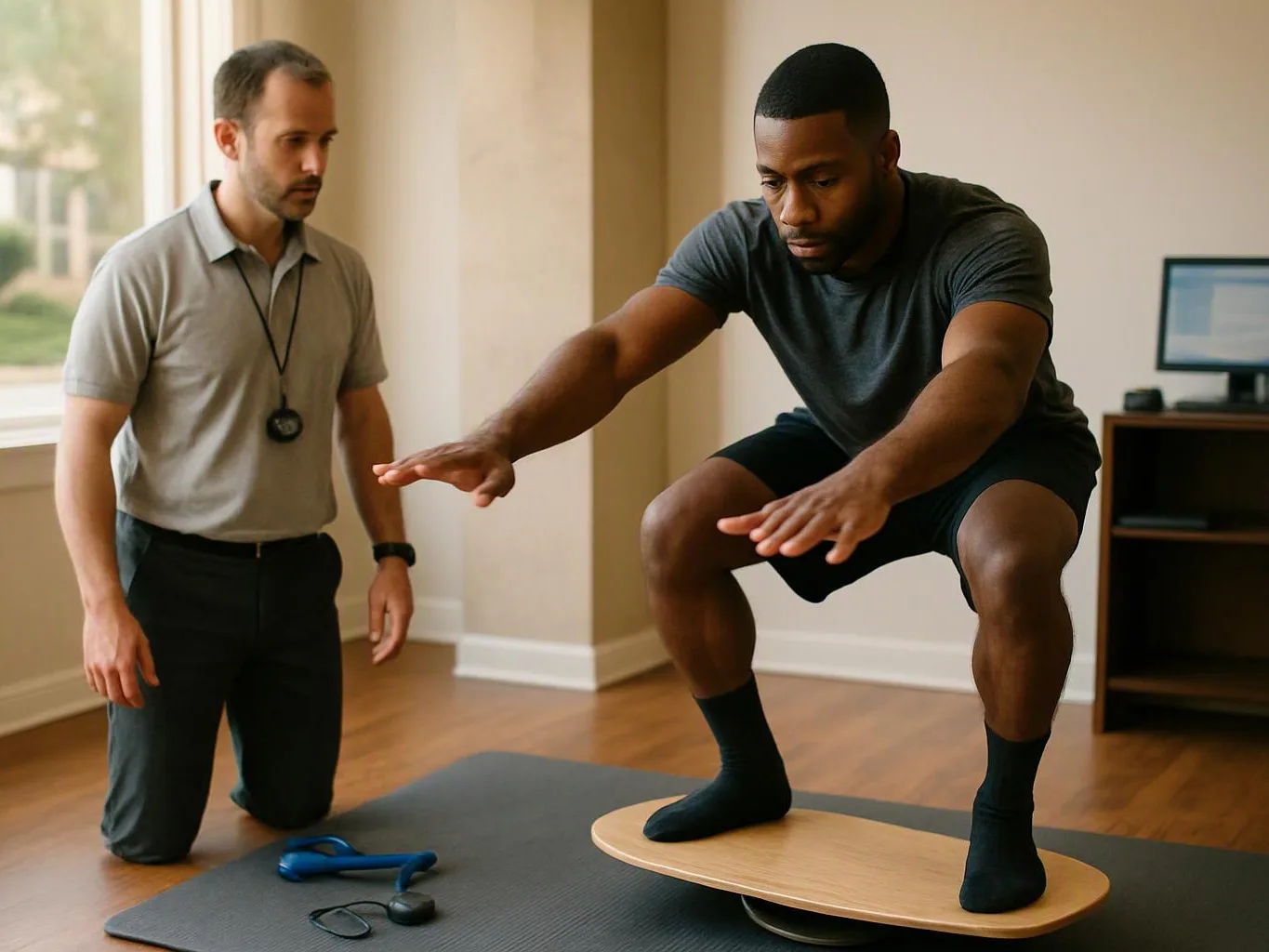
Corrective exercise therapy is targeted movement that improves how the body controls posture, mobility, and everyday activity.
These exercises may support posture correction, muscle coordination, and active range of motion. We use a movement assessment to see how the spine, joints, and muscles work together.
Exercise selection depends on your movement needs. Some people need mobility exercises, while others need stability, motor-control, or functional movement exercises.
When Do Chiropractic Adjustments and Exercises Work Best Together?
Adjustments and exercises work best together when joint movement and movement control both need attention. We look for these patterns during the assessment:
These factors do not determine care by themselves. Our team matches the approach to your findings, goals, and response to movement.
How Do Adjustments and Corrective Exercises Support Each Other?
Chiropractic adjustments can support joint movement, while corrective exercises help the body use that movement with greater control.
An adjustment may address joint mobility and spinal alignment. Exercise then gives the muscles a chance to practice stable movement through active range of motion.
We use corrective exercise to develop neuromuscular control, improve muscle activation, and reinforce useful movement patterns. This process is movement retraining, not simply stretching or strengthening without a plan.
How We Combine Adjustments With Corrective Exercise Therapy
Our approach connects assessment, hands-on care, and active practice. Each part helps us make the next part more specific to your movement needs.
Session planning can change as your movement changes. We explain the purpose of each part of care so you understand how the adjustment and exercise work together.
What Should You Expect From a Corrective Exercise Plan?
A corrective exercise plan begins with movement evaluation and develops through exercises selected for your mobility, posture, and control needs.
Corrective exercise is active practice, so technique matters. We focus on controlled movement and postural awareness instead of rushing through repetitions.
How Can Exercise Support Mobility After an Adjustment?
Corrective exercise can help a person actively use available mobility after an adjustment by reinforcing controlled movement and posture.
Active range of motion exercises encourage you to move through a comfortable range with purpose. Motor control exercises help your muscles coordinate that movement during functional activity.
We select post-adjustment mobility exercises based on your assessment. The goal is to help you carry improved joint movement into tasks such as walking, bending, reaching, or lifting.
What Changes the Cost of Combined Chiropractic Care?
Combined chiropractic care costs depend on the services included, the assessment needs, and the level of exercise instruction, so Arrowhead Clinic Chiropractor Atlanta provides exact pricing after understanding the requested care.
A chiropractic adjustment, corrective exercise therapy, movement assessment, and session planning can each affect the services included in a care plan. Exercise instruction may also require different planning from hands-on care.
We explain what the requested care includes before you decide how to proceed. Contact us for an exact quote based on your assessment and the services you want to discuss.
How Do You Start a Combined Chiropractic and Exercise Plan?
An initial consultation starts the process by giving us time to discuss your movement goals and determine how adjustments, corrective exercises, and posture correction fit together.
We review your concerns, relevant activities, and movement assessment findings. Our team then explains which parts of conservative care may support your goals.
Arrowhead Clinic Chiropractor Atlanta can help you discuss a chiropractic adjustment and corrective exercise therapy as part of a coordinated care plan.
Questions About Chiropractic Adjustments and Corrective Exercise
Should I exercise immediately after a chiropractic adjustment?
Arrowhead Clinic Chiropractor Atlanta determines whether exercise is appropriate after an adjustment by considering your movement assessment, comfort, and care plan. We may recommend gentle movement practice when it supports controlled mobility, while other situations may call for different guidance.
Can corrective exercises help improve posture?
Corrective exercises can help improve posture by building postural awareness, muscle coordination, and control during daily movement. We select posture exercises based on how you sit, stand, walk, and complete functional activities.
Are corrective exercises customized to each person's movement needs?
Corrective exercises are customized through movement assessment, exercise selection, and progress monitoring. We adjust exercise instruction and progression to match your range of motion, posture, muscle activation, and movement control.
Related Resources
Signs You May Need a Chiropractic Adjustment
Brand vs BrandChoosing a Chiropractor in Atlanta: What to Compare Before You Book
Brand vs BrandBefore You Book Arrowhead Clinic: Insurance and Self-Pay Questions
Brand vs BrandChiropractic Adjustment Companies Worth Comparing in Atlanta (2026)