How is shoulder pain diagnosed during an evaluation?
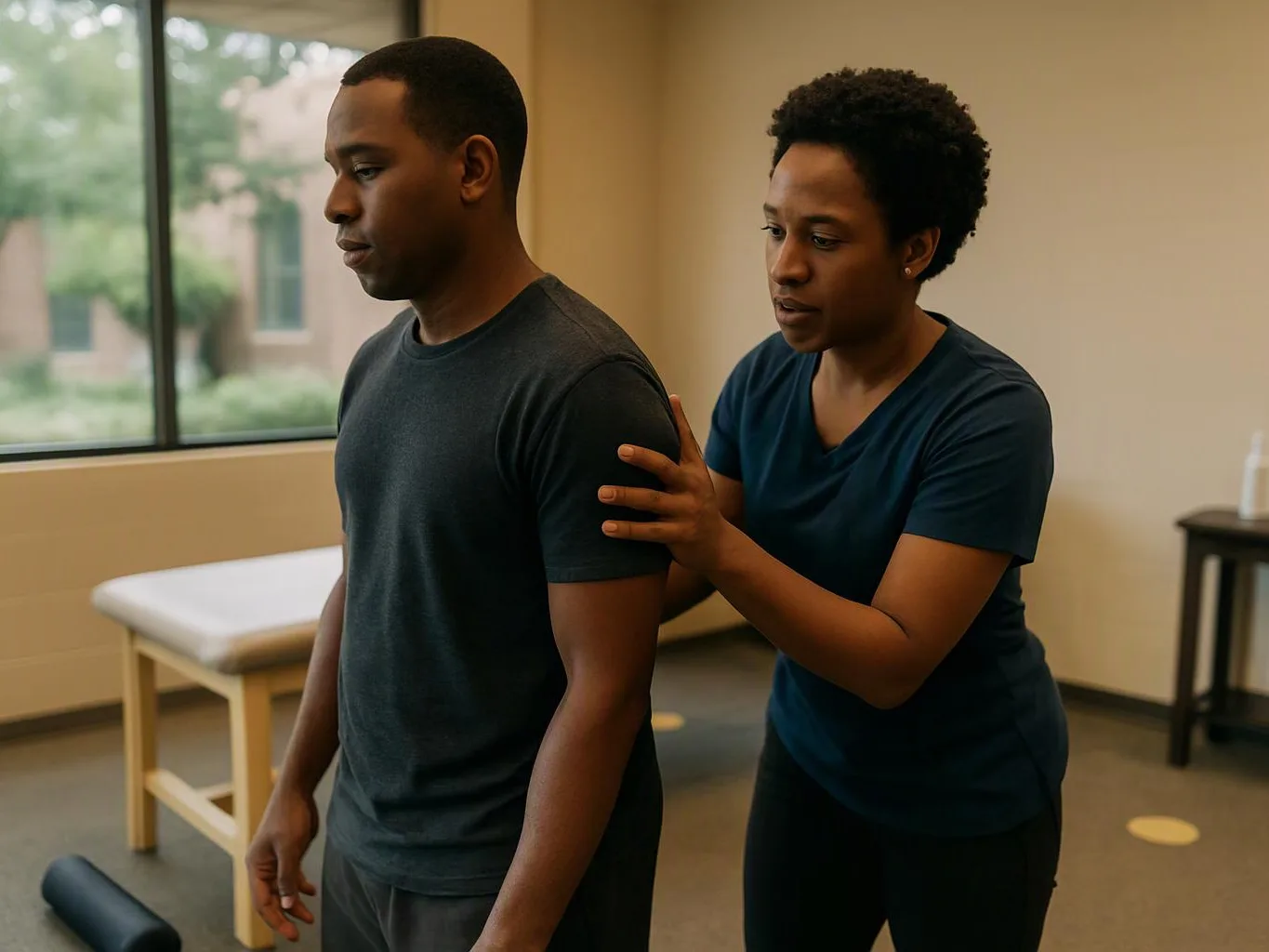
Arrowhead Clinic Chiropractor Atlanta assesses shoulder symptoms through health history, movement testing, strength testing, posture review, and joint mobility checks. The first visit connects these findings with daily activities and past injuries. We explain the report of findings before recommending care. X-rays may be considered if clinically indicated.
What happens during a first visit for shoulder discomfort?
A first visit includes a new patient intake, health history, physical exam, and discussion of your care goals. Movement testing shows which actions feel limited or painful. We then explain the findings and possible options. Bring information about past injuries, current treatment, and activities that affect your shoulder.
Which shoulder symptoms need medical assessment first?
Sudden weakness, severe trauma, chest symptoms, or major loss of function need medical assessment before chiropractic care. These signs can point to concerns outside a routine musculoskeletal visit. Share all symptoms during scheduling so the appropriate next step is clear. We don't promise that chiropractic care fits every shoulder problem.
When does posture matter during a shoulder evaluation?
Posture matters when neck, upper back, or shoulder position changes the way you move. The exam may compare shoulder motion with relaxed and active postures. We use those findings to discuss spinal care, corrective exercises, or other suitable options. Your work, exercise, and sleep habits can add useful context.
Why might shoulder pain return after exercise?
Shoulder pain may return when movement habits, strength limits, joint stiffness, or activity demands remain unchanged. We ask which exercise triggers symptoms and test the related movement pattern. The care plan may include clinic treatment and corrective exercises. Results vary, so follow-up review helps guide the next step.
How does a shoulder visit move from the first call to the last step?
The visit moves from consultation and intake to examination, findings, treatment planning, and progress review. We first record your symptoms and goals. Movement, strength, posture, and joint mobility then guide the discussion. Free consultations let you ask questions before selecting a care approach.
Which material changes how long shoulder care takes?
The main time factors are the evaluation findings, symptom history, movement limits, and care plan, not a treatment material. We review those factors before discussing follow-up care. The first visit may include movement and strength testing, while later care can focus on adjustments, exercises, or progress review.
How can a customer tell whether shoulder care fits the problem?
Shoulder care fits concerns linked to movement, joint function, posture, or other musculoskeletal symptoms. An assessment helps decide whether chiropractic treatment is suitable. Severe trauma, sudden weakness, or chest symptoms need medical assessment first. We explain the findings and limits before care begins.