What conditions can shockwave therapy treat?
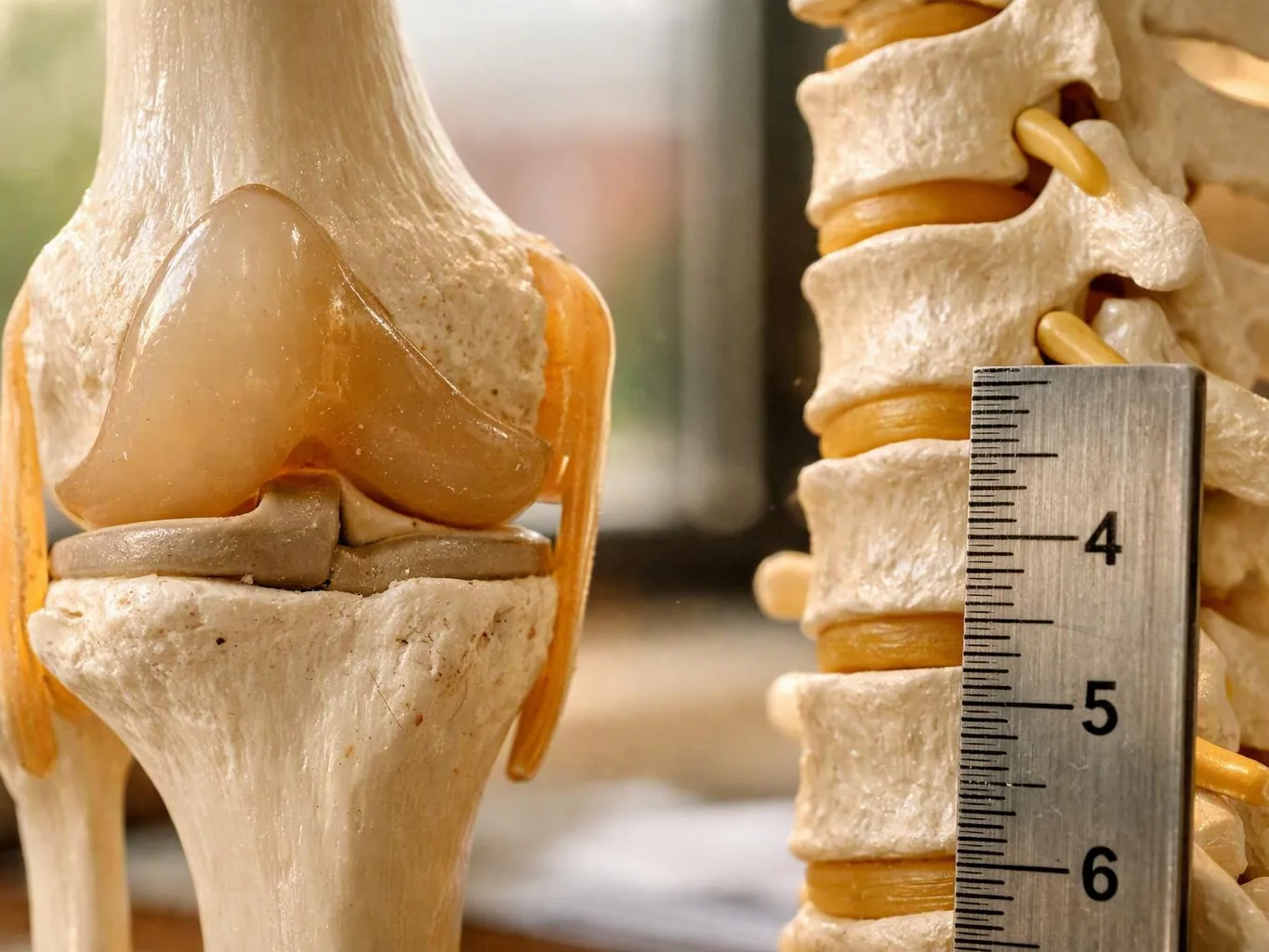
Scar tissue, tendon injuries, joint pain, and muscle tightness may fit shockwave therapy care. Arrowhead Clinic Chiropractor Atlanta reviews your symptoms and health history before recommending it. The treatment may support movement, but results vary. A clinical assessment helps separate a suitable treatment concern from symptoms that need another form of care.
What should be ready before shockwave therapy starts?
A symptom history and current health information should be ready before treatment planning begins. Bring details about when the issue started, what movements affect it, and any care you've tried. Our team uses that information with an exam to discuss suitability. You don't need to choose a treatment before the consultation.
What should I ask before agreeing to shockwave therapy?
Treatment goals, the target area, and other suitable options are key questions to ask first. Ask what the exam found, why this method fits, and how progress will be reviewed. We explain those points before care begins. You can also ask whether spinal care, soft tissue therapy, or corrective exercises belong in the plan.
Which condition changes the time needed for shockwave therapy?
The condition affecting the treatment area is the main factor that shapes the care timeline. Tendon injuries, joint pain, and muscle tightness can require different plans. We review symptom history, movement limits, and response during follow-up. No fixed timeline applies to every patient.
How does the first visit for this treatment work?
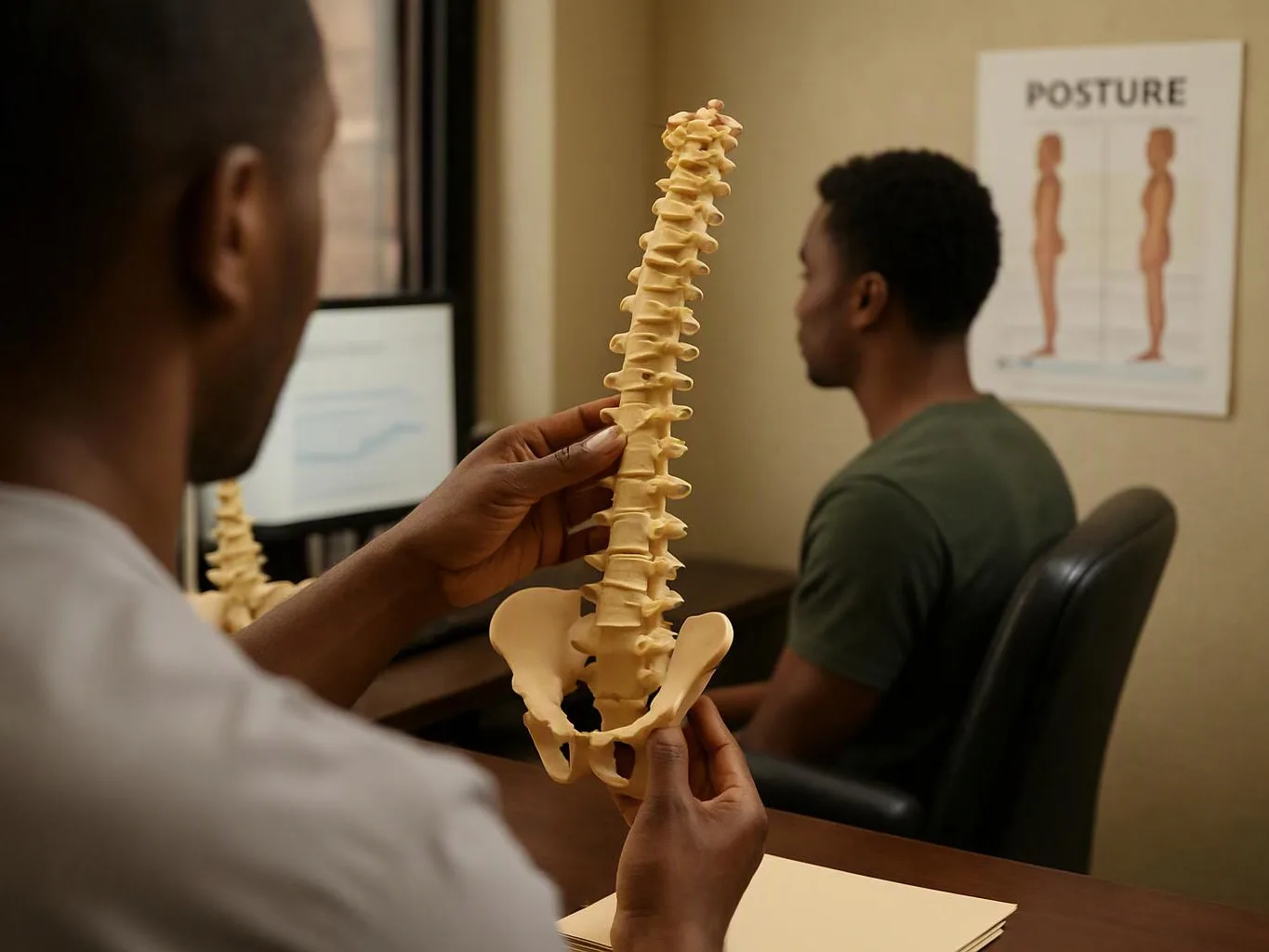
The first visit starts with a new patient intake, health history, and physical exam. We then discuss the report of findings and suitable treatment options. X-rays are considered if clinically indicated. Your plan may include shockwave therapy, chiropractic adjustments, posture work, or corrective exercises.
Why might shockwave therapy be a poor fit for some pain?
Shockwave therapy may be a poor fit when symptoms point to a condition needing a different medical assessment. Numbness, weakness, severe swelling, or pain after a serious accident should be discussed promptly. Our team reviews the symptom pattern and health history before selecting care. That check protects the treatment decision.
Which care options can accompany shockwave therapy?
Chiropractic adjustments, posture evaluations, soft tissue therapy, and corrective exercises may accompany shockwave therapy when they fit the exam. The plan depends on your symptoms and movement goals. We explain each option before adding it. Individual response differs, so follow-up helps guide the next discussion.