How can body awareness support daily movement during scoliosis care?
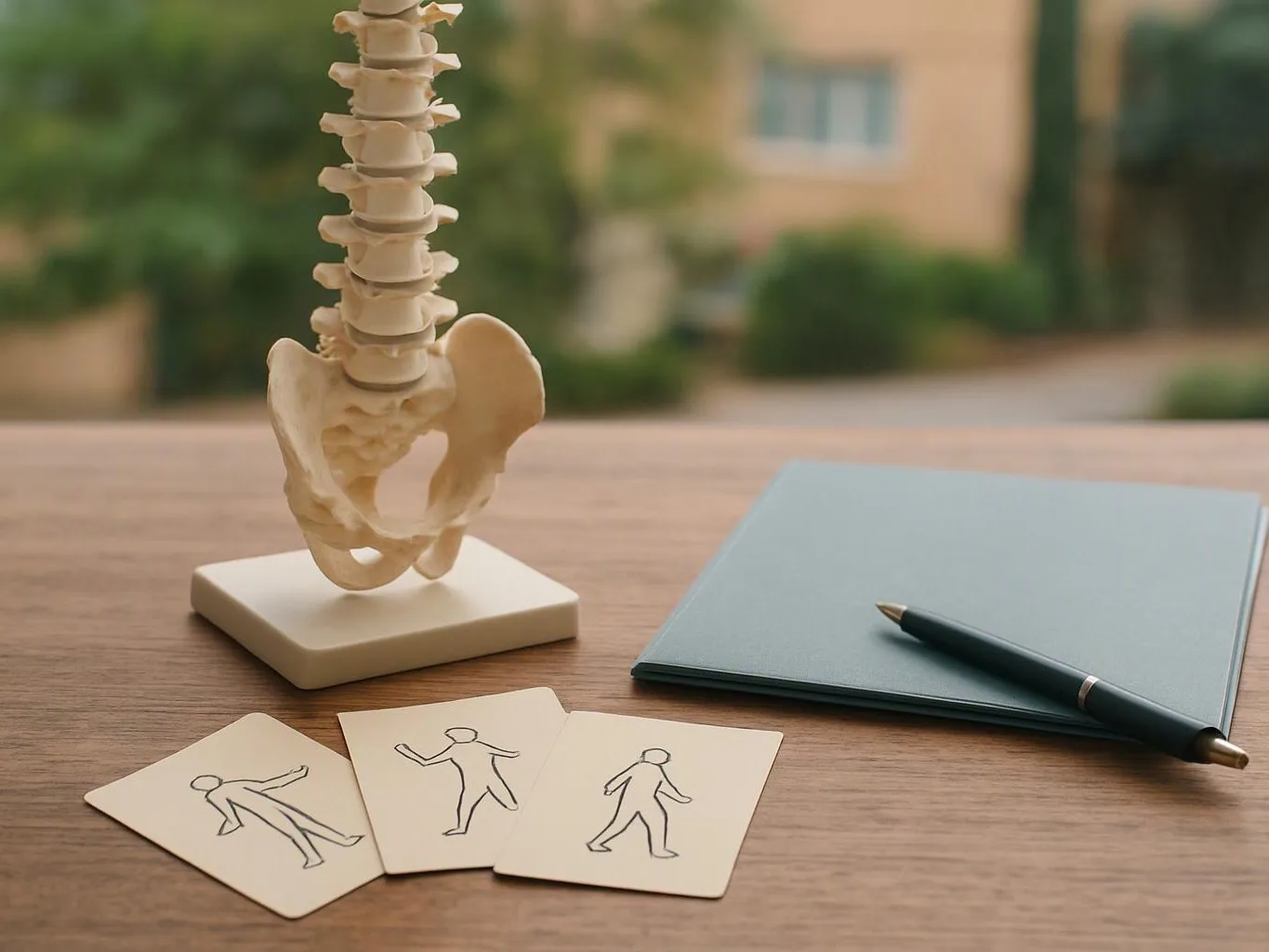
Body awareness supports daily movement by helping patients notice posture, balance, and habits that affect comfort. Arrowhead Clinic Chiropractor Atlanta connects those observations with exercise and movement guidance. Patients may practice controlled changes during standing, walking, bending, or other routine tasks. Individual response differs, so the plan is adjusted to the patient’s findings and goals.
What happens during the first visit?
The first visit includes a health history, physical assessment, and discussion of your movement goals. Our team reviews posture, spinal motion, strength, and flexibility. X-rays may be considered if clinically indicated. After the assessment, we explain suitable options and answer questions before creating a personalized treatment plan.
Which part of the body decides the exercise focus?
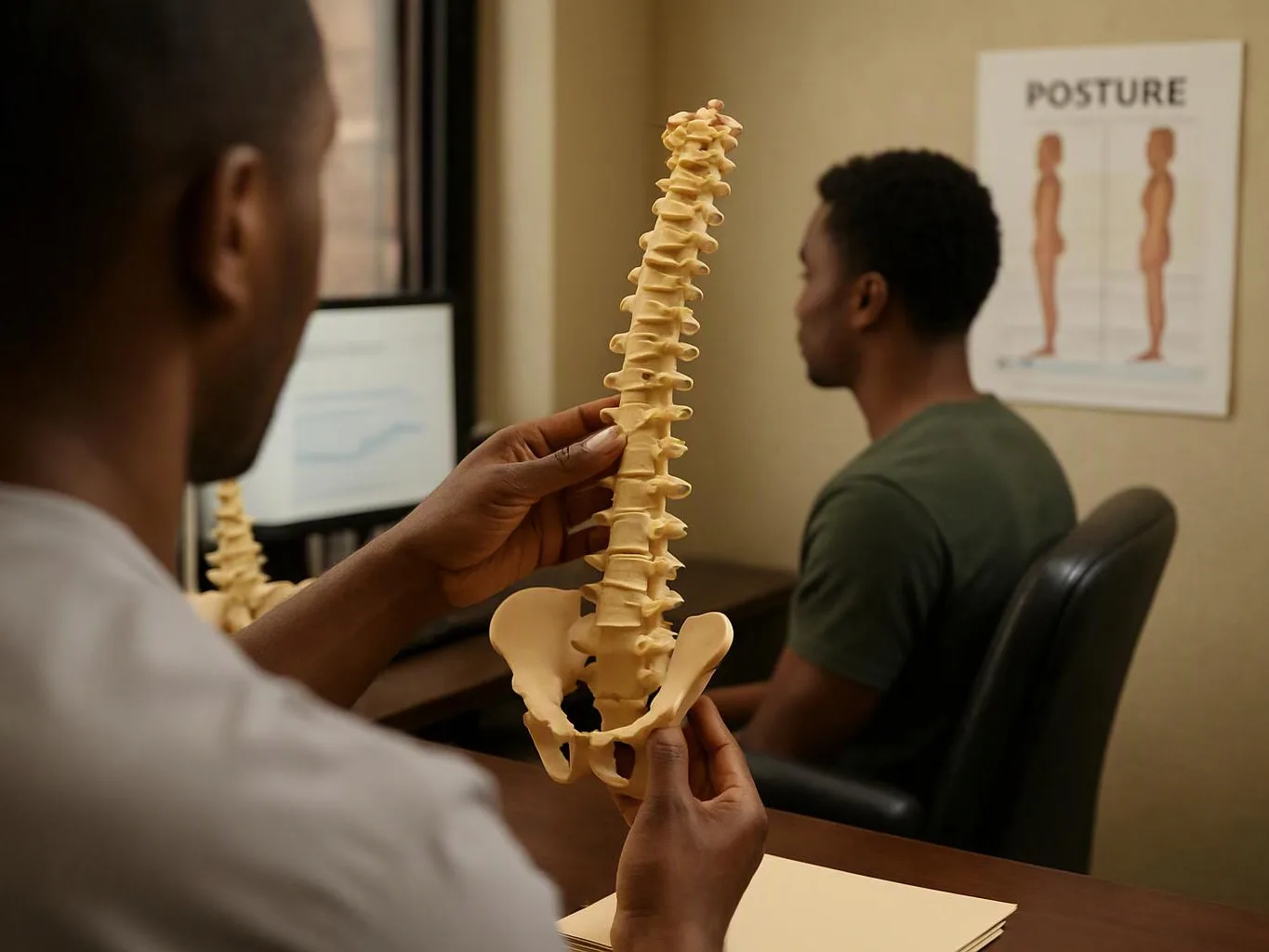
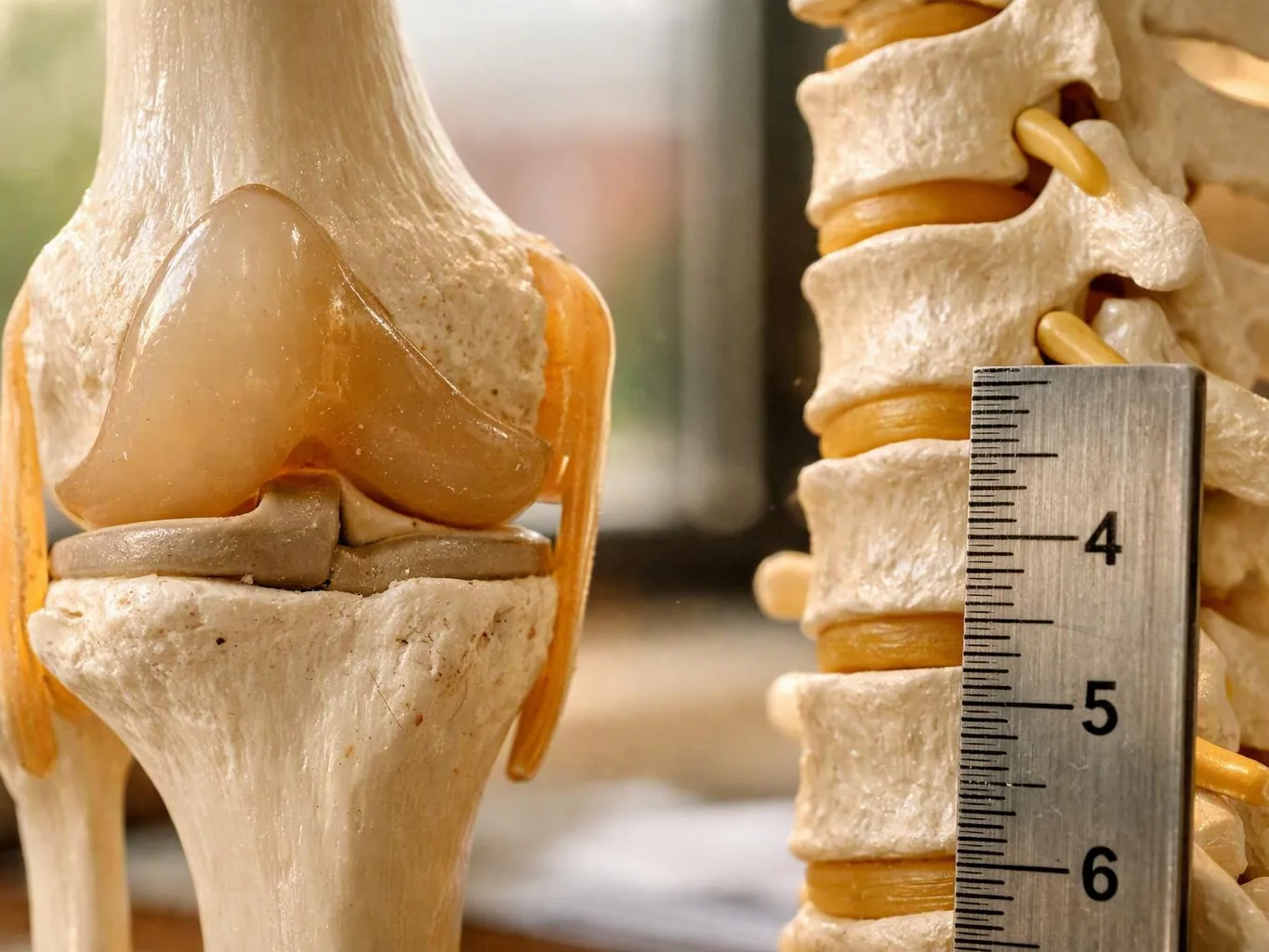
The spine, pelvis, trunk, and surrounding muscles help guide the exercise focus. Findings from posture and movement checks show where control, strength, or flexibility needs attention. Corrective exercises may then target core strength, stretching, or movement habits. The plan should match your symptoms and not force painful motion.
When should scoliosis symptoms receive medical attention?
New weakness, numbness, loss of bladder control, severe pain, or sudden changes need prompt medical attention. Chiropractic care does not replace urgent medical evaluation. Patients with less urgent stiffness or movement concerns can discuss their history and goals during an assessment. Our team explains when another type of care may be needed.
Why might stretching be part of a care plan?
Stretching may support flexibility when tight muscles affect comfortable movement. Our team selects methods based on posture, symptoms, and movement findings. Patients should use controlled motion and stop if an exercise causes sharp or unusual symptoms. Stretching works as one part of care, not as a complete plan for every person.
How does chiropractic care differ from physical therapy for scoliosis?
Chiropractic care may combine spinal adjustments with posture and exercise guidance, while physical therapy often centers on rehabilitation and functional training. The better fit depends on your symptoms, goals, and assessment findings. Patients can discuss those needs with our team and seek medical guidance when symptoms fall outside routine movement concerns.
What changes the cost of a scoliosis care plan?
The recommended services, assessment findings, and treatment plan change the cost of care. A plan that includes adjustments, exercises, or follow-up review may differ from an assessment alone. We discuss the proposed scope during a free consultation. Patients can ask which services are included before choosing their next step.