What causes knee pain during daily activities?
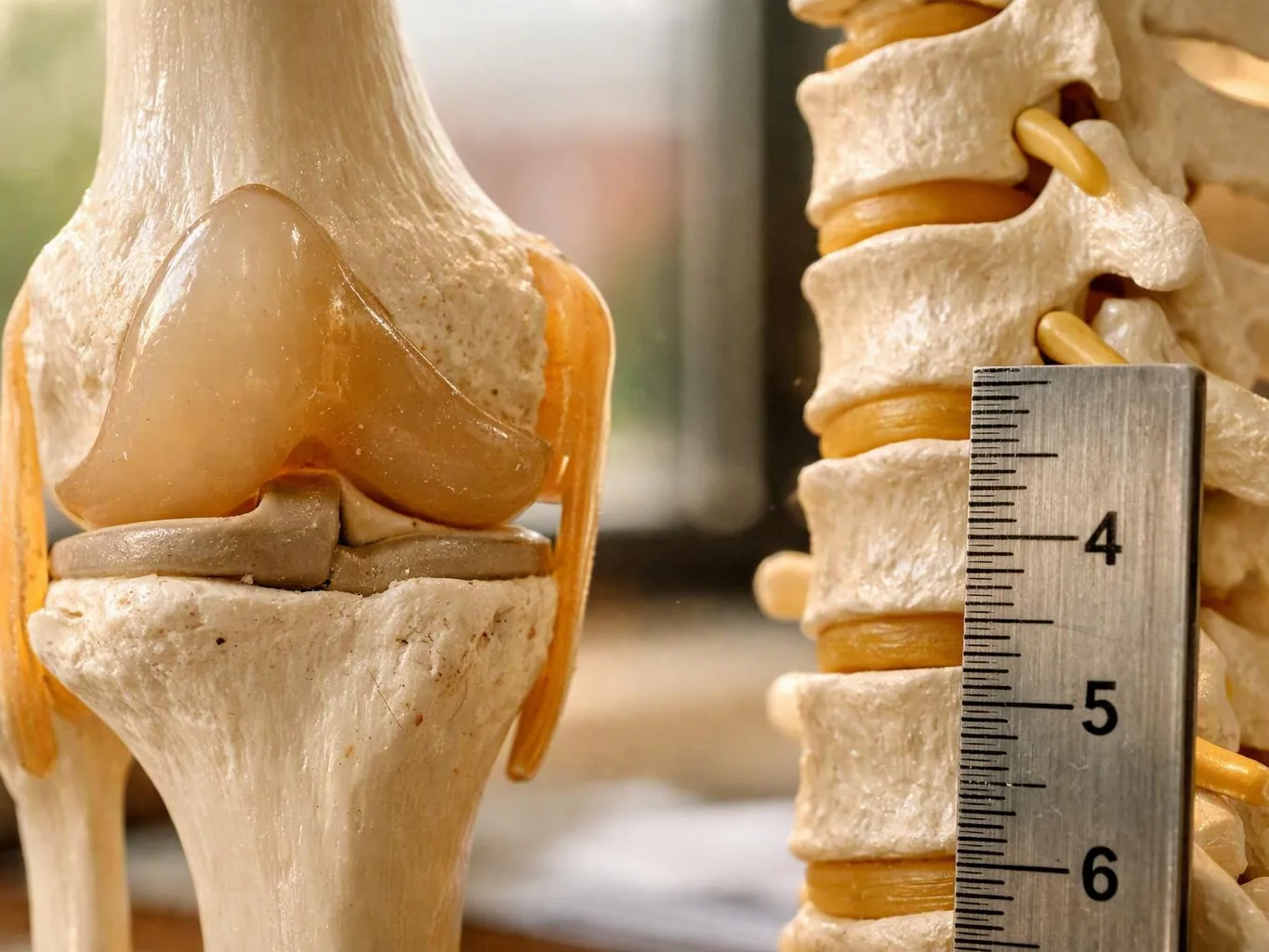
Ligament strain can cause knee pain during walking, stairs, standing, or exercise. Arrowhead Clinic Chiropractor Atlanta reviews joint motion, muscle function, posture, and the activity that brings on symptoms. Joint inflammation, cartilage damage, and muscle weakness can also shape the care plan. Sudden severe pain or inability to bear weight needs prompt medical attention.
How does a knee pain visit move from the first call to the last step?
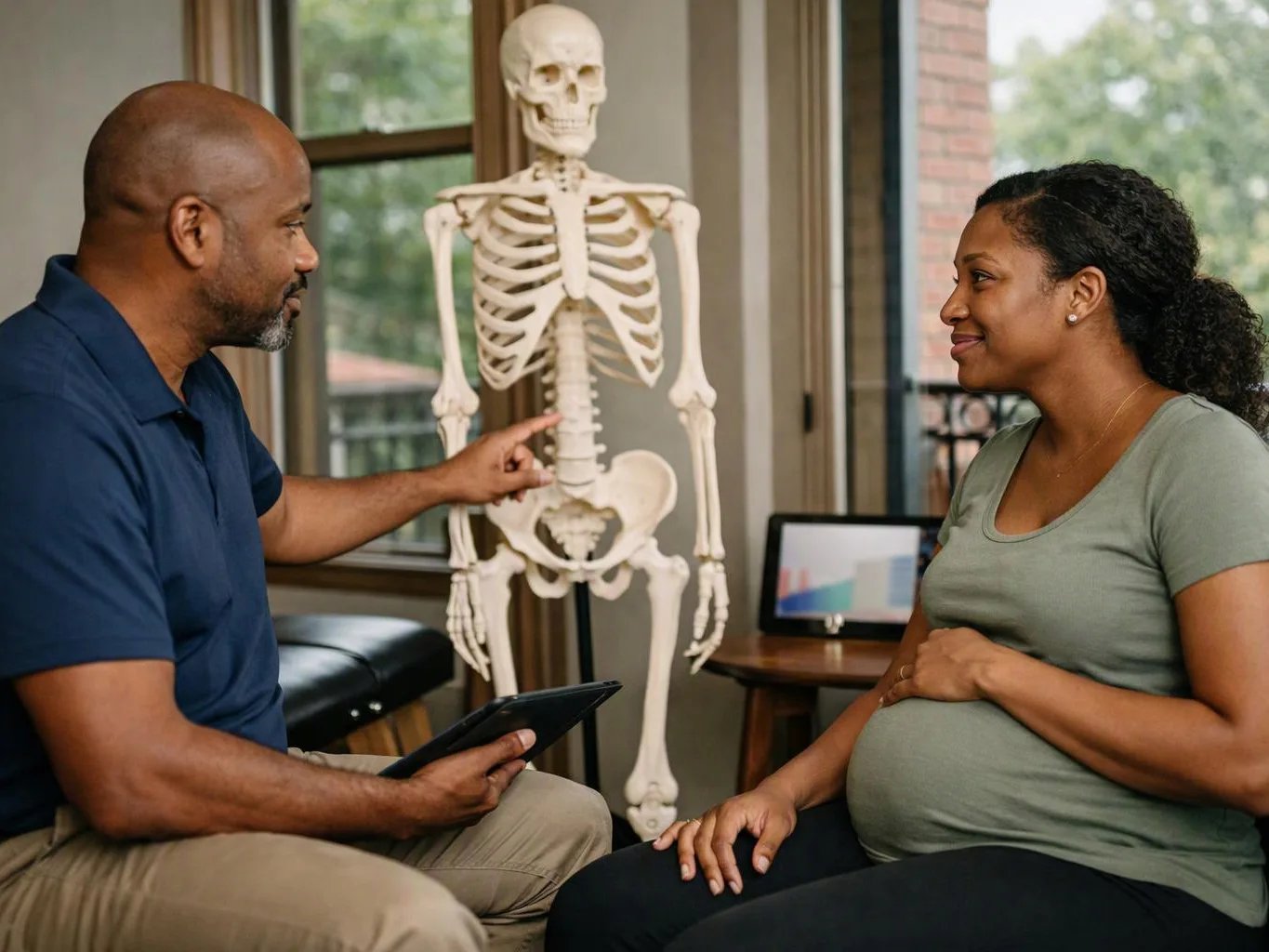
The visit moves from intake to assessment, explanation, treatment planning, and follow-up. We review your health history and symptoms first. The exam then considers knee motion, posture, nearby joints, and muscle function. Your plan may include adjustments, soft tissue therapy, exercises, or wellness guidance when those options fit.
Which part of knee care changes how much time the visit needs?
The assessment needs more attention when symptoms involve several joints, movement limits, or a complex health history. We review those factors before discussing care. A focused exam may support a simpler plan, while related hip, spine, or muscle concerns can require broader discussion. Ask our team what your first visit includes.
What should I bring to my first knee pain appointment?
A current medication list, health history, injury details, and notes about painful activities help us assess your concern. Bring any prior imaging or medical records that relate to the knee. We use those details with the movement exam, and we explain whether further evaluation is appropriate.
Can chiropractic care help knee pain after an auto accident?
Chiropractic care may fit some knee symptoms after an auto accident, depending on the injury findings. We review the accident history, pain pattern, movement limits, and related back or neck concerns. Severe trauma or a suspected fracture needs medical evaluation before routine chiropractic care.
How can I tell whether knee pain care fits my symptoms?
Knee pain care may fit movement-related symptoms that do not require urgent medical attention. A consultation helps match your concerns with an exam and non-invasive options. Deformity, major swelling, sudden inability to bear weight, or severe trauma points to prompt medical evaluation instead.
Why does knee pain return during exercise?
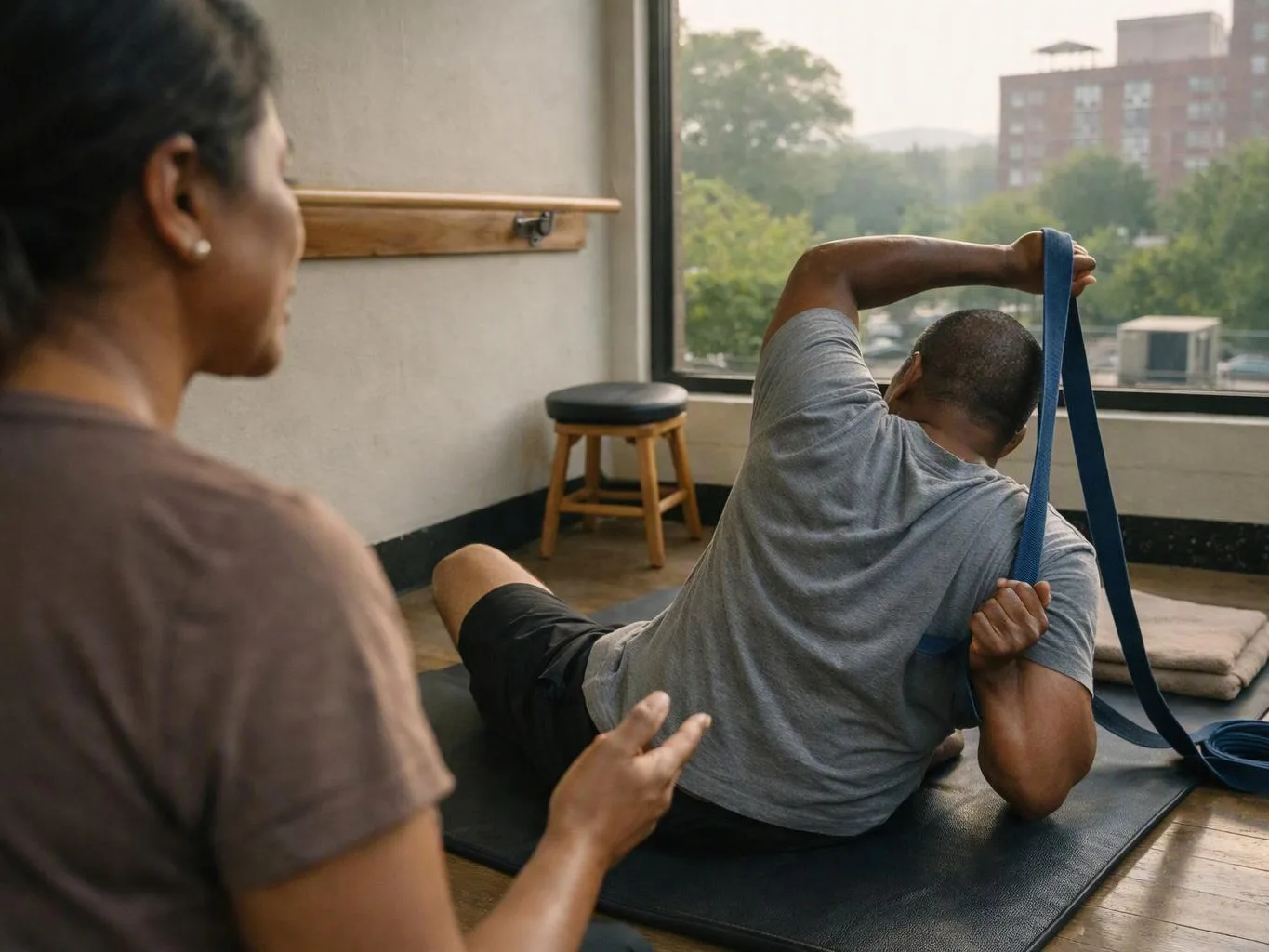
Knee pain can return when joint stress, muscle weakness, movement habits, or training load exceed what the body tolerates. We review the activity, posture, knee motion, and nearby muscle function. The plan may include corrective exercises and guidance on safe activity changes.