How does movement screening identify the source of hip pain?
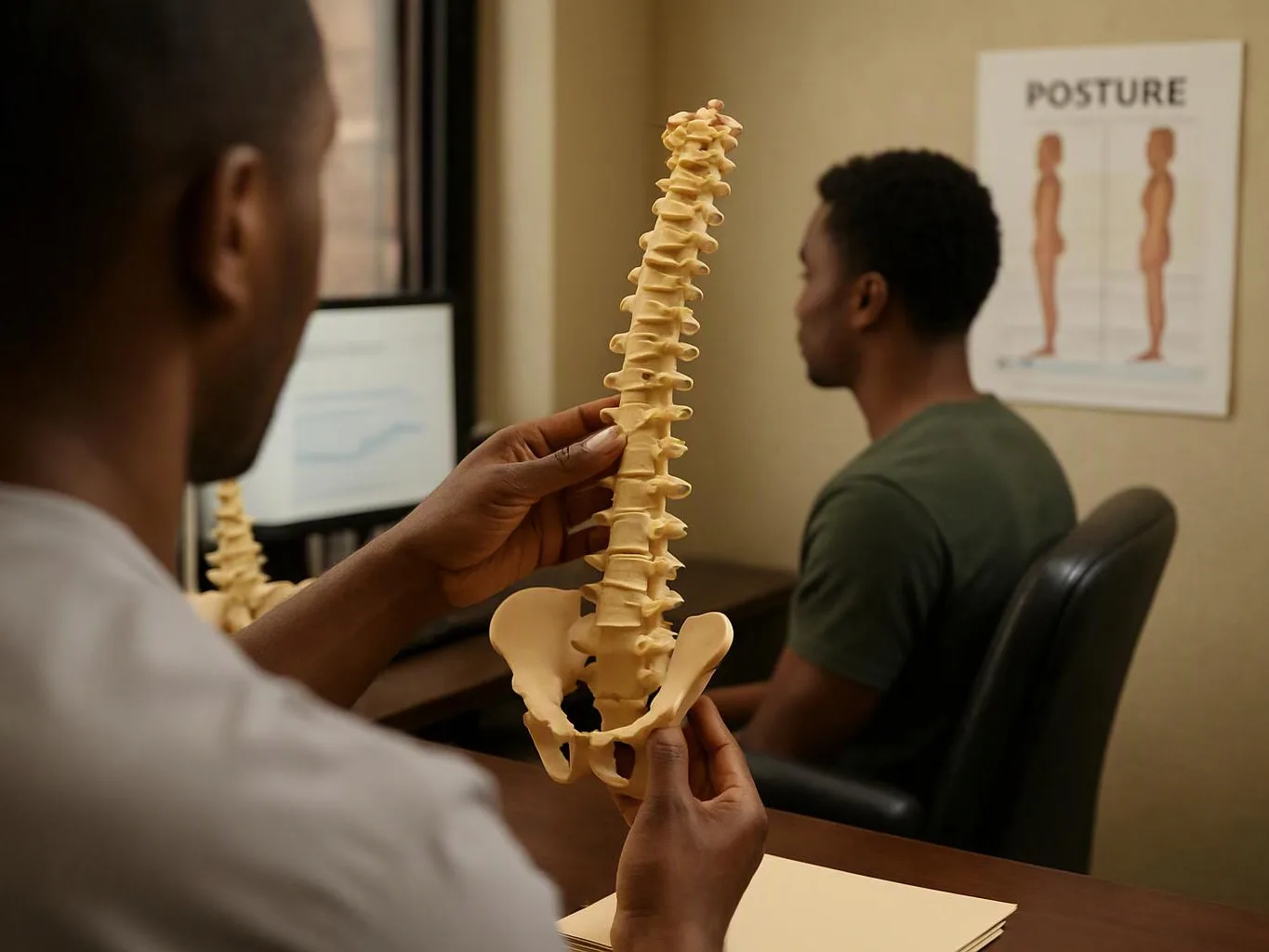
Movement screening identifies possible pain sources by checking hip mobility, walking patterns, posture, and related spinal movement. Arrowhead Clinic Chiropractor Atlanta also reviews your health history and symptoms. The exam helps us explain whether pain may involve the hip, lower back, or referred structures. We then discuss suitable care options before treatment begins.
What happens during a first visit for hip pain?
A first visit includes a new patient intake, health history, physical exam, and discussion of your goals. We review how symptoms affect walking, sitting, work, and activity. X-rays may be considered if clinically indicated. After the exam, we explain the findings and outline a personalized treatment plan.
Which part of my movement decides the care plan?
Hip mobility and walking patterns help shape the care plan. Posture, spinal movement, symptom location, and health history add important context. Our team compares these findings with your goals before recommending adjustments, exercises, or other non-invasive options. The plan focuses on the movement limits that matter most to you.
When should hip pain receive medical attention first?
Hip pain needs medical attention first after major injury or with severe, sudden, or unusual symptoms. Medical assessment also fits when weakness or other urgent warning signs appear. Chiropractic care begins after the situation is suitable for it. We can review your concerns during a consultation and explain the next step.
Why can pain appear in the hip when the source is elsewhere?
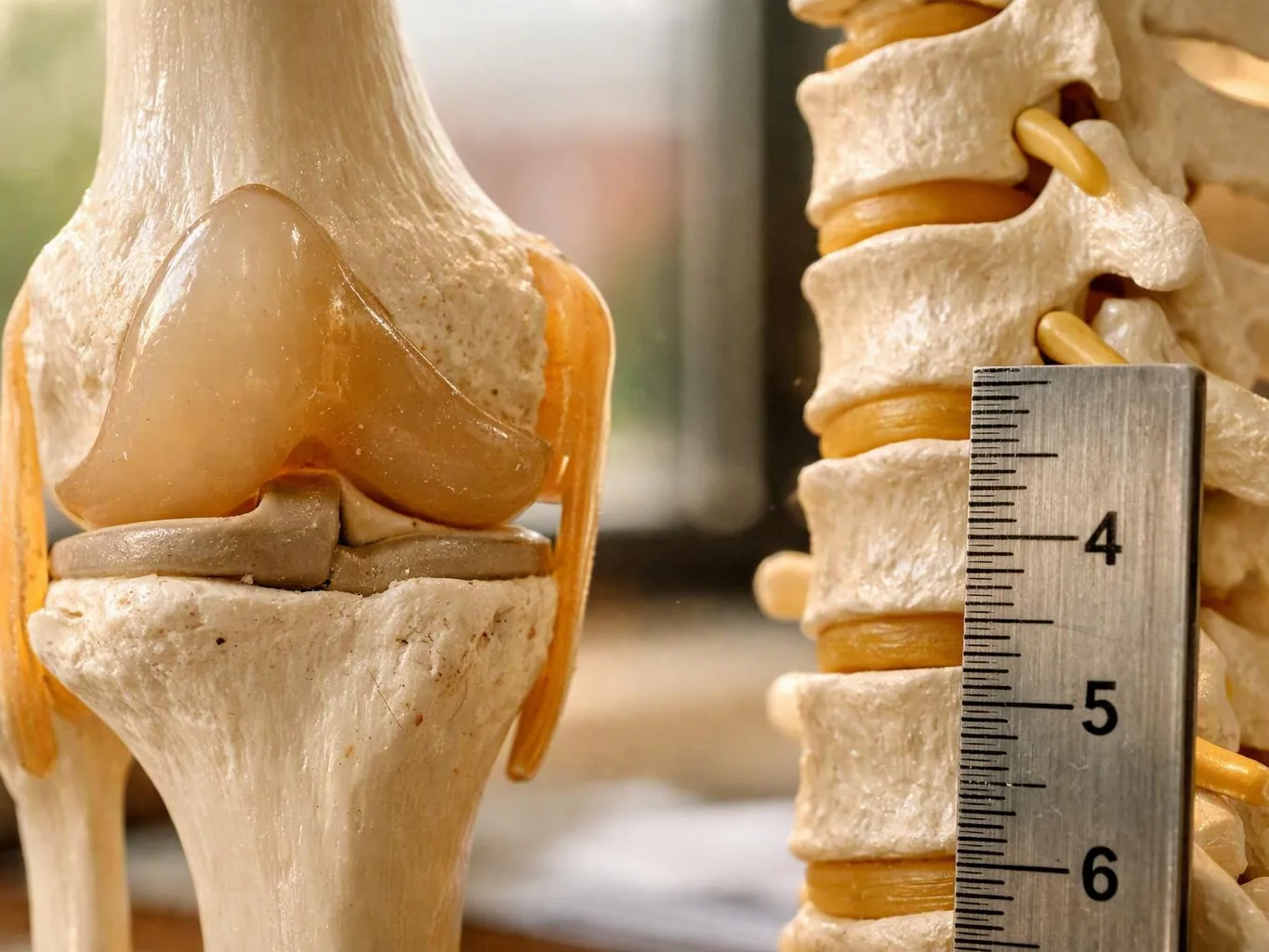
Pain can appear in the hip when nearby nerves, joints, muscles, or the lower back refer symptoms there. The exam checks movement and symptom patterns to look for these links. We do not treat the hip in isolation when the findings point elsewhere. Your care plan follows the assessment.
What should I bring to my first appointment?
Your symptom history, medication details, prior imaging, and relevant medical records can help guide the first visit. Bring notes about activities that increase or ease the pain. These details support the health history and exam. Our team then explains which findings matter for treatment planning.
Which treatment options may follow the examination?
Treatment options may include chiropractic adjustments, soft tissue therapy, posture evaluation, corrective exercises, and wellness guidance. The examination determines which options fit your symptoms and goals. We explain each recommendation before care begins. Individual response differs, so follow-up findings guide later adjustments to the plan.