Which treatments can improve hip pain and mobility?
Strength exercises can improve hip support and mobility when they fit your current ability. We may also use mobility exercises, chiropractic adjustments, soft tissue therapy, or gait training. The first assessment helps us choose the right mix for your symptoms, goals, and movement pattern.
What happens during a first hip pain visit?
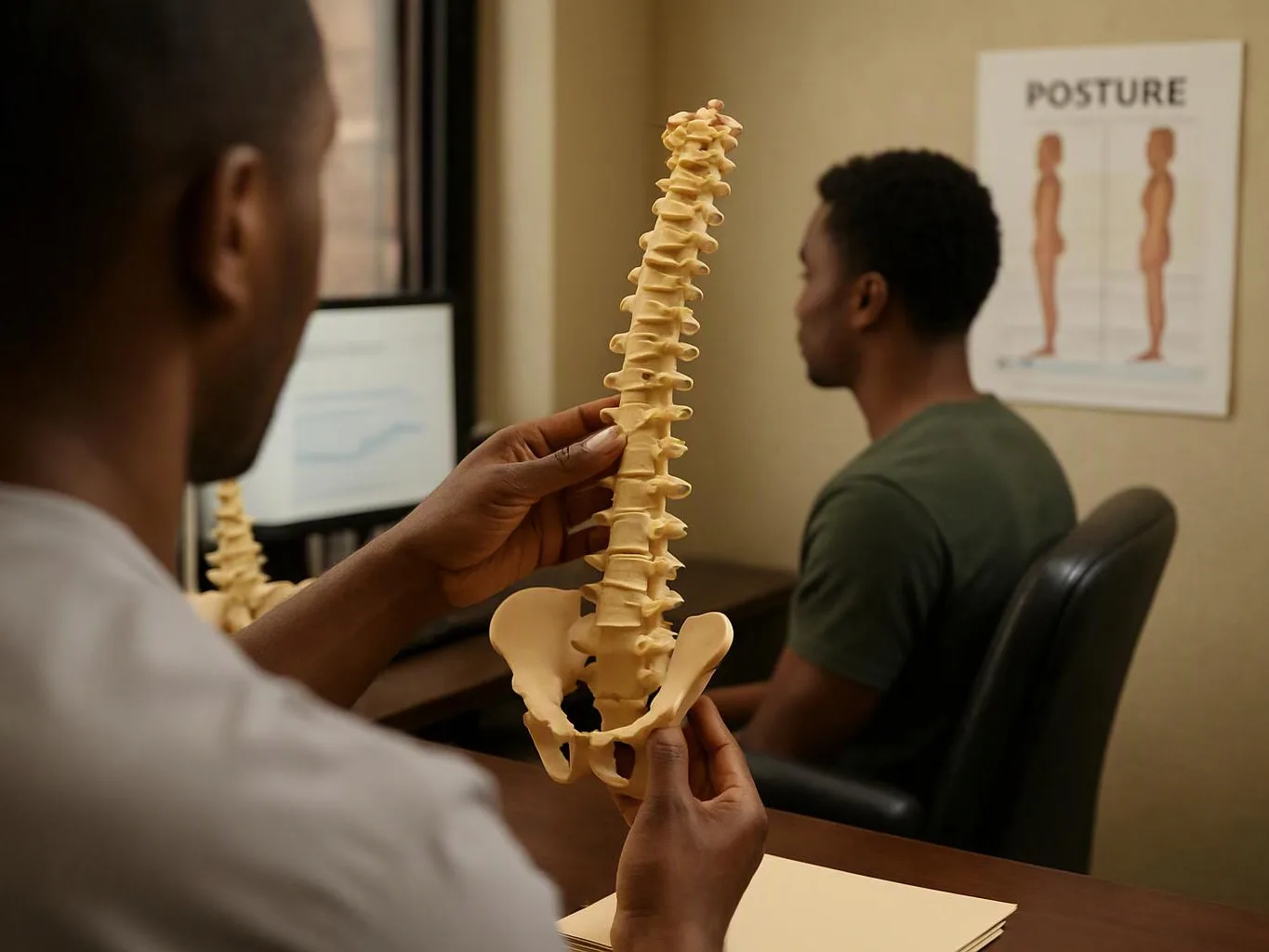
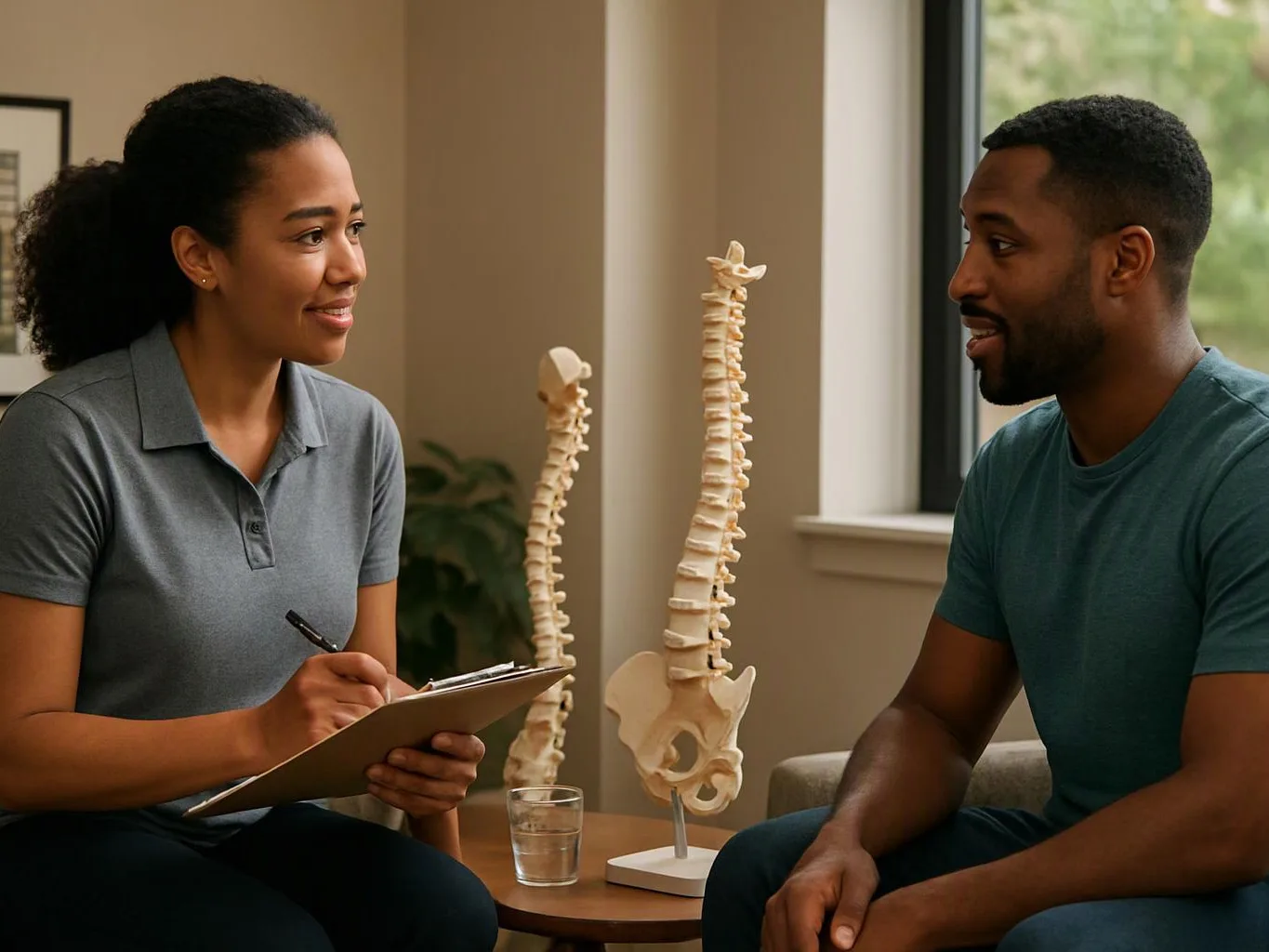
A first visit includes a new patient intake, health history, movement review, and discussion of your goals. We check posture, gait, hip motion, and related joint movement. Then we explain a personalized treatment plan and answer questions before care begins.
How does a hip pain visit move from the first call to the last step?
The visit moves from consultation to assessment, treatment planning, care, and progress review. We first discuss symptoms and goals, then check movement and posture. After that, we explain suitable options, provide agreed care, and discuss follow-up needs.
Which part of this care decides the treatment scope?
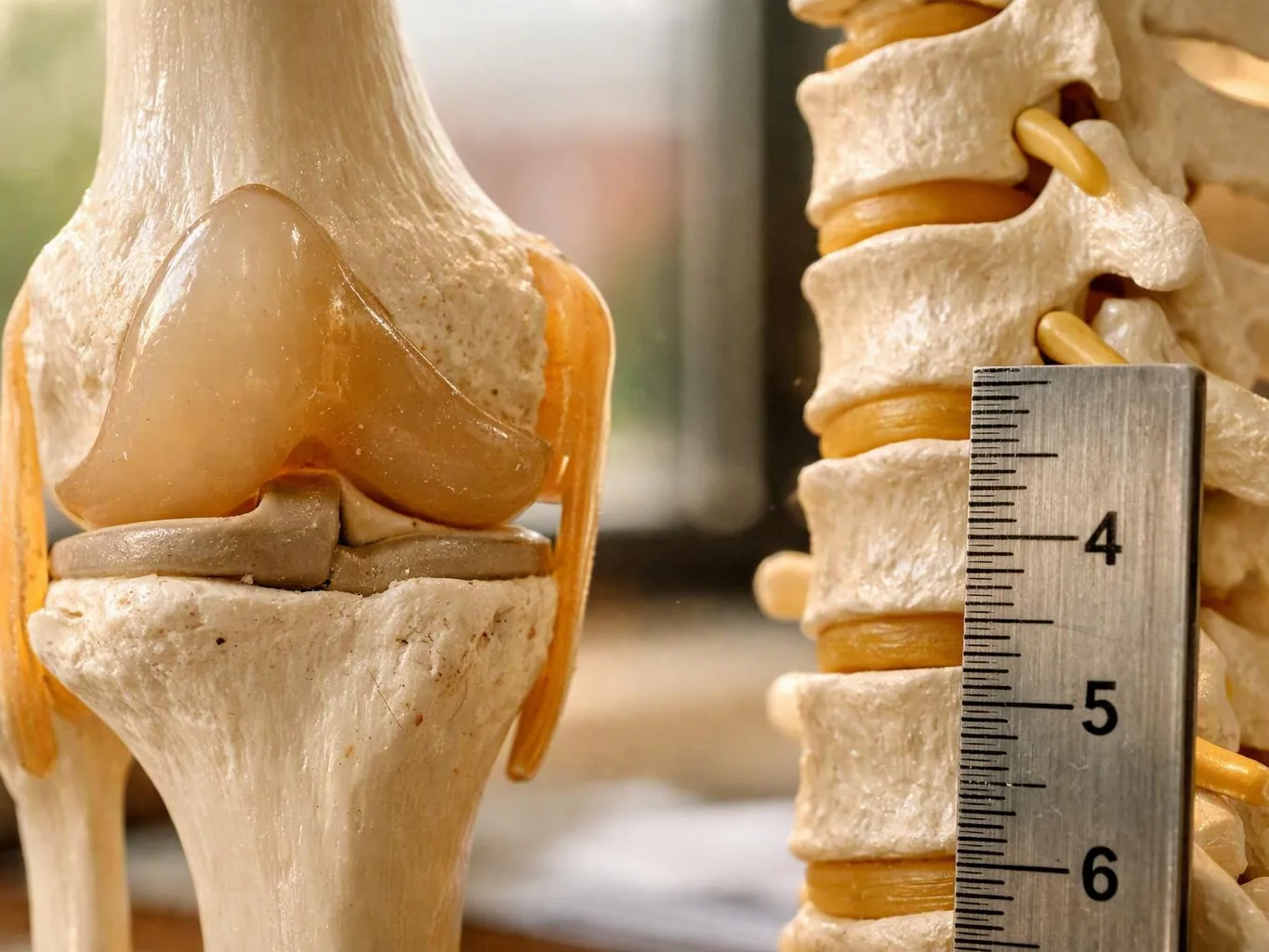
The assessment decides the treatment scope by linking symptoms with movement, posture, gait, and daily activity. We consider whether the hip, spine, muscles, or related joints need attention. That review guides the treatment plan and helps identify when another medical evaluation is needed.
Which material changes how long hip care takes?
No single material sets the care time because chiropractic treatment is based on your symptoms and response. The relevant factors include the treatment plan, movement limits, exercise needs, and follow-up findings. We discuss the plan during the consultation without promising a fixed duration.
Why might hip pain need care beyond an adjustment?
Hip pain may need more than an adjustment when muscle tension, limited mobility, or gait changes affect movement. We may add soft tissue therapy, mobility work, or exercise guidance after checking your needs. Symptoms that require medical diagnosis should receive appropriate medical evaluation.
Can I bring imaging or health records to my first visit?
Yes, relevant imaging and health records can help us understand your history. Bring information about current symptoms, past injuries, and other care you receive. We review the available details, perform an assessment, and explain whether further evaluation is appropriate.