Skip to content

Corrective Exercise Therapy in Conley, Georgia

When progress tracking shows a movement needs adjustment, we refine the plan in Conley. When the plan needs replacement, we reassess the movement and activity goal.

5 · 1,600 ReviewsSame-Day ServiceUpfront, Transparent PricingAll Major Brands

Quick Summary: Corrective Exercise Therapy in Conley, Georgia

Corrective Exercise Therapy in Conley is provided by Arrowhead Clinic Chiropractor Atlanta for movement checks, exercise selection, and activity goals across the surrounding area. Care plans may include corrective exercises alongside chiropractic treatment, rehabilitation programs, massage therapy, or physical therapy.

  • What we do: Arrowhead Clinic Chiropractor Atlanta provides Corrective Exercise Therapy in Conley, Georgia, with movement assessment, exercise selection, and activity-based care planning.
  • What is included: Key capabilities include movement assessment, corrective exercise selection, rehabilitation planning, progress checks, and care plans linked to daily activities.
  • What you get: The client receives an exercise plan that matches current movement findings and personal activity goals.

Why does my movement problem keep returning after exercise?

A movement problem may return when the exercise plan no longer matches current strength, control, or activity demands. A movement assessment helps identify that change. The plan may then need a different exercise, a new level of challenge, or a closer link to daily tasks. Persistent or worsening symptoms should be discussed during a clinical visit.
Our Track Record

Average Rating
5
Customer Reviews
1600

Corrective Exercise Therapy in Conley for Progress Tracking

Corrective exercise therapy focuses on the gap between a patient’s current movement and the activity they want to perform. The work may suit someone with back pain, neck pain, sciatica, whiplash, a sports injury, or reduced movement after an accident.

The key decision is whether the existing plan needs a small adjustment or a new direction. Our team checks movement quality, symptom response, exercise control, and the demands of work, sport, or home life. Results vary, so we use follow-up findings to guide the next step instead of promising a fixed outcome.

A movement assessment helps connect the plan to the patient’s real goals. In Conley, clients can request this service through the clinic’s same-day appointment schedule or a free consultation.

  • Identify the movement or activity that remains difficult.
  • Review health history, symptoms, and current exercise habits.
  • Match exercise choice to control, strength, and tolerance.
  • Track changes during follow-up care.
  • Ask when the plan should be adjusted or replaced.
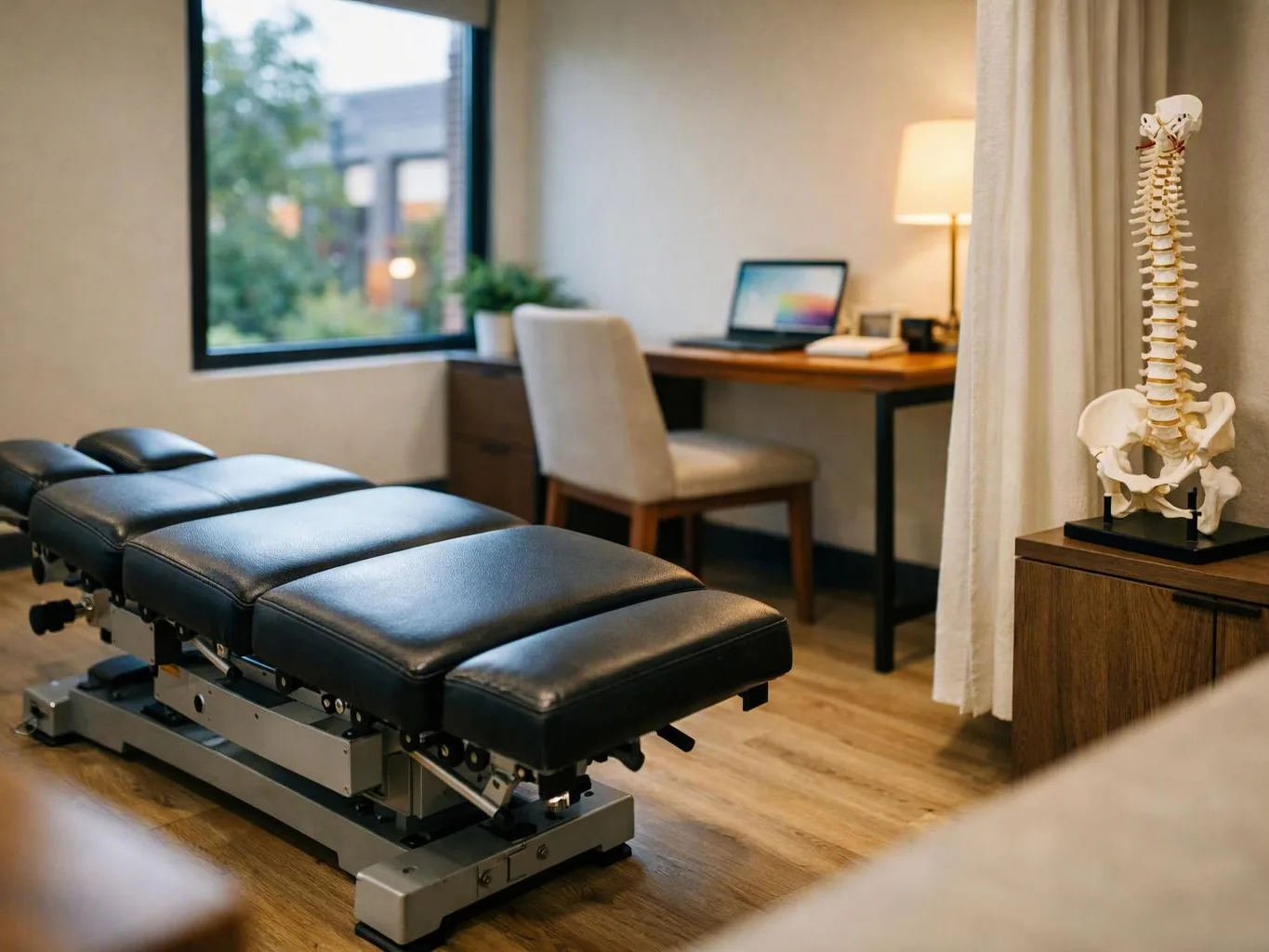
A black padded treatment table sits in a calm therapy room beside a desk, lamp, and spine model

Service Overview

Corrective Exercise Therapy is a guided care method that uses targeted movements to support better control, strength, and daily function.

  • Chiropractic adjustments address joint movement, while corrective exercises help the client practice controlled movement between visits.
  • Arrowhead Clinic Chiropractor Atlanta provides this care for clients in Conley and the surrounding area.

What Corrective Exercise Therapy Includes for Your Care Plan

Arrowhead Clinic Chiropractor Atlanta provides comprehensive Corrective Exercise Therapy in Conley. Here's what you get:

  • We review health history, symptoms, and the activities that matter to you.
  • We assess movement patterns during relevant exercises or functional tasks.
  • We select corrective exercises that match your current ability and goals.
  • We explain how each exercise supports the planned treatment.
  • We check your response and adjust the plan when findings change.
  • We may coordinate corrective exercises with rehabilitation, massage therapy, physical therapy, or spinal adjustments.

What Changes When Exercises Match Your Activity Goals

A focused plan shows which movements need practice and which need modification.

Exercise selection becomes easier to understand because each movement has a clear purpose.

Activity goals help connect clinic exercises with work, sport, home tasks, or self-care.

Follow-up checks help identify when a plan needs adjustment.

Regular maintenance may help support movement habits after the main care goal changes.

What You Get From a Movement-Based Care Plan

A plan tied to daily movement

Activity goals give the exercise plan a practical target, such as easier walking, lifting, reaching, or sport movement. The plan is not a substitute for urgent medical care when symptoms need a different evaluation.

Exercise choices explained plainly

Our team explains what each movement is meant to train and how it fits the wider care plan. That gives you a better basis for asking questions during follow-up visits.

Follow-up based on findings

Movement control and symptom response guide changes to the plan. Individual response differs, so exercises are reviewed as the patient’s needs and activity demands change.

Process

How We Develop a Corrective Exercise Plan

1

Review the movement concern

We begin with the new patient intake, health history, symptoms, and the activity the patient wants to improve.

2

Assess movement and control

The team observes relevant movement patterns and considers strength, control, balance, and symptom response.

3

Choose exercises for the goal

We select exercises that fit the patient’s current ability and connect with work, sport, home, or self-care needs.

4

Explain the care plan

We describe the purpose of each exercise and how it fits with adjustments, rehabilitation, massage therapy, or physical therapy when included.

5

Track and revise progress

Follow-up findings show whether the plan needs an adjustment, a new exercise, or a different activity goal.

How Care Methods Support Different Movement Goals

These approaches serve different purposes, so the care choice depends on the patient’s findings and activity goal.

Care methodMain focusHow it may fit the plan
Corrective exercisesControlled movement and activity practiceSupports a plan tied to daily or sport goals
Spinal adjustmentsJoint movement within chiropractic careMay be combined with exercise when appropriate
Physical therapyFunctional rehabilitation and movement trainingMay be included when the care plan calls for it

The Arrowhead Clinic Chiropractor Atlanta Standard

  • Professional Scope
  • Individual Evaluation
  • Clear Explanations
  • Patient Education

Customer Reviews for Corrective Exercise Therapy in Conley

5(1600 Customer Reviews)View our Google Business Profile
Jermaine Cheek
Jermaine Cheek
9 months ago
Verified on Google
Great Staff. Everyone is Freindly and helpful. Never had a long wait time and the exercises and stretching techniques are VERY HELPFUL
Tee Jackson
Tee Jackson
Edited 10 months ago
Verified on Google
GREAT SERVICE DOCTOR VERY NICE EXPLAINS EVERYTHING VERY WELL. THEY MAKE YOU FEEL LIKE YOUR AT HOME THE LADY WHO SITS IN THE EXERCISE AREA VERY NICE AND HELPFUL. FRONT STAFF GREAT ALWAYS GREET WITH A SMILE!
Dianne D. Harris
Dianne D. Harris
a year ago
Verified on Google
It’s been a Honor coming into a place that not only does Physical rehabilitation but they also have other method of ensuring that your Health is important by having a Medical Staff on boarded with a Great Doctor Team such as Doctor Weldon, but for Me The Service is Super Outstanding from coming into the Door and Greeted by The Staff Ms. Kim and others to getting started with treatment with Niya and others has been My privilege. If l had to say This Arrowhead Clinic on Cascade get 5 stars and that just being apart of the Atmosphere. Thanks to You All for such Great Dedication. From Cowgirl Diana Harris.

Questions About Corrective Exercise Therapy and Care Plans

How is a corrective exercise plan developed?

Progress tracking helps decide whether a corrective exercise plan needs adjustment or replacement. Arrowhead Clinic Chiropractor Atlanta starts with the health history, movement assessment, and activity goal.

  • Movement findings guide exercise selection.
  • Symptoms and control shape the exercise level.
  • Follow-up findings guide later changes.

The plan may work alongside rehabilitation, massage therapy, physical therapy, or spinal adjustments.

What should be ready before corrective exercise therapy starts?

A clear activity goal and accurate health history help the team build a safer exercise plan. Bring a list of current symptoms, past injuries, and activities that feel difficult.

Wear clothing that allows comfortable movement during the assessment. Share any exercise you already perform, including movements that increase symptoms. Those details help the team choose useful tests and avoid plans that do not fit your daily needs.

Which condition changes the time needed for corrective exercise therapy?

The patient’s movement control, symptom response, injury history, and activity goal can change the time needed for plan development. A simple movement concern may need fewer decisions than a plan linked to an accident injury or sports demand.

The team reviews these factors during assessment. We don’t promise a fixed timeframe because the plan must match the patient’s findings and response.

What should I ask before agreeing to a corrective exercise plan?

Ask what movement the plan targets, how each exercise connects to your activity goal, and how progress will be checked. Those questions clarify the purpose of care before you begin.

You can also ask which symptoms should be reported, when the plan may change, and how corrective exercises fit with other treatments. Clear answers help you decide whether the plan matches your needs.

Can corrective exercises help after a car accident injury?

Corrective exercises may support movement goals after a car, truck, motorcycle, or rideshare accident injury. The first step is a health history and clinical evaluation.

Whiplash, back pain, neck pain, and other symptoms can affect movement in different ways. Our team considers the injury history, current symptoms, and activity goals before selecting exercises. Individual response differs, so follow-up checks remain part of the plan.

Should I choose exercises or spinal adjustments for back pain?

The choice depends on the findings, the patient’s symptoms, and the activity goal. Corrective exercises train controlled movement, while spinal adjustments address joint movement as part of chiropractic care.

Some care plans include both approaches. Our team reviews the health history and exam findings before discussing suitable options. You can ask how each treatment fits your goals and what follow-up will check.

When should an exercise plan be replaced instead of adjusted?

A plan may need replacement when the movement goal changes, the exercise no longer fits the patient’s ability, or the findings point to a different need. A small change may be enough when the exercise remains suitable.

The team reviews control, symptom response, and activity demands during follow-up. Report new or worsening symptoms so the plan can be reviewed before you continue.
Contact

Discuss Corrective Exercise Therapy in Conley

Arrowhead Clinic Chiropractor Atlanta can discuss movement assessment, exercise selection, and activity goals for care in Conley. Book a free consultation or ask about a same-day appointment Monday through Friday from 9 AM to 7 PM.

ZIP Codes We Serve in Conley, Georgia

30288

Corrective Exercise Therapy in Other Areas

The health and wellness information on this website is for general informational purposes only and is not medical advice. It does not create a provider-patient relationship. Always consult a qualified licensed provider in Atlanta, Georgia, United States about your specific condition before making care decisions. Individual results vary.

(770) 637-0564