When should I seek treatment after an auto accident?
Limited movement after an accident is a reason to seek an assessment, especially with neck pain, back pain, or numbness. Arrowhead Clinic Chiropractor Atlanta reviews your symptoms and health history before recommending care. Delayed symptoms still matter, so note when they began and what movements affect them.
What happens during the first visit for whiplash?
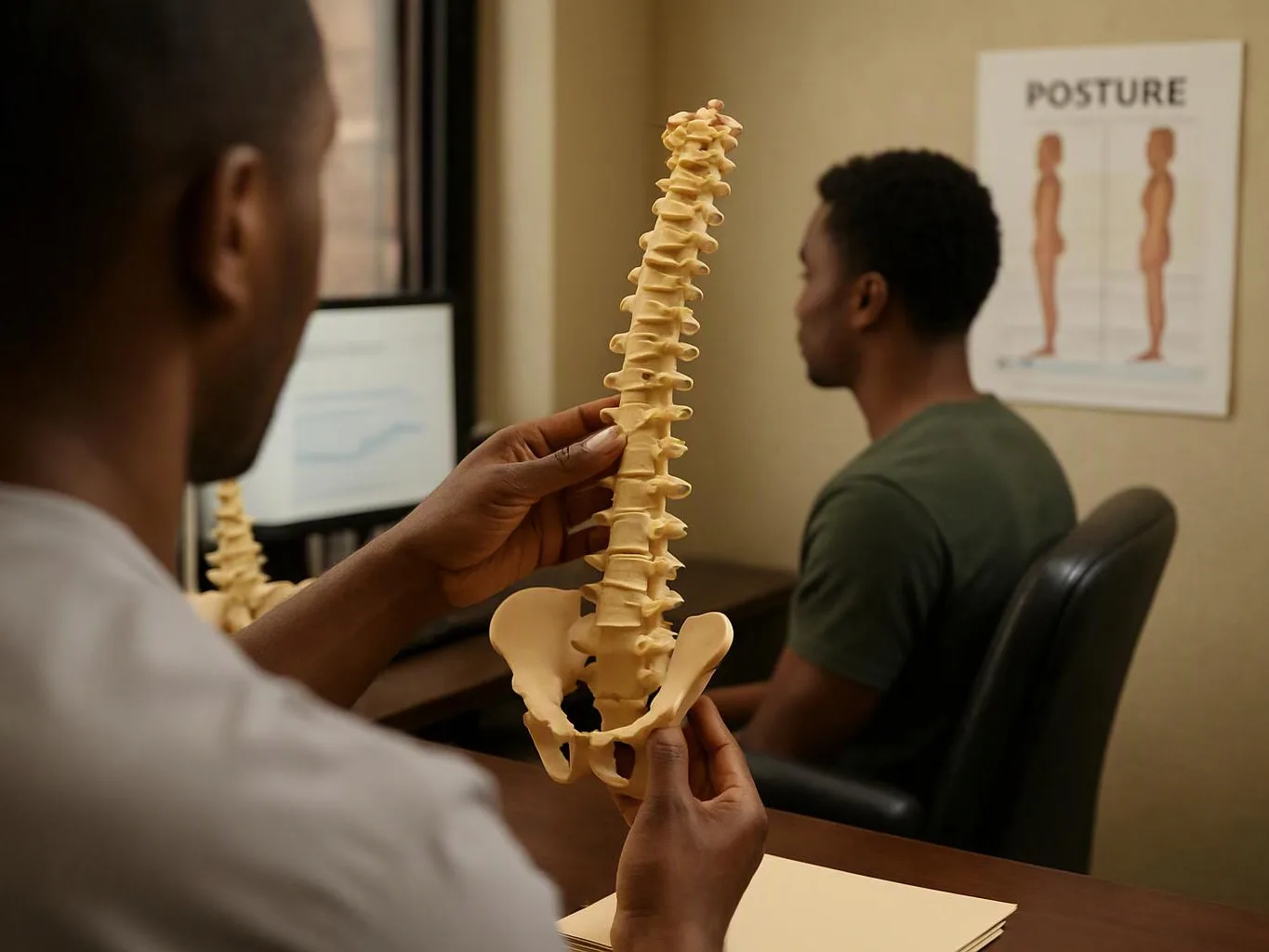
A first visit for whiplash includes a new patient intake, health history, movement exam, and posture review. We ask how the accident changed your neck motion and daily activity. X-rays are considered if clinically indicated, and we explain the findings before discussing a treatment plan.
What does the care team look at first after a crash?
The first review covers your accident history, current symptoms, movement, and posture. We also ask about numbness, tingling, weakness, and pain patterns. Those details help us decide whether chiropractic care fits your needs or whether another medical evaluation should come first.
What should be checked before treatment is scheduled?
Your health history and current symptoms should be checked before treatment is scheduled. Bring accident details, a list of symptoms, and information about care you have already received. We use that information with an exam to explain suitable options and any limits of chiropractic care.
Which symptoms should not wait for a chiropractic visit?
Severe or unusual symptoms should receive medical evaluation before chiropractic treatment. New weakness, worsening numbness, or major changes after an accident need careful attention. Tell our team about these signs during scheduling so we can explain the safest next step.
How does chiropractic care differ from physical therapy after a crash?
Chiropractic care focuses on spinal care, adjustments, posture, and musculoskeletal movement concerns. Physical therapy may focus more on rehabilitation exercises and functional training. We review your symptoms and goals first, then explain whether our approach fits or whether another service better matches the problem.
How do I know which care options fit my symptoms?
Your exam findings, health history, symptom pattern, and movement goals guide the care options. We may discuss adjustments, soft tissue therapy, posture work, or corrective exercises. Individual response differs, so we review progress and adjust the plan when the findings support a change.