Back or Neck Pain With Numbness or Weakness: What to Do Next
Back or neck pain with numbness, tingling, or weakness can involve an irritated or compressed nerve and needs attention when symptoms worsen, spread, or affect strength. Arrowhead Clinic Chiropractor Atlanta evaluates the symptom pattern, screens for warning signs, and helps determine whether chiropractic care or urgent medical assessment is appropriate.
Written by Dr. Clifton Weldon
Request an EstimateWhat Can Back or Neck Pain With Numbness, Tingling, or Weakness Mean?
Back or neck pain with numbness, tingling, or weakness can mean that a spinal nerve is irritated or compressed, although the symptom pattern requires assessment to identify the cause.
Nerve irritation can create radiating pain, pins and needles, or altered sensation along an arm or leg. Back pain with leg numbness may occur with sciatica, while neck pain with arm pain may follow a different nerve pathway.
Symptoms can also come from muscles, joints, or other health conditions. We review how the symptoms began, where they travel, and whether nerve function is changing. Our team can also explain appropriate Back Pain Treatment when the findings support a musculoskeletal cause.

Written by Dr. Clifton Weldon.
Which Symptoms Need Urgent Medical Attention?
Severe or rapidly worsening weakness, new loss of bladder or bowel control, numbness around the groin or inner thighs, inability to walk safely, or sudden neurological changes require urgent medical attention.
These warning signs can indicate a serious problem involving the spinal cord, nerves, or brain. Do not wait for a routine chiropractic assessment when symptoms are sudden, severe, or progressing quickly.
Call emergency medical services for sudden stroke warning signs or serious loss of function. We can help with next-step guidance when symptoms are stable, but urgent medical care comes first when red flags are present.
How Should You Prepare Before Seeking Assessment?
Before seeking assessment, record when the symptoms began and how they affect movement, sensation, and daily tasks.
Clear information helps our team identify the pain pattern and decide whether chiropractic assessment or medical referral is appropriate.
Before assessment
What Should You Do While You Are Waiting to Be Assessed?
While waiting to be assessed, use activity modification and safe movement that do not increase numbness, weakness, or radiating pain.
Avoid testing your limits through heavy lifting or repeated positions that clearly worsen the symptoms. Ask someone else to drive if weakness, reduced sensation, severe pain, or difficulty turning your head makes driving unsafe.
During the waiting period
How Do We Assess Back or Neck Pain With Numbness or Weakness?
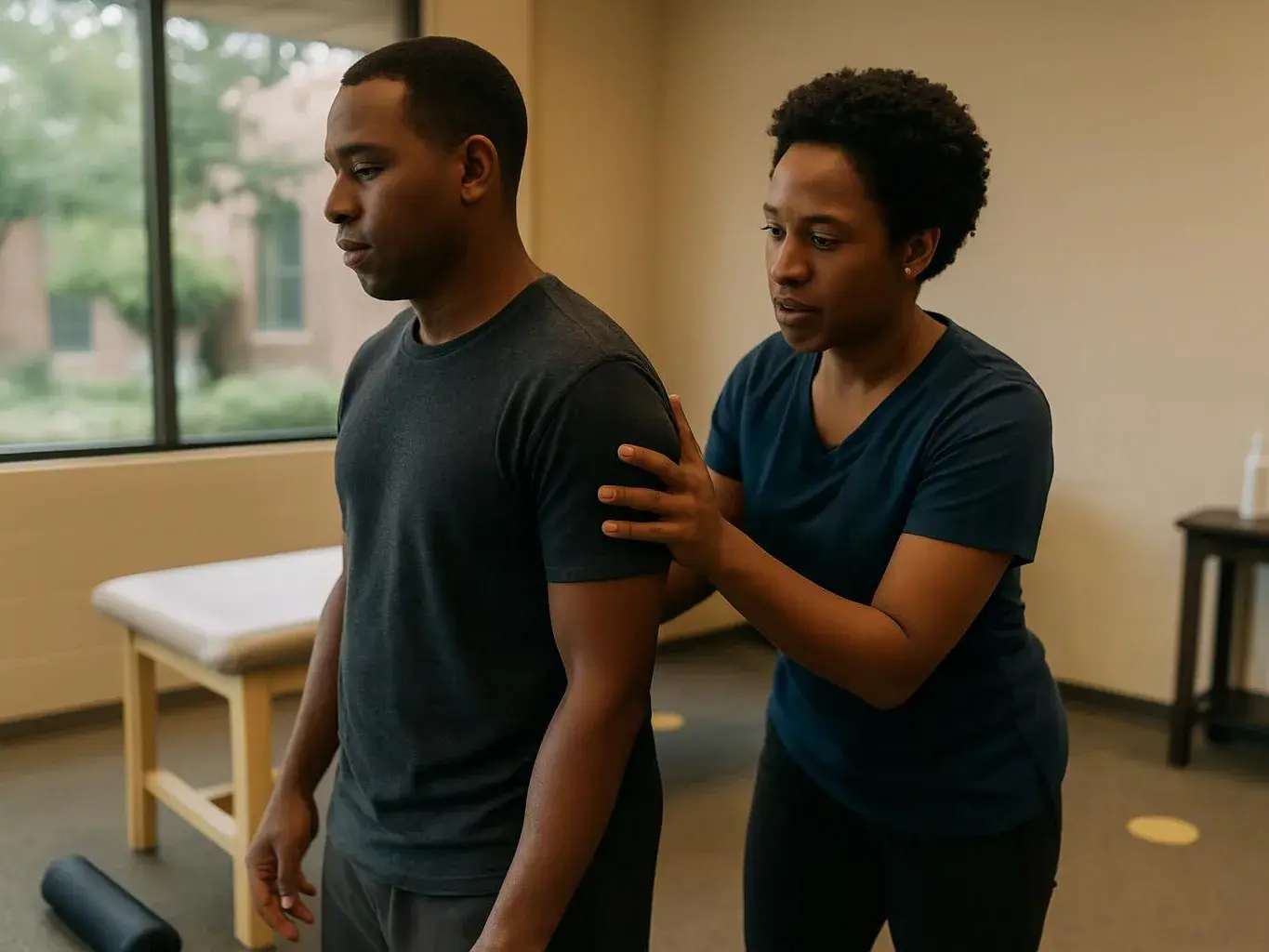
Arrowhead Clinic Chiropractor Atlanta assesses the history and neurological pattern, checks movement and strength, screens for red flags, and identifies when medical referral is needed.
Our team begins with your health history, symptom timeline, and pain pattern. We then use an orthopedic assessment and neurological screening to review range of motion, reflexes, sensation, and muscle strength.
We compare findings across the affected areas and look for changes that may suggest nerve irritation, nerve compression, or another cause. If the findings require medical evaluation, we explain the clinical referral and the reason for it.
What Should You Record During Your Symptoms?
A symptom diary should show how pain, sensation, strength, and function change during ordinary activities.
Useful notes help us connect triggers with symptom progression. Record changes as they happen instead of relying only on memory during the assessment.
During symptoms
How Can You Protect Yourself After Assessment?
After assessment, follow the care instructions and report symptom changes that affect strength, sensation, or function.
Our team explains activity limits and home recommendations that match the findings. Follow referral instructions promptly when medical evaluation is advised.
After assessment
When Can Chiropractic Care Be Considered?
Chiropractic care can be considered when assessment supports a musculoskeletal cause and no emergency warning sign is present; worsening neurological symptoms require prompt medical evaluation.
Back pain treatment and neck pain treatment may focus on spinal movement, joint function, muscle tension, and other musculoskeletal pain factors. Sciatica treatment may be considered when the pattern is suitable for conservative care and nerve function remains stable.
We do not treat worsening weakness or serious red flags as routine musculoskeletal symptoms. Our team explains when nerve-related symptoms need medical referral before chiropractic care proceeds.
How Do Numbness, Tingling, and Weakness Differ?
Numbness, tingling, and weakness describe different neurological symptoms, so their location and progression help guide assessment.
One symptom may occur with another, but a change in motor function deserves close attention. We ask when each symptom began and whether it is spreading or becoming stronger.
| Symptom | What it may feel like | Why progression matters |
|---|---|---|
| Numbness | Reduced feeling, loss of sensation, or an area that feels dull | A spreading area can show a changing sensory pattern |
| Tingling | Pins and needles, buzzing, prickling, or burning | More frequent or wider symptoms may suggest worsening nerve irritation |
| Weakness | Reduced strength or difficulty using a muscle | Progressive weakness can affect safe walking, grip, and daily function |
What Should You Do Next About Back or Neck Pain?
Your next step depends on symptom severity, progression, and red flags; Arrowhead Clinic Chiropractor Atlanta can assess appropriate chiropractic care, and urgent symptoms should be directed to emergency medical services.
Sudden or rapidly worsening neurological symptoms need urgent medical assessment. Stable symptoms still deserve evaluation when numbness, tingling, or weakness continues, spreads, or affects daily function.
Our team can discuss Back Pain Treatment, Neck Pain Treatment, or Sciatica Treatment when the assessment supports conservative care. Contact us to ask about Free Consultations and the next appropriate step.
Get a Free EstimateQuestions About Back or Neck Pain With Numbness or Weakness
Can back pain cause tingling or numbness in a leg?
Yes, back pain can cause tingling or numbness in a leg when a spinal nerve is irritated or compressed. Arrowhead Clinic Chiropractor Atlanta reviews the symptom pathway, strength, sensation, and red flags to determine whether chiropractic assessment or medical referral is appropriate.
What does arm pain with neck pain mean?
Arm pain with neck pain may follow irritation or compression of a nerve in the neck, especially when tingling, numbness, or weakness follows the same pathway. Sudden weakness, major loss of function, or other stroke warning signs require urgent medical attention.
When should numbness or weakness with back pain be assessed?
Numbness or weakness with back pain should be assessed when symptoms persist, spread, worsen, or affect walking, grip, balance, or daily tasks. New bladder or bowel changes, saddle numbness, or rapidly worsening weakness require urgent medical attention.
What symptoms suggest a worsening nerve problem?
Worsening nerve symptoms include spreading numbness or tingling, increasing pain along an arm or leg, reduced strength, difficulty walking, or new changes in coordination. Rapid progression needs prompt medical assessment.
When are numbness or weakness symptoms an emergency?
Numbness or weakness symptoms are an emergency when they begin suddenly, progress quickly, prevent safe walking, occur with bladder or bowel changes, or appear with stroke warning signs. Call emergency medical services for those symptoms instead of waiting for a routine appointment.