Pain Warning Signs: When to Seek Urgent Medical Care First
Pain warning signs that need urgent medical care include new weakness, loss of bladder or bowel control, severe symptoms after major trauma, and sudden severe headache symptoms. Arrowhead Clinic Chiropractor Atlanta helps assess musculoskeletal back, neck, and headache concerns and directs urgent symptoms to appropriate medical care first.
Written by Dr. Clifton Weldon
Request an Estimate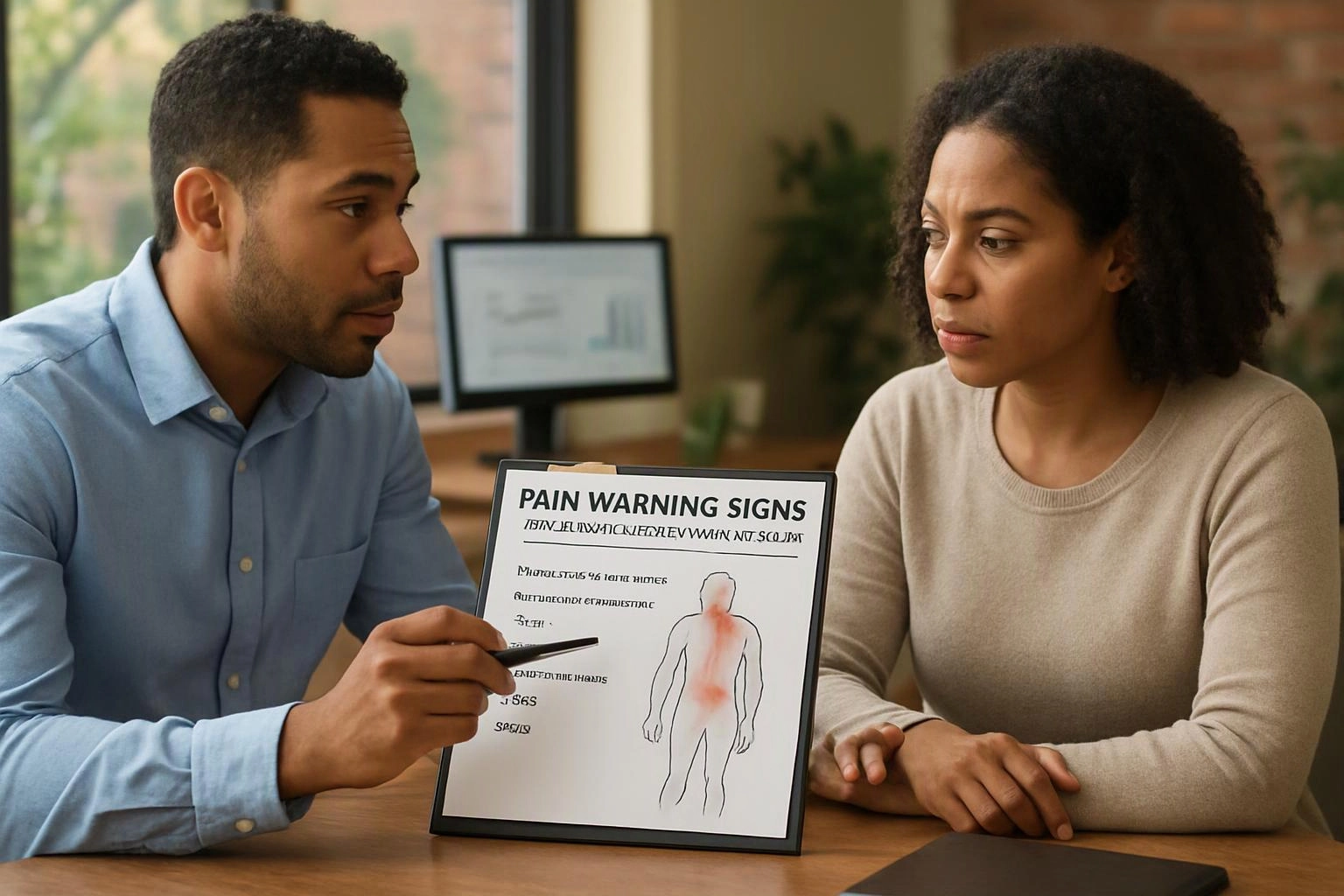
Which Pain Warning Signs Need Urgent Medical Care?
Pain warning signs indicate the need for urgent medical evaluation before chiropractic treatment when severe symptoms, neurological changes, loss of bladder or bowel control, or major trauma are present. Arrowhead Clinic Chiropractor Atlanta helps identify whether back pain, neck pain, or headache symptoms appear appropriate for musculoskeletal care or need medical attention first.
Seek urgent medical care for severe pain with new weakness, numbness that is spreading, difficulty walking, or sudden headache symptoms that feel unusual or extreme. Neck pain after a head injury or major accident also needs prompt medical evaluation.
Red Flags That Should Not Wait
Red flags can signal a serious health concern that needs immediate medical attention. We recommend urgent evaluation when any of these warning signs appear, especially after an accident or other major trauma.
Sudden severe headache, fainting, confusion, vision changes, or symptoms after a head injury also call for urgent medical care. Do not drive yourself if your symptoms could make transportation unsafe.
How Back, Neck, and Headache Symptoms Differ
Back pain, neck pain, and headache symptoms can overlap, but their warning signs often point to different next steps. The table shows symptom patterns that may require urgent medical evaluation before chiropractic assessment.
| Pain concern | Warning signs | Safer next step |
|---|---|---|
| Back pain | Radiating pain with new weakness, numbness, or bladder or bowel changes | Urgent medical evaluation before back pain treatment |
| Neck pain | Pain after a head injury or major trauma, or new arm weakness | Medical assessment before neck pain treatment |
| Headache | Sudden severe headache, confusion, fainting, vision changes, or symptoms after head injury | Urgent medical care through the emergency department when needed |
Symptoms can change after they begin, so monitor new neurological changes closely. Our team uses the symptom pattern and medical clearance to decide whether a chiropractic assessment is appropriate.
What to Do Before You Seek Urgent Medical Care
Before urgent medical care, gather information that helps the medical team understand the symptom onset and possible cause. Do not delay emergency care to collect records or belongings.
Keep movement limited if an injury may involve the neck or spine. Our team can review the information later after urgent medical concerns are addressed.
Why New Weakness or Bladder Changes Need Immediate Attention
New weakness or loss of bladder or bowel control requires urgent medical evaluation because these changes can signal serious nerve or spinal cord involvement. Numbness, tingling, or difficulty walking can also occur with nerve compression and should not be ignored.
The spinal cord and major nerves help control movement, sensation, and bladder and bowel function. We direct these warning signs to urgent medical care before considering chiropractic care.
What to Do During an Urgent Medical Evaluation
An urgent medical evaluation focuses on the symptom timeline, neurological function, and possible causes of the pain. The emergency department may decide whether medical imaging or other testing is needed.
Medical clearance does not mean every pain symptom needs the same treatment. We use the medical findings and your current symptoms to plan the next safe step.
When Chiropractic Assessment Fits After Urgent Concerns Are Addressed
Chiropractic assessment fits after urgent medical concerns are addressed and the symptoms appear appropriate for musculoskeletal care. Musculoskeletal pain can affect the back, neck, joints, and surrounding soft tissues without showing the urgent warning signs described above.
After medical clearance, we can assess whether back pain treatment, neck pain treatment, or headache treatment fits your condition. We follow the medical referral and direct you back to medical care if new warning signs appear.
For ongoing symptoms, our Back Pain Treatment approach begins with an examination and a plan based on your findings.
How Arrowhead Clinic Chiropractor Atlanta Reviews Pain After Medical Clearance
Arrowhead Clinic Chiropractor Atlanta reviews pain after medical clearance by connecting your history with a physical examination. We ask about symptom onset, changes over time, injury history, and any remaining nerve symptoms.
Our team checks range of motion, posture, movement tolerance, and signs that may affect treatment planning. We use these findings to decide whether chiropractic care is suitable and whether a medical referral is needed.
We explain the care plan in plain language and adjust it when your symptoms or examination findings change.
What to Do After Urgent Symptoms Are Evaluated
After urgent symptoms are evaluated, follow the medical instructions and arrange appropriate follow-up care. Our team can help with musculoskeletal concerns after medical risks have been addressed.
New neurological changes always change the next step. We reassess the plan when the symptom pattern no longer matches routine musculoskeletal pain.
How to Request Care When You Are Unsure About the Next Step
Arrowhead Clinic Chiropractor Atlanta can help you sort musculoskeletal concerns from symptoms that need an urgent medical referral. If you have new weakness, loss of bladder or bowel control, severe pain after major trauma, or sudden severe headache symptoms, seek urgent medical care first.
For nonurgent concerns, our Free Consultations help us review your symptoms and explain whether an examination is appropriate. We offer same-day service when available, and we explain upfront pricing before care begins.
Use our contact page to request guidance. We can explain the next step, arrange appropriate care, or direct urgent symptoms to medical evaluation.
Questions About Pain Warning Signs and Urgent Care
Should I seek urgent care for back pain with new weakness?
Yes, back pain with new weakness needs urgent medical evaluation because it can signal serious nerve or spinal cord involvement. Arrowhead Clinic Chiropractor Atlanta recommends medical care first, followed by chiropractic assessment only after urgent concerns are addressed.
Is neck pain after an accident an emergency?
Neck pain after an accident needs urgent medical evaluation when it involves major trauma, severe pain, weakness, numbness, difficulty walking, or symptoms after a head injury. Medical assessment should come before neck pain treatment when these warning signs are present.
Can a sudden headache require emergency medical attention?
Yes, a sudden severe headache can require emergency medical attention, especially when it includes confusion, fainting, vision changes, weakness, or follows a head injury. Seek urgent medical care before headache treatment in that situation.
What should I bring to an urgent medical evaluation after an injury?
Bring medication information, relevant medical history, identification, and details about the injury mechanism if they are easy to access. Do not delay urgent care to collect these items, and arrange safe transportation when symptoms affect movement or awareness.
Can chiropractic care start before a serious cause of pain is ruled out?
No, chiropractic care should not start before serious causes of pain are addressed when red flags are present. Urgent medical evaluation comes first, and chiropractic assessment may follow after medical clearance shows that musculoskeletal care is appropriate.
Written by Dr. Clifton Weldon.